Australia Cannabis Legalization
The Narcotic Drugs Amendment Bill was passed by the Australian Federal Government on 24 February, 2016, to permit the legal cultivation cannabis and manufacture of medicinal cannabis products in Australia. The Amendment Bill essentially allows licensing and permit schemes to be established for the cultivation, production and manufacture of cannabis and cannabis resin for medicinal and scientific purposes. Subsequently, the Narcotic Drugs Regulation 2016, passed in November 2016, added more detail to Australia’s medical cannabis licensing program.
The regulations were amended by the Narcotic Drugs Amendment (Medical Cannabis) Bill 2021, which came into effect on 24 December 2021. This law introduced a single license model for regulating medicinal cannabis cultivation, production and/or manufacture activities.
The export of medicinal cannabis products was legalized in February 2018 through the Narcotic Drugs Amendment (Cannabis) Regulations 2018.
Australia cannabis business operations are regulated by the Office of Drug Control (ODC) and the Therapeutic Goods Administration (TGA) with individual states and territories having their own rules about who can prescribe it and which patients can access it.
There are two ways medicinal cannabis can be accessed by patients in Australia: through the Special Access Scheme (SAS) and the Authorized Prescriber (AP) pathway.
What Cannabis Products are Legal in Australia
Medical cannabis can be sold legally in various forms in Australia, including edibles, flowers, topicals and those intended to be consumed through inhalation.
2. Decide the type of cannabis business. Choose a location. Check local zoning regulations.
Cannabis License and Permit Types in Australia
In Australia, there are two steps that must be completed to be able to perform an activity related to medical cannabis:
- Obtain a relevant license.
- Obtain a relevant permit. The permits strictly outline the type (and quantity) of cannabis that can be cultivated, produced, manufactured, imported or exported.
Licenses | Relevant Permits |
| Medicinal Cannabis License This license allows to perform one or more of these activities for medicinal or scientific purposes:
Single license application fee: $13,560 Annual charge after obtaining a license: $27,830 License period: no expiration date (unless an expiration date is specified on a particular license) | Cultivation and Production Permit This permit allows to cultivate or produce cannabis on specific licensed premises. Initial application fee: $12,110 |
| Manufacture Permit This permit allows to manufacture a cannabis drug on specific licensed premises. Initial application fee: $8,000 | |
| License to import narcotic and psychotropic drugs and precursor substances This license allows to import medicinal cannabis into Australia. License period: 12 months | Permit to import narcotic and psychotropic substances This permit is required for each shipment of medicinal cannabis into Australia. License period: expiration date is stated on each individual permit. |
| License or permit to import SAS and AP only This license and permit allows to import medicinal cannabis for the SAS and AP schemes only. License period: expiration date is stated on each individual permit. | |
| License to export narcotic and psychotropic drugs and precursor substances This license allows to export commercial quantities of cannabis from Australia for medicinal or research purposes. | Permit to export narcotic and psychotropic substances This permit is required for each shipment of medicinal cannabis products. License period: expiration date is stated on each individual permit. |
Note: Prices are in Australian dollars.
3. Develop a solid cannabis business plan. Secure financing.
4. Prepare required documents and obtain the required licenses and permits.
Cultivation, production and manufacture
Licensing process:
- Submit a complete application to the ODC along with the required information. The applicant must also pay the required fee.
- The ODC will then examine the application which can take around 9 months. The applicant will be notified if their application has been approved or denied.
- Once the applicant receives the license, they must apply for a relevant permit.
- The licensee can apply for a permit by completing an application form for a cultivation and production permit or a manufacture permit, and emailing it to the ODC. The application must contain all the required information and the relevant application fee.
- The ODC will notify the licensee whether their application has been approved or denied, and if approved, a copy of the permit will be provided to the licensee.
The ODC also has provided guides for individual applicants and business entity applicants on how to apply for a medicinal cannabis license.
Information required to be provided with the application for a license:
- Details of the applicant such as their name, date of birth, telephone contact number and email address.
- The activities that the applicant wishes to undertake.
- Information that provides evidence of the applicant being a “fit and proper person”.
- Site and security details including:
- Detailed floor plans
- Satellite images with a security overlay of the proposed site
- Details of authorized persons
- Security policy or the standard operating procedure
- State or territory licenses or authorizations
- Proof that the applicant has a sound and stable financial background and that required funds will likely be provided to them.
- Proof that the applicant has agreements with manufacturers that are willing to take the raw cannabis crop and turn it into medical cannabis products.
- Additionally, there are strict regulations around how much security the crop will require – while it’s growing, being transported, and even analysed.
Information required to be provided with the applicant for a permit:
- Name of the applicant.
- License number of the applicant’s medical cannabis license.
- Proposed activities to be authorized by the license in accordance with the permit.
- The period for which the permit will be valid.
The Narcotic Drugs Regulations 2016 goes into greater detail about the information and documents that have to be provided and is essential reading for anyone who is considering applying for a licence or a permit.
Import of medical cannabis
Before any medical cannabis is imported into Australia, an import license and permit from the ODC must be obtained. On the application for an import license, the applicant must state the purpose of the import:
- Authorized Prescriber Scheme
- Special Access Scheme
- Clinical Trials
- Animal Studies
- Laboratory or analytical testing
- Cultivation under an ODC Medicinal Cannabis Permit
With the application for an import license, the applicant must specify the products they wish to import and their quantities.
Export of medical cannabis
Only the following medicinal cannabis products can be exported:
- Medicinal cannabis products manufactured in Australia under a GMP License.
- Medicinal cannabis products listed as export-only or registered in the Australian Register of Therapeutic Goods (ARTG).
- Extracts of cannabis or cannabis resin manufactured under a Narcotic Drugs Act 1967 License that are not in final dosage form.
Cannabis (in flower form for example) or cannabis resin cannot be exported.
Application process:
- Enter finished medicinal cannabis products in the ARTG by registering them or listing them as export-only.
- Obtain an ODC export license and an ODC export permit.
Details on how to perform these steps can be found in the following guide.
To obtain an ODC export license, the applicant must:
- Demonstrate evidence that necessary steps have been taken to ensure adequate supply of medicinal cannabis to Australian patients.
- Hold a state or territory license that allows possession, supply and wholesale of medicinal cannabis.
Additional requirements for sponsors
Any individual or business entity in Australia or an importer that provides a medicinal cannabis product to a treating medical practitioner or pharmacist is a ‘sponsor’ of the product.
Generally, sponsors must apply to the TGA to register their medical cannabis product on the ARTG. However, the Special Access Scheme and the Authorized Prescriber Scheme allows the supply of ‘unapproved’ therapeutic goods directly to a specific patient. Through these schemes, the registration of the medical cannabis product on the ARTG is not required.
Sponsors must ensure that:
- They comply with the Australian code of GMP (Good Manufacturing Practice).
- Their manufactured medical cannabis products comply with the Therapeutic Goods (Standard for Medicinal Cannabis) (TGO 93) Order 2017.
- If they supply medicinal cannabis products through the SAS and AP schemes, six-monthly supply reports are submitted to the TGA including the product details and quantities supplied in Australia for the relevant period.
5. Keep track of your ongoing compliance requirements.
Cannabis Delivery in Australia
In Australia, medicinal cannabis products can only be accessed if the patient has a prescription from a registered doctor. There appears to be no ban on delivery of medicinal cannabis to patients who have a prescription from a registered doctor.
Cannabis Products Advertising in Australia
Advertising of medical cannabis products in Australia is illegal.
Tax on Cannabis in Australia
The goods and services tax (GST) of 10% applies on sale of medical cannabis in Australia. There is no additional tax charged on medical cannabis.
How to Start a Cannabis Business in Australia? Infographics.
How Can Cannabusinessplans Templates Help Start or Grow Your Cannabis Business?
The majority of cannabis licensing programs require the submission of a business plan as part of the application for a cannabis license. Even if it is not mandated by law, a business plan is essential for securing funding and assisting an applicant in understanding how much money it will take to start a cannabis business and how much profit it could make.
A well-structured business plan can make all the difference in helping you demonstrate your proposed cannabis business’ compliance with regulations and its operational viability.
Our complete cannabis business plan template package is everything you need to create a professional business plan for a cannabis business with expert financials and projections. A complete cannabis business plan template package includes:
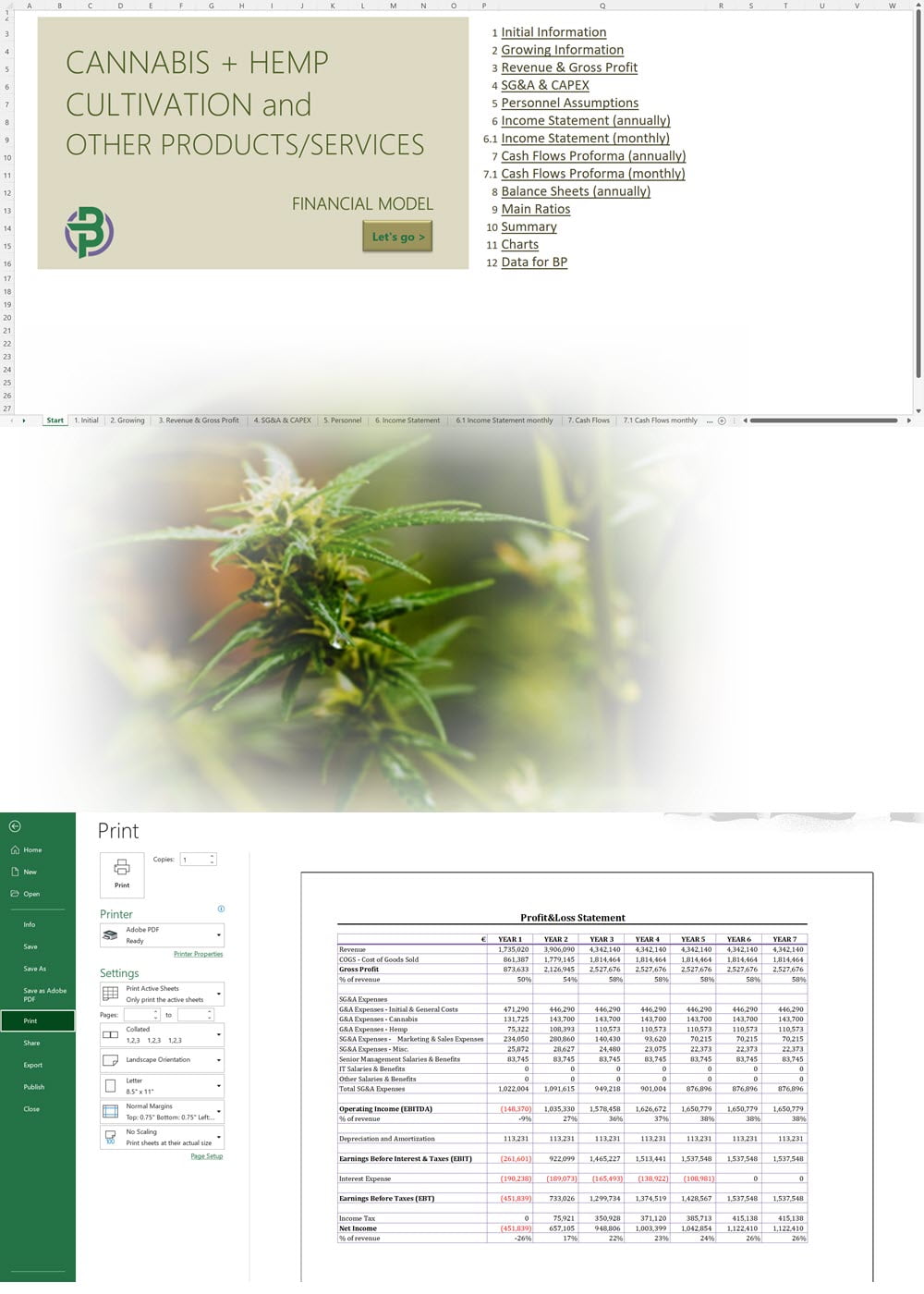
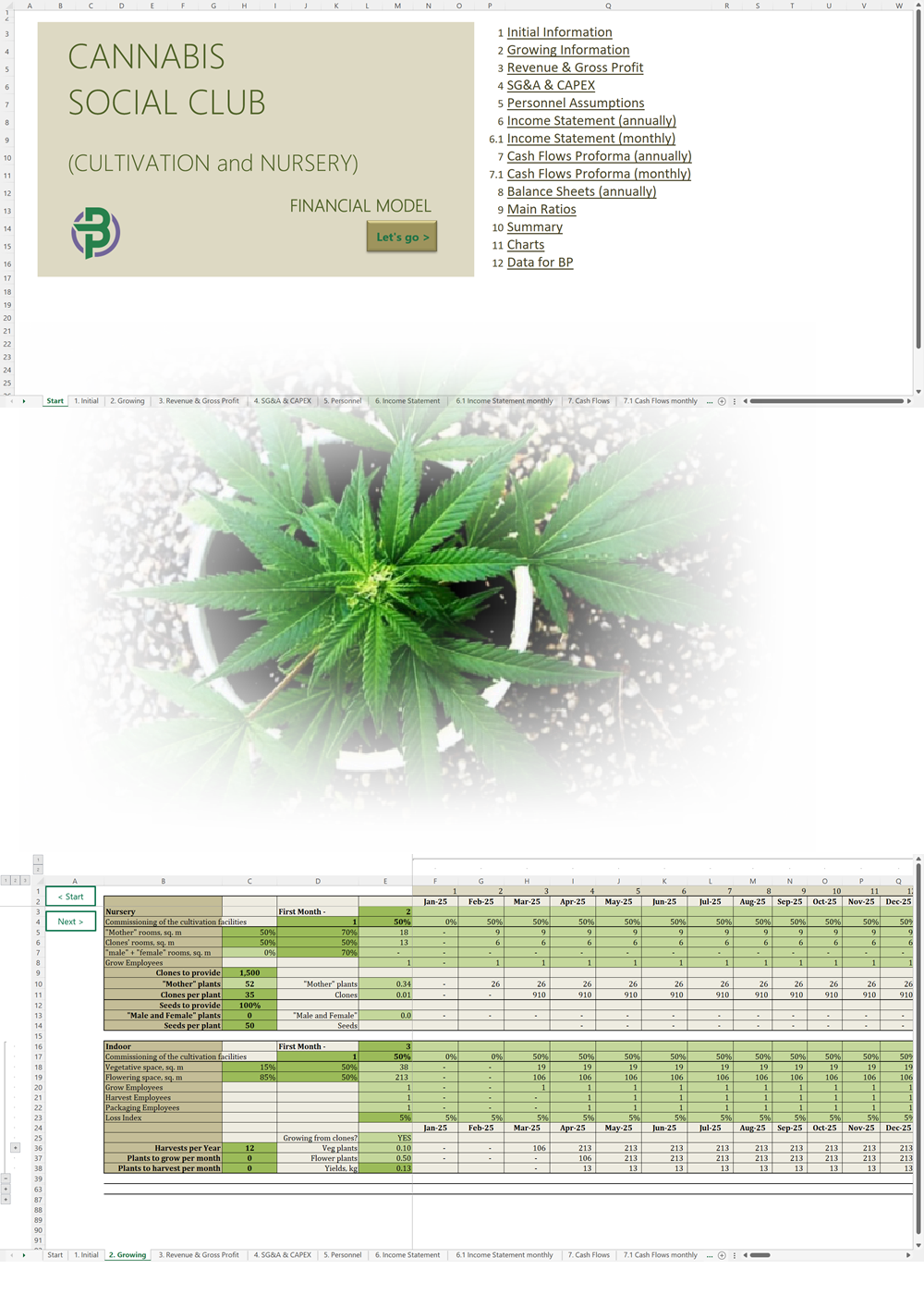
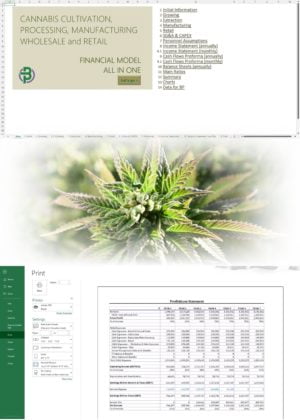
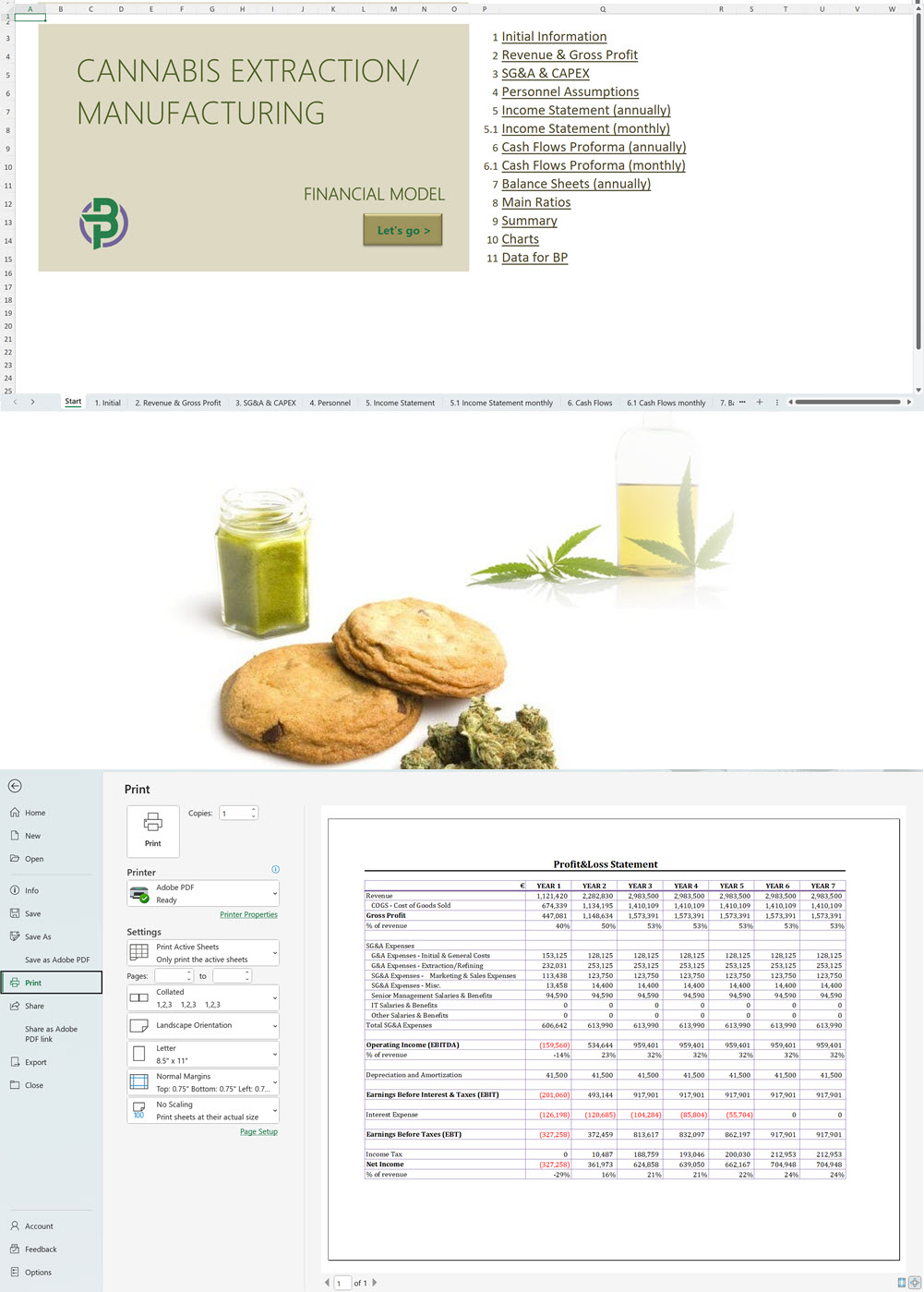
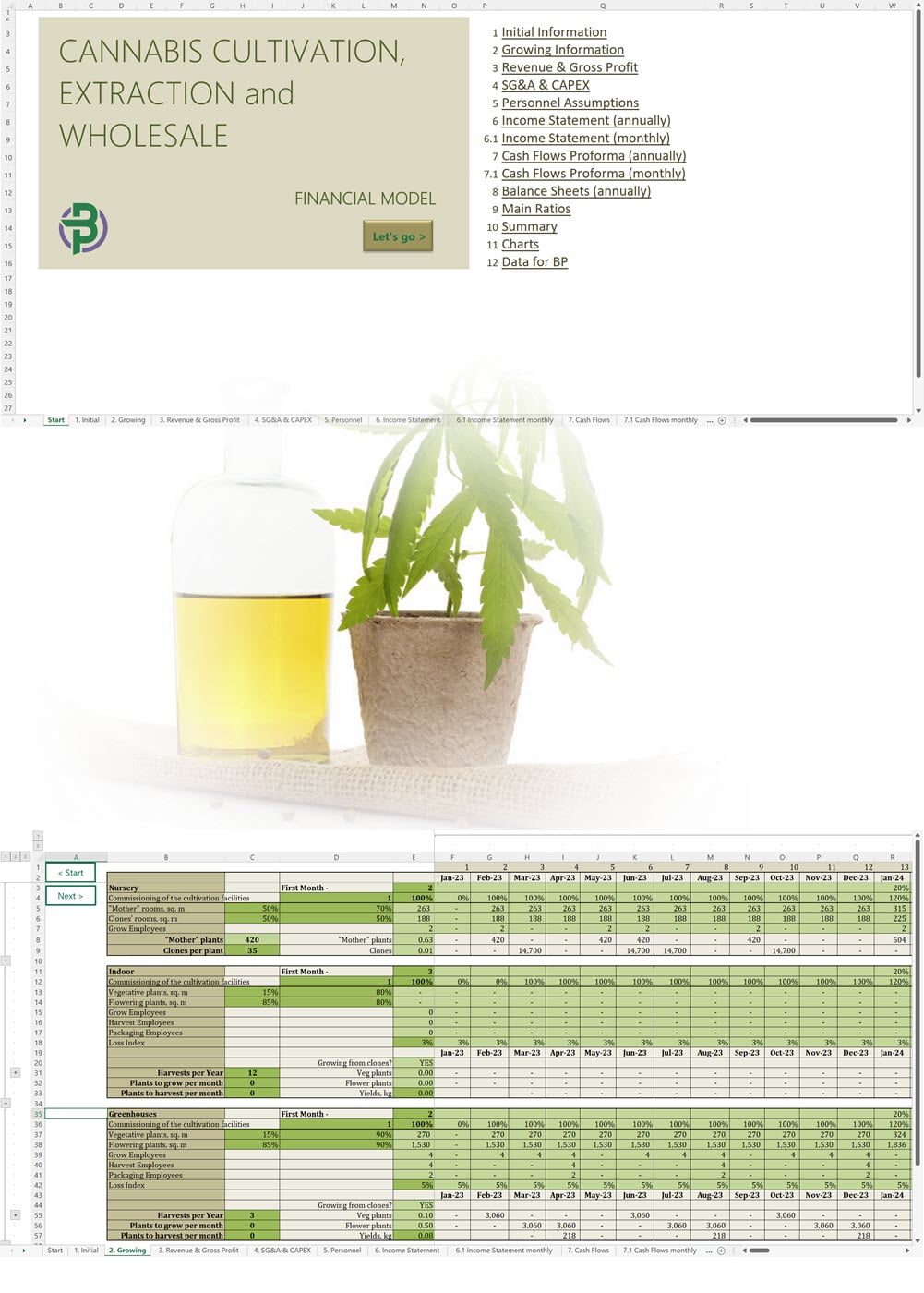
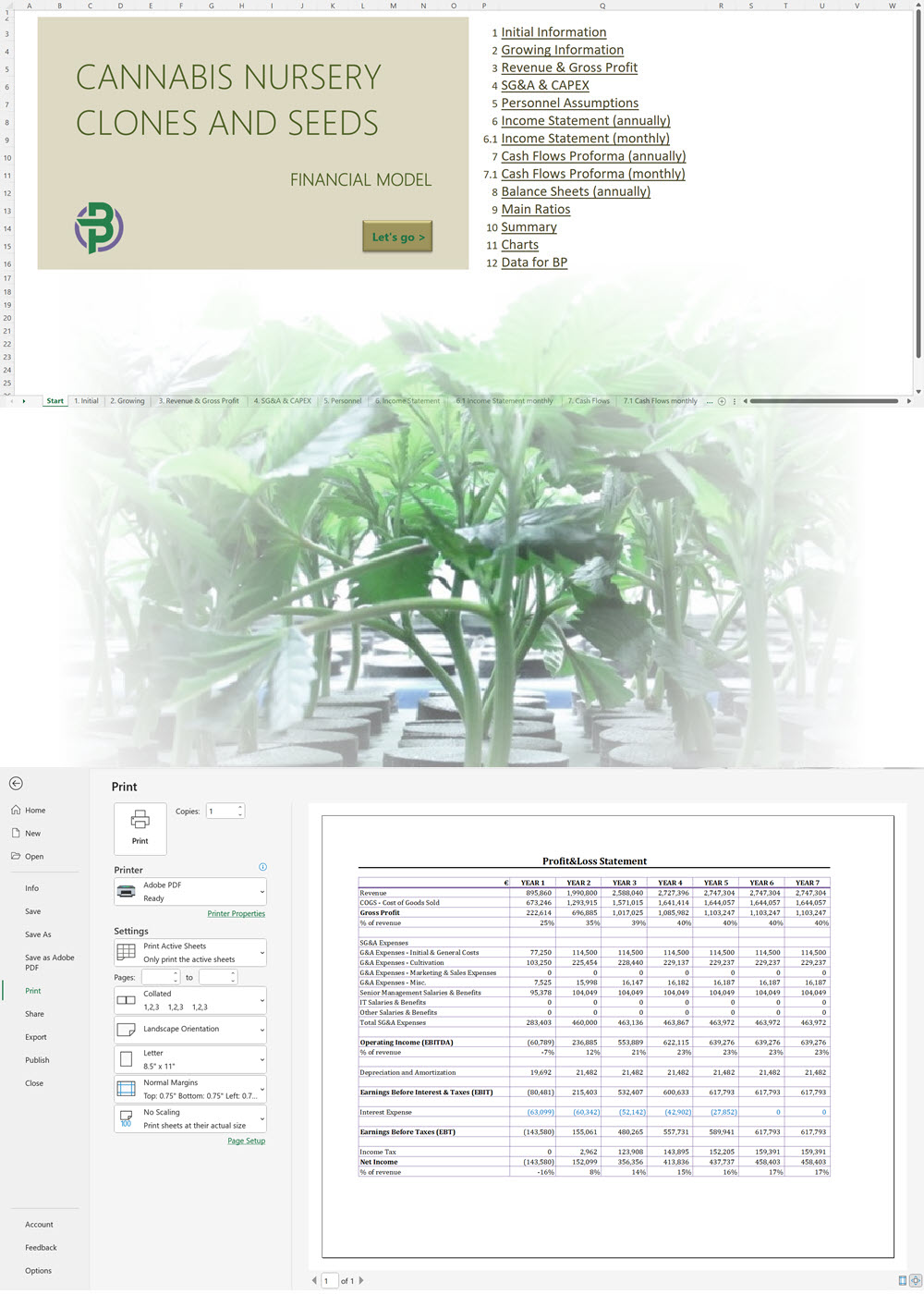
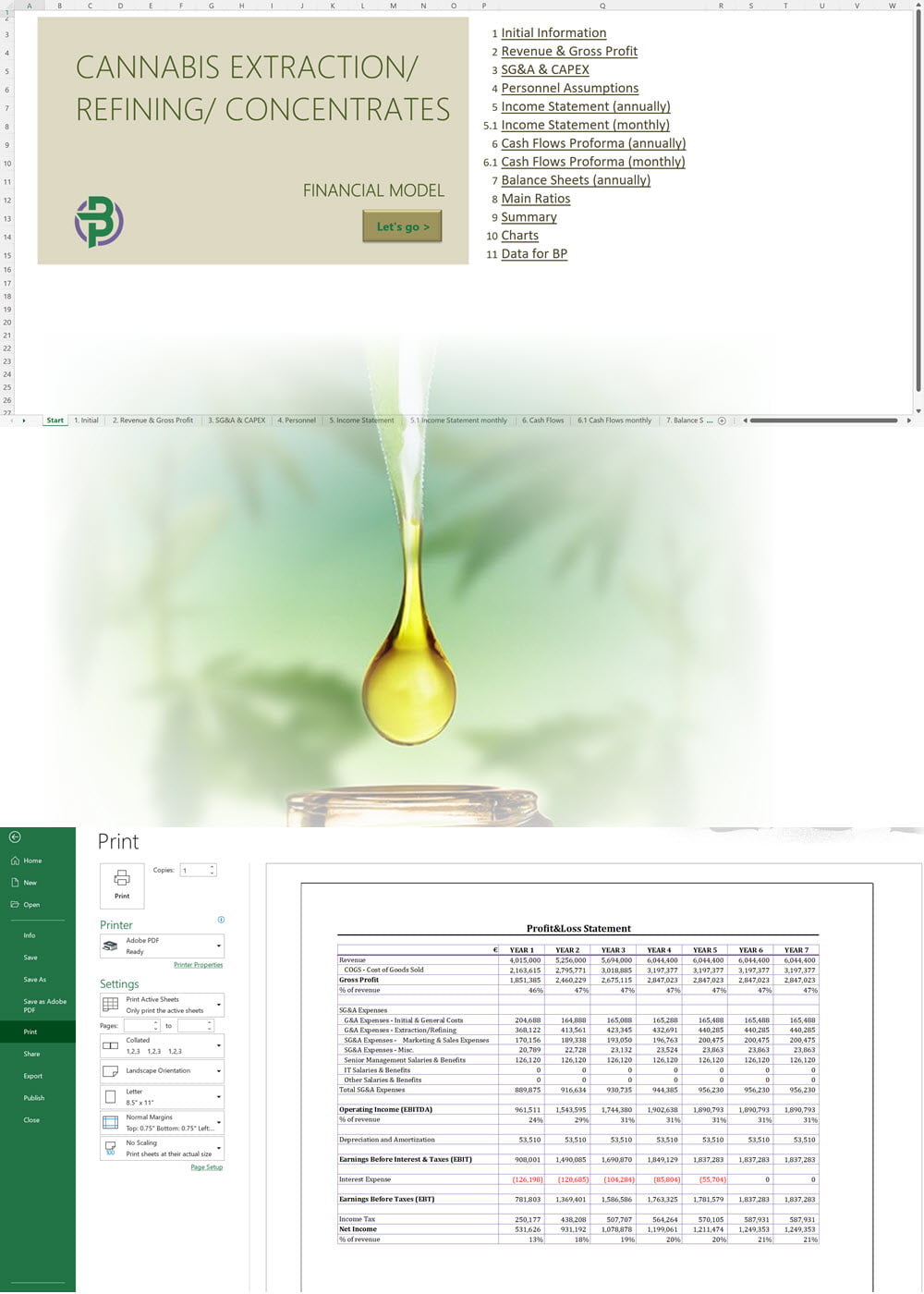
- Excel Financial Model: change variables and immediately see the impact, break down operational and capital costs, know how much it will take to get into the business and the potential profits.
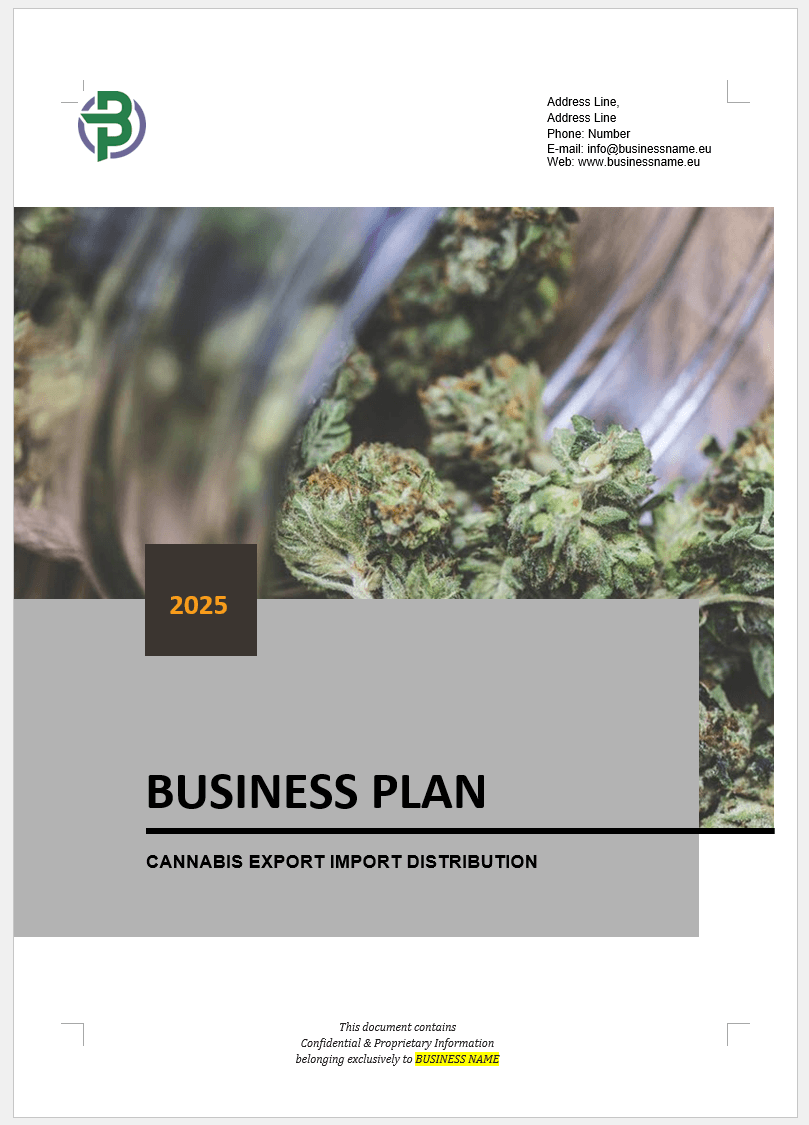
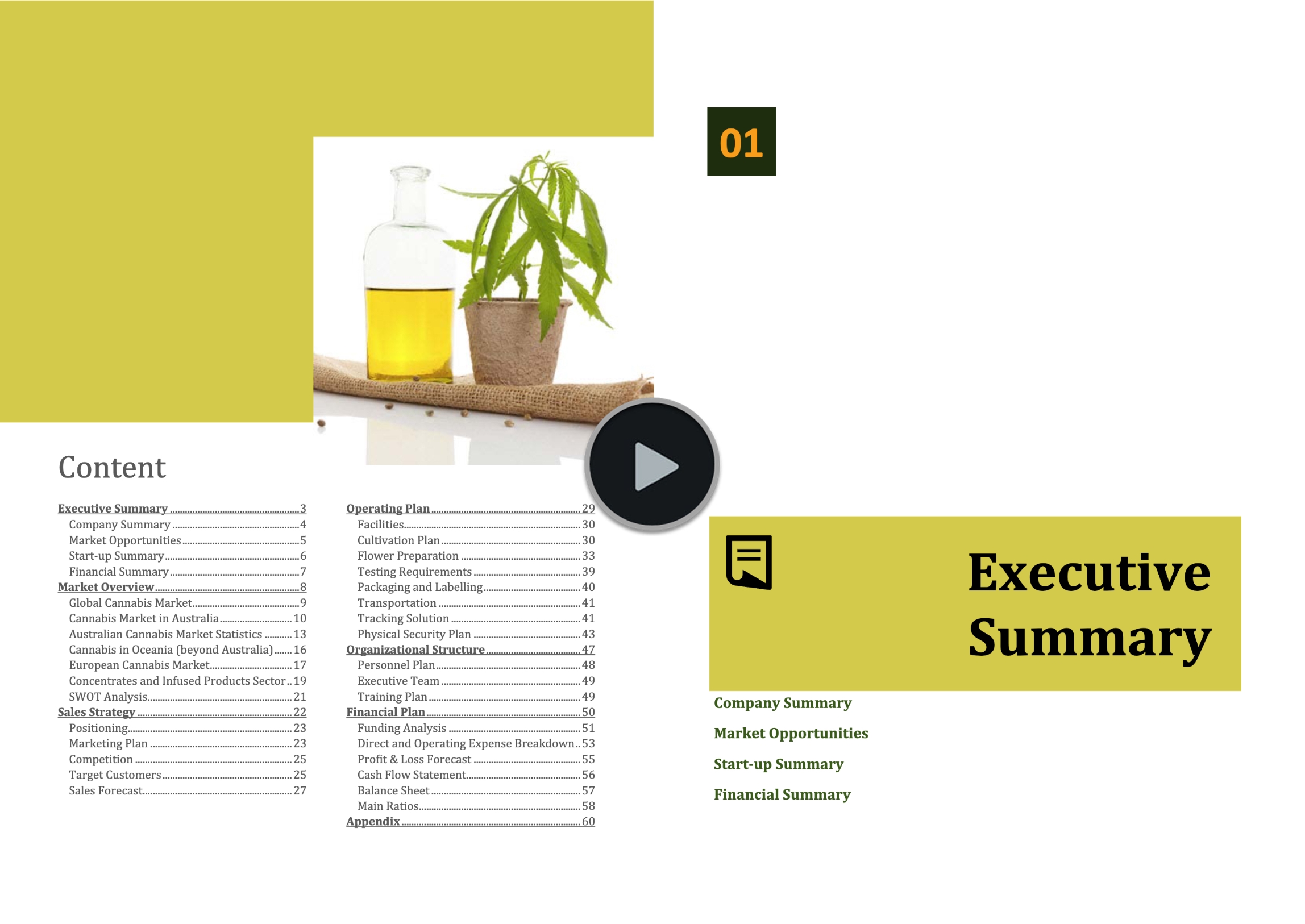
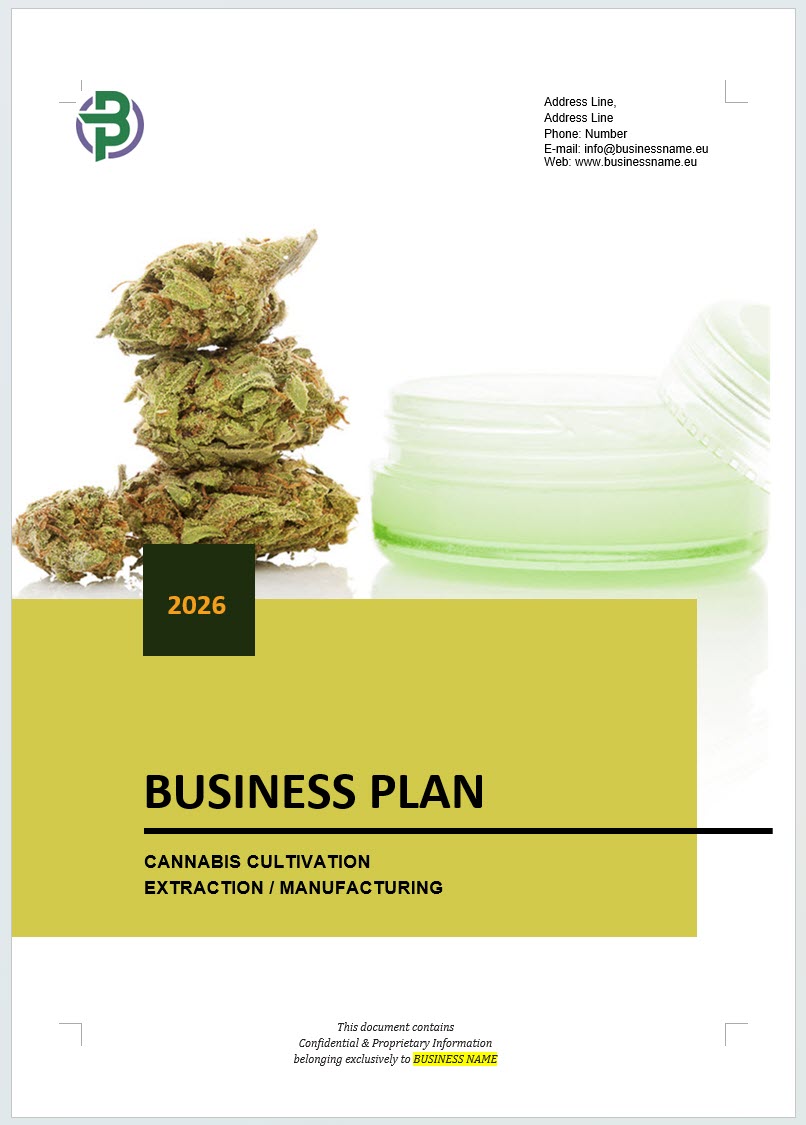
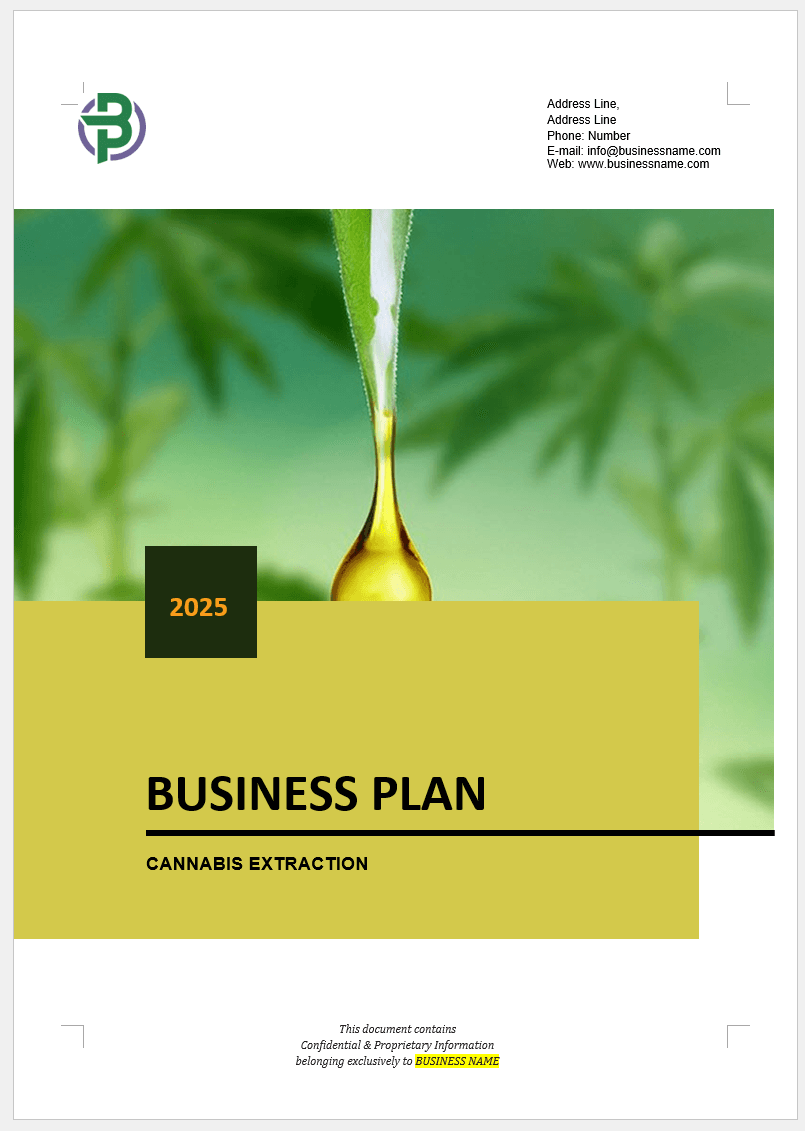
- Word Business Plan: value proposition, market analysis, marketing strategy, operating plan, organizational structure, financial plan and more.
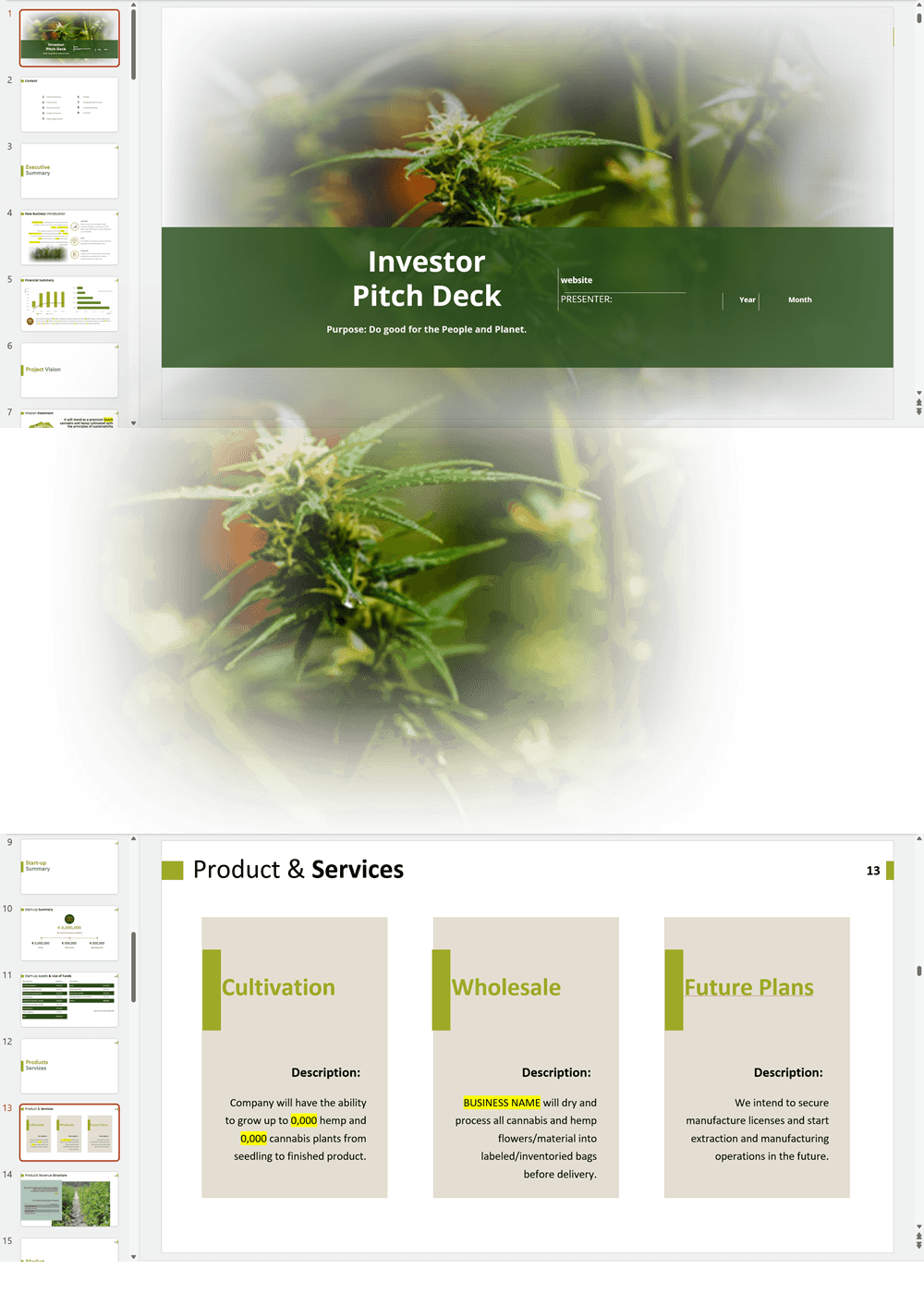
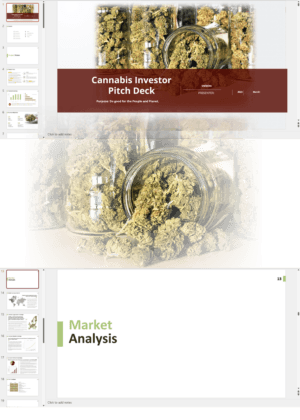
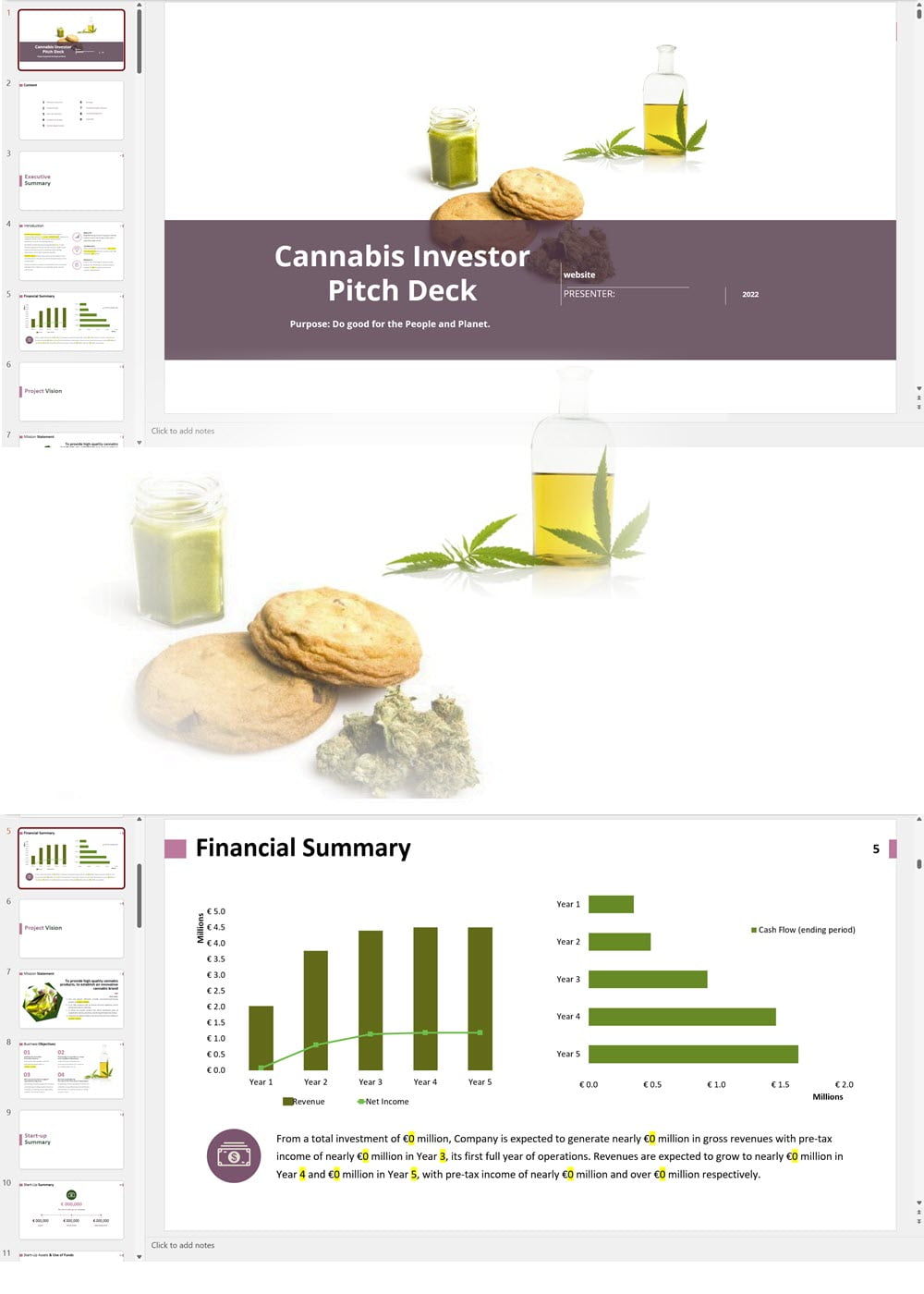
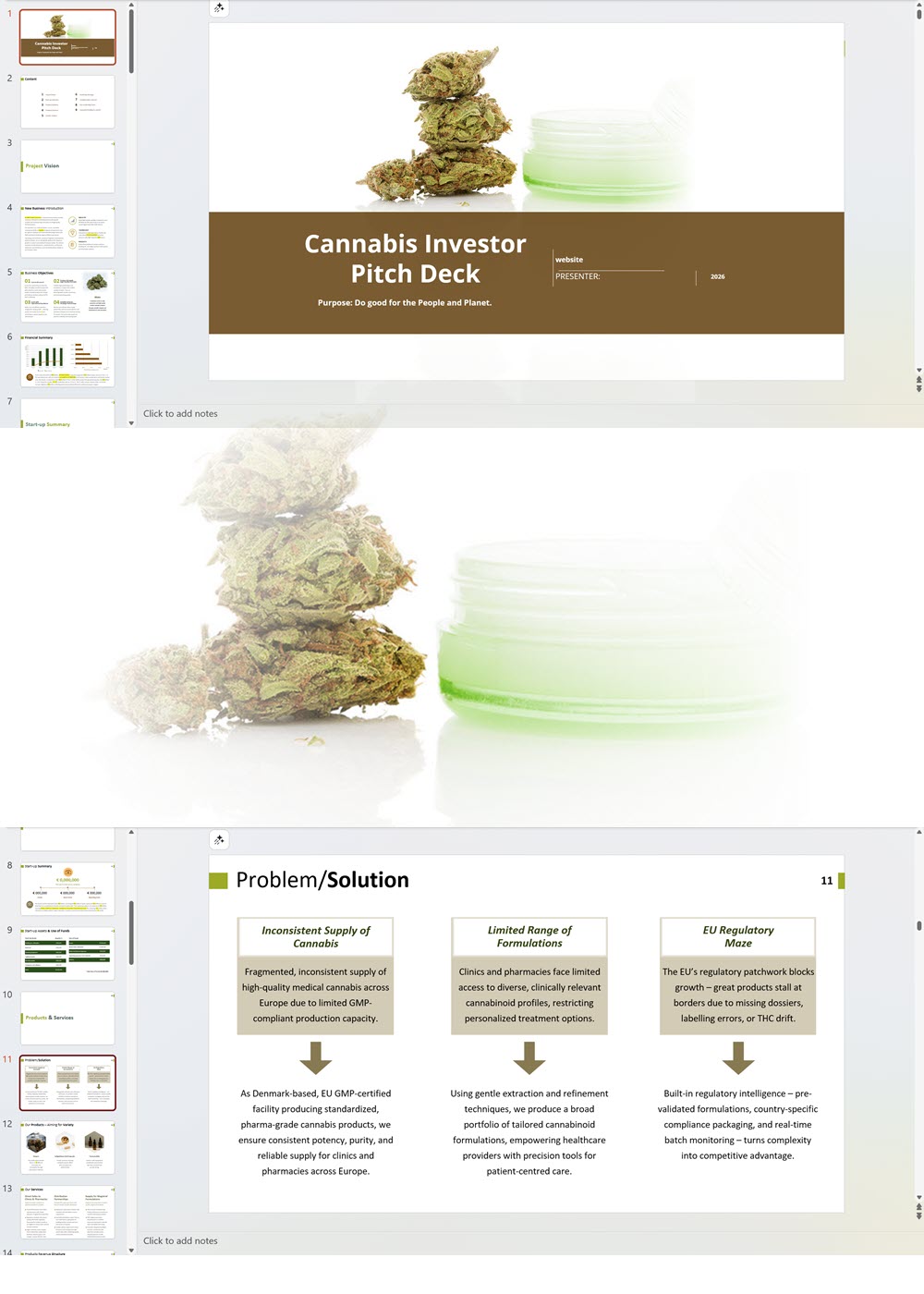
- PowerPoint Pitch Deck: provide a quick overview of your cannabis business plan.
'70% ready to go' business plan templates
Our cannabis financial models and cannabis business plan templates will help you estimate how much it costs to start and operate your own cannabis business, to build all revenue and cost line-items monthly over a flexible seven year period, and then summarize the monthly results into quarters and years for an easy view into the various time periods. We also offer investor pitch deck templates.
Cannabis Cultivation and Extraction Business Plan Sample, Australia
Best Selling Templates
-

Cannabis Cultivation Business Plan Template
Price range: €75 through €350 Select options This product has multiple variants. The options may be chosen on the product page -

Cannabis Dispensary Investor Pitch Deck Template
€75 Select options This product has multiple variants. The options may be chosen on the product page -
Cannabis Financial Model All in One
€250 Select options This product has multiple variants. The options may be chosen on the product page

We also offer hemp CBD business plan templates at hempcbdbusinessplans.com.
Our Templates
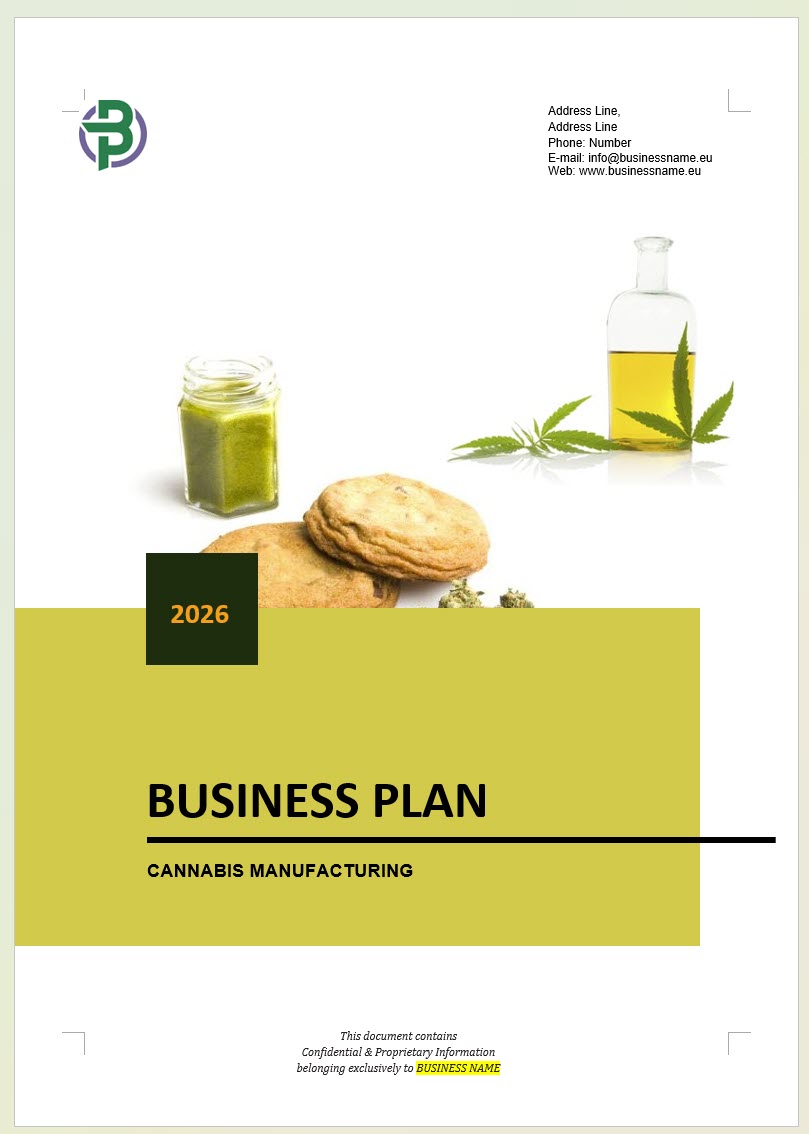
Cannabis Manufacturing Business Plan Template (in-house processing)
Price range: €70 through €250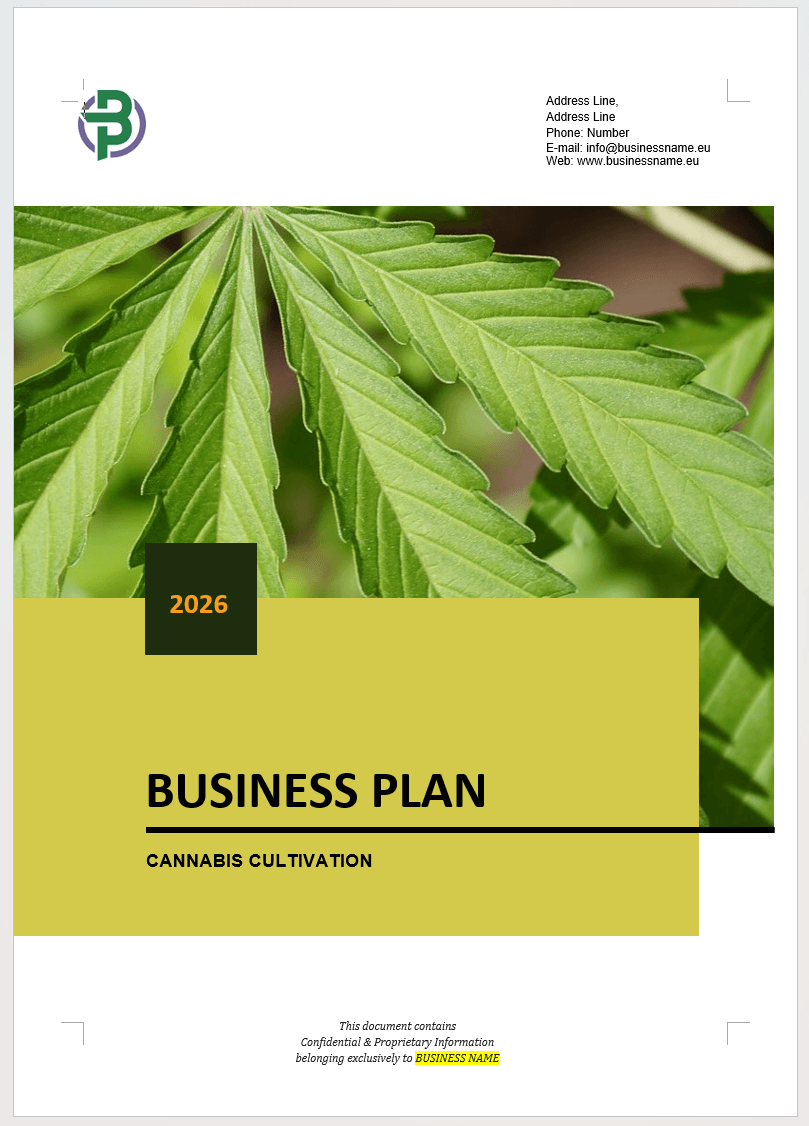
Cannabis Cultivation Business Plan Template
Price range: €75 through €350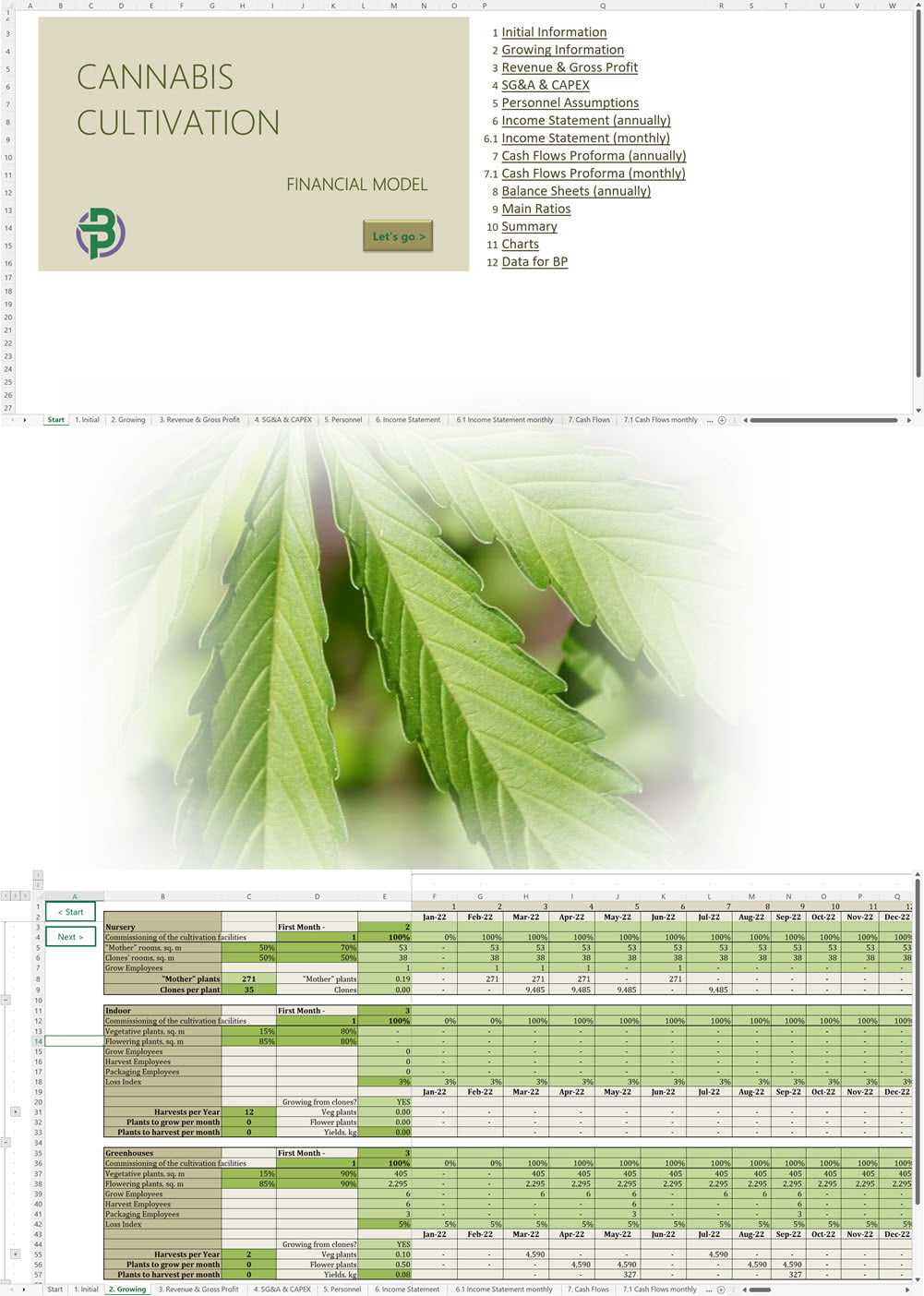
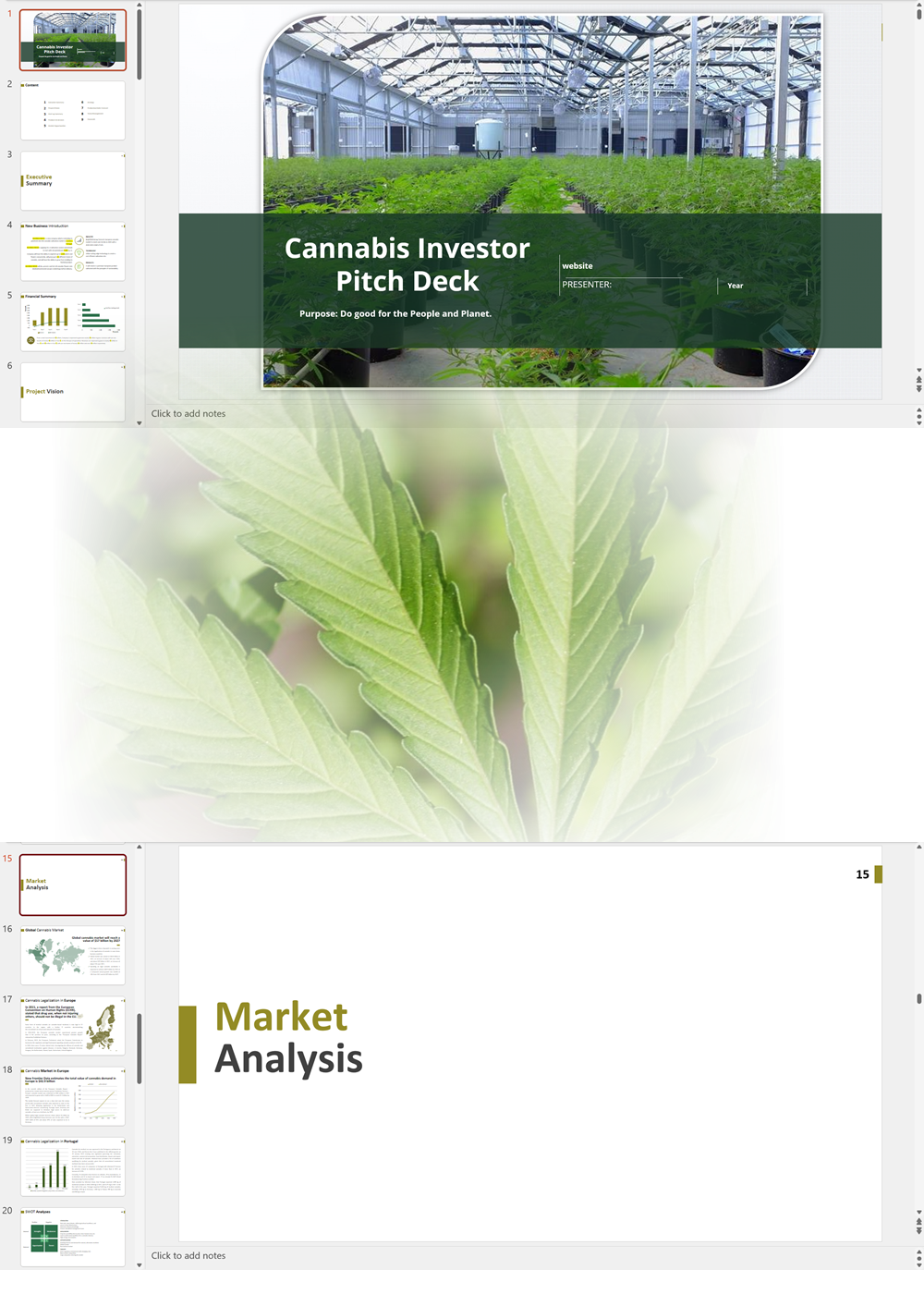
Cannabis Cultivation + Extraction + Manufacturing Business Plan Template
Price range: €70 through €385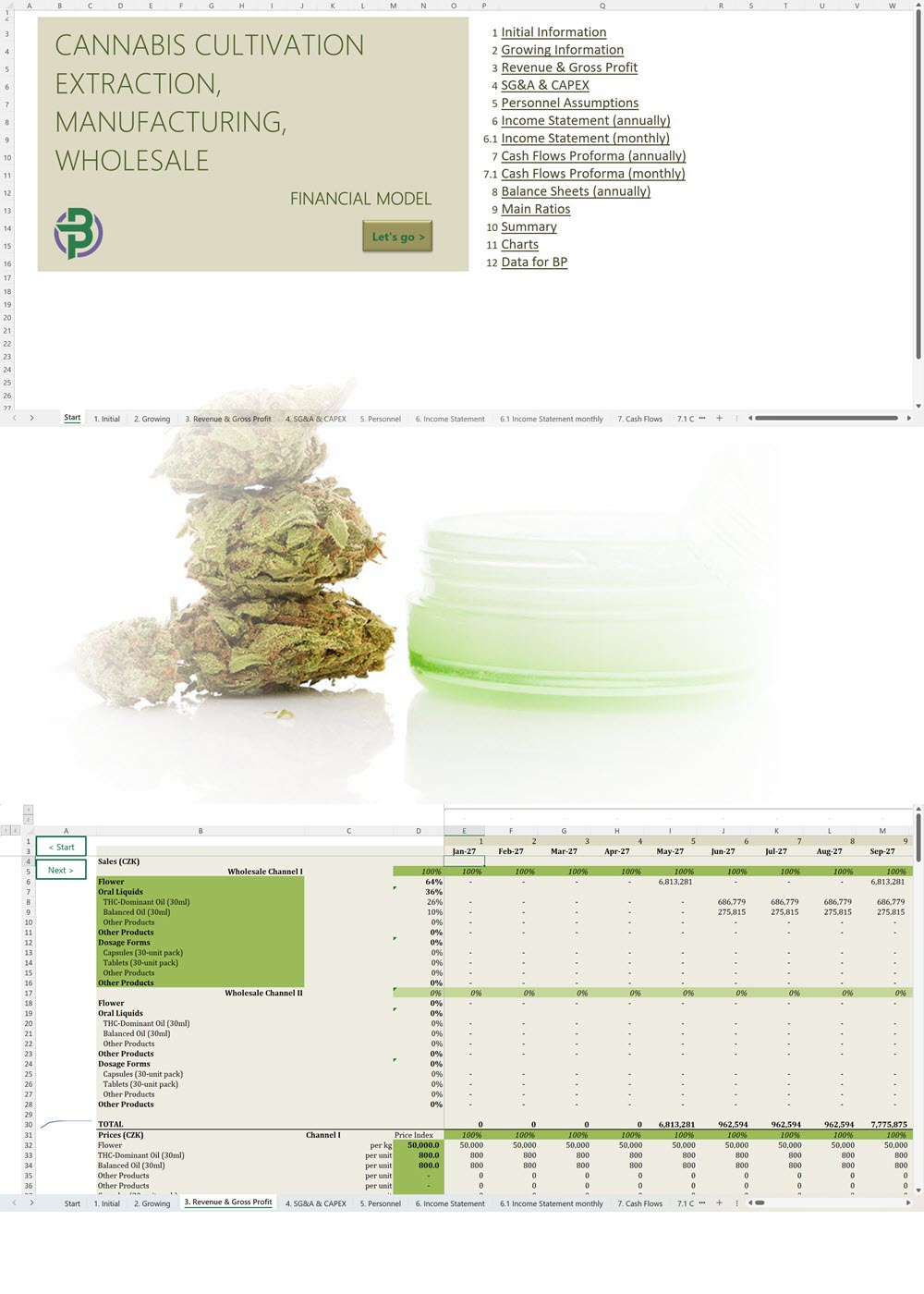
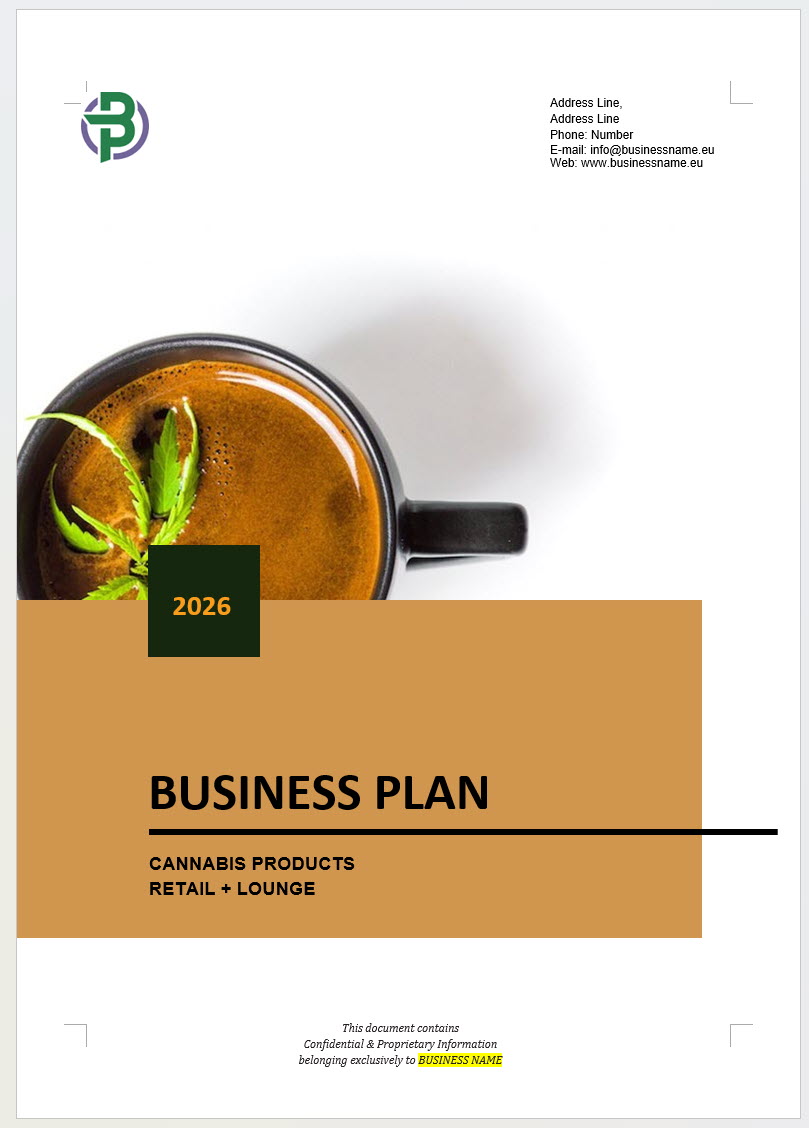
Cannabis Lounge + Retail Business Plan Template
Price range: €75 through €350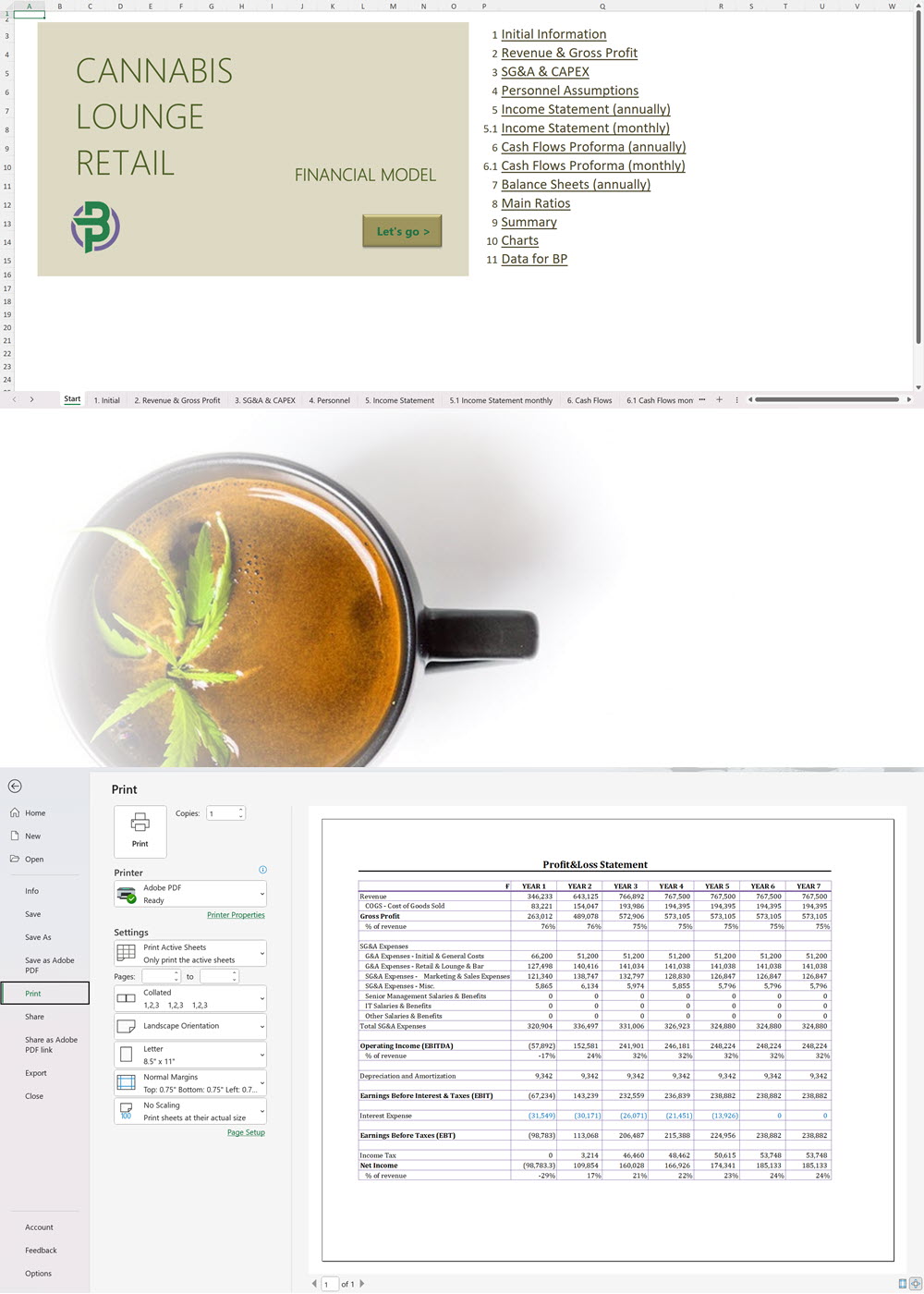
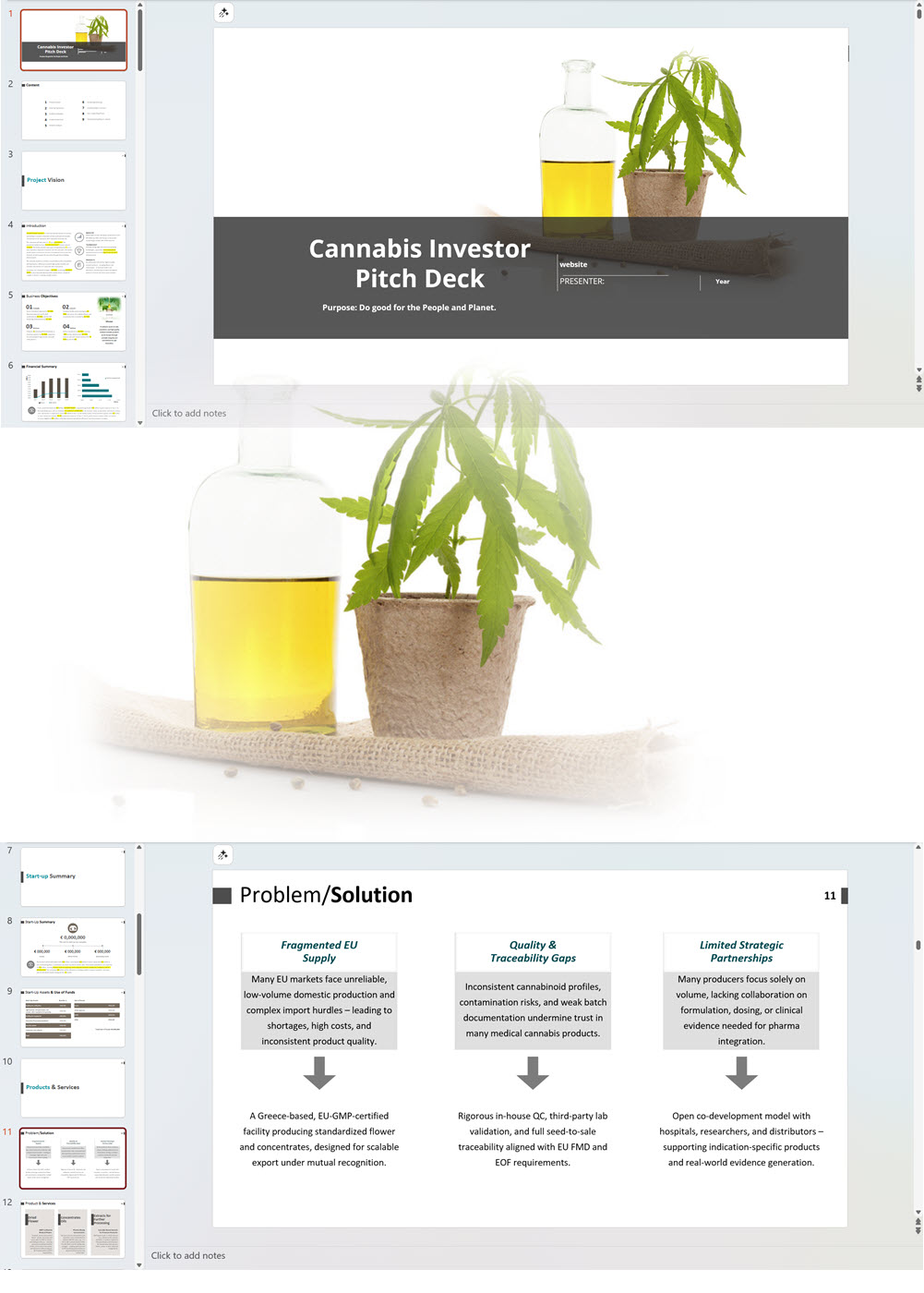
Cannabis Cultivation and Extraction / Concentrates Business Plan Template
Price range: €75 through €450
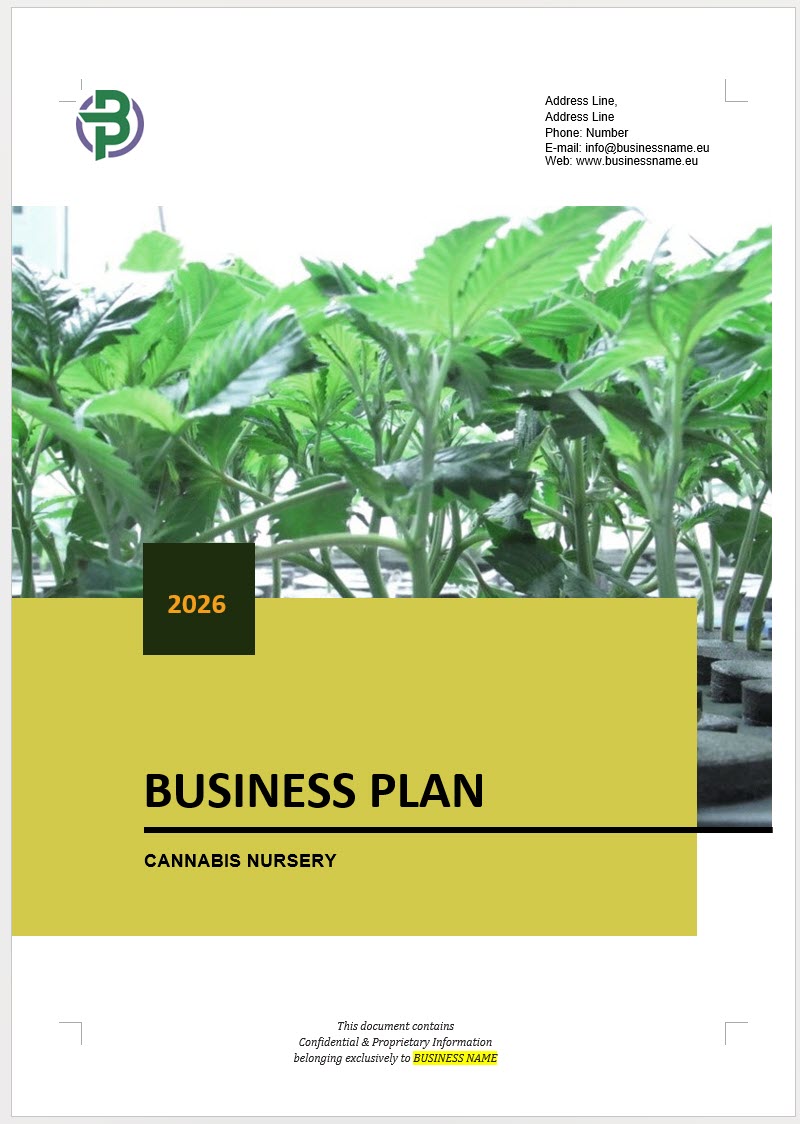
Cannabis Clones/Seeds Nursery Business Plan Template
Price range: €75 through €350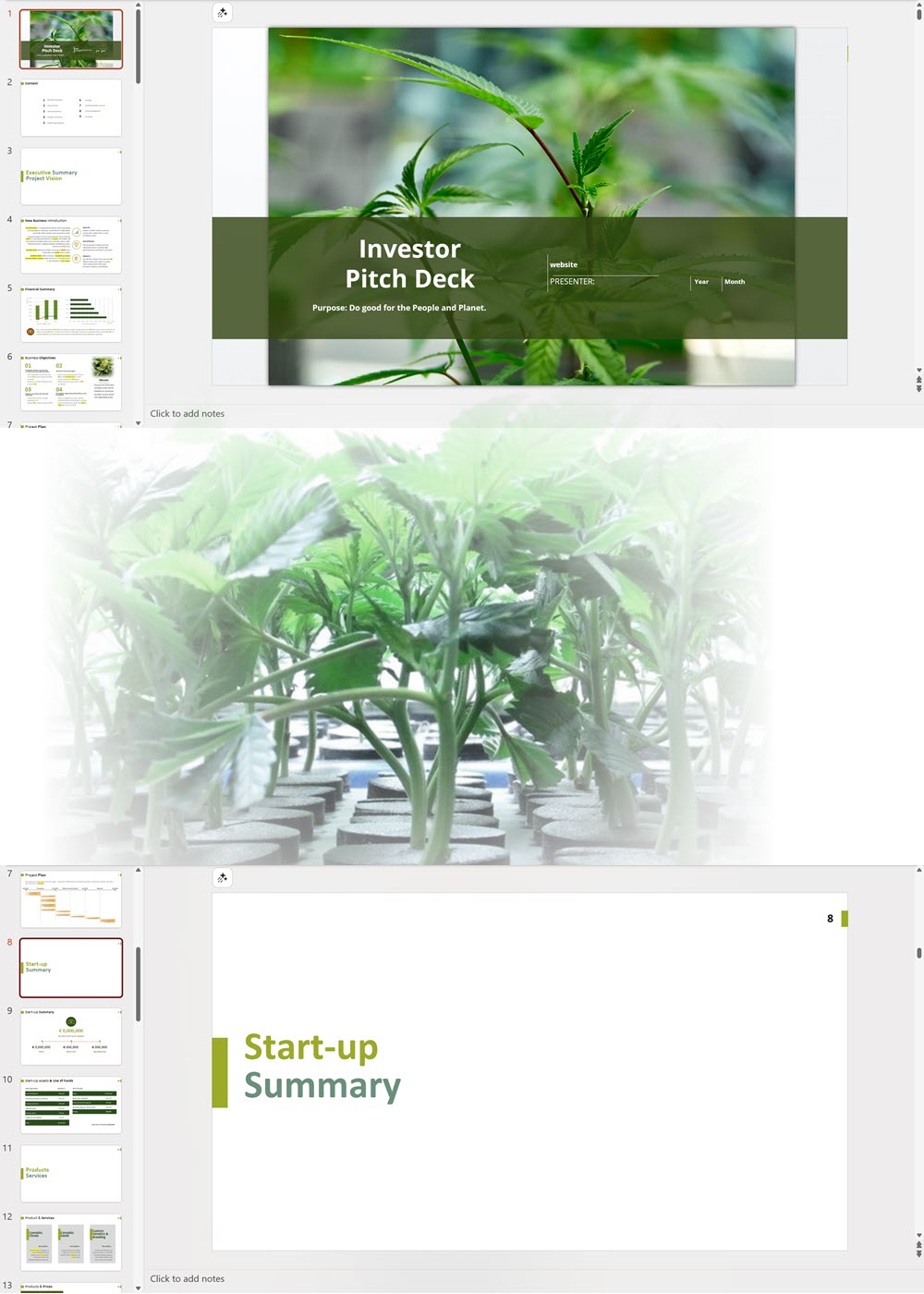
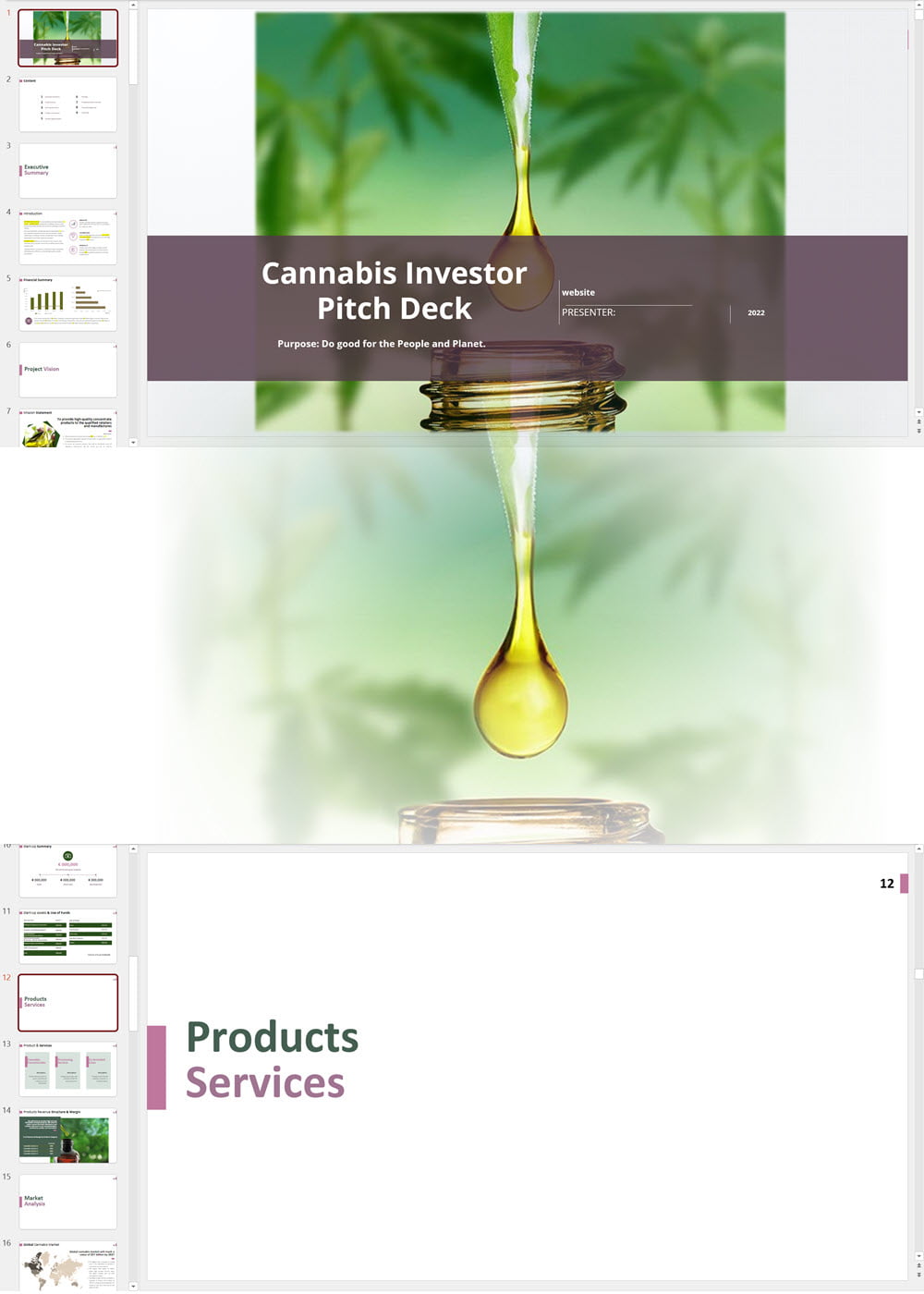
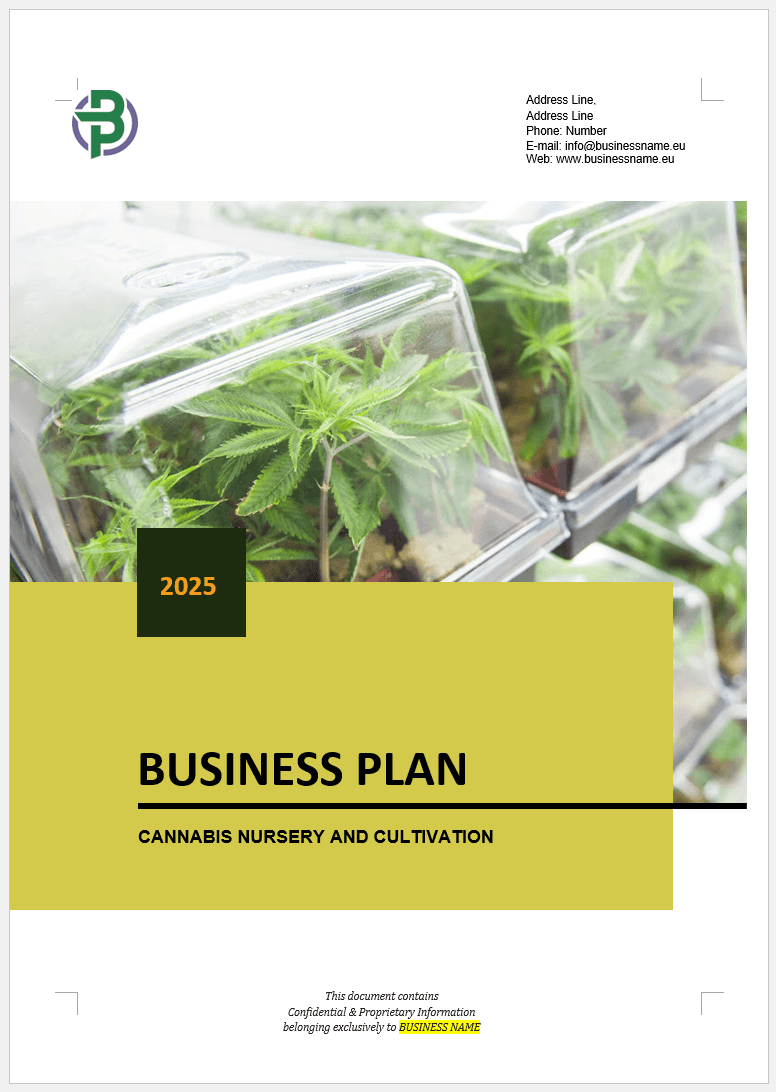
Cannabis Cultivation + Nursery Business Plan Template
Price range: €75 through €350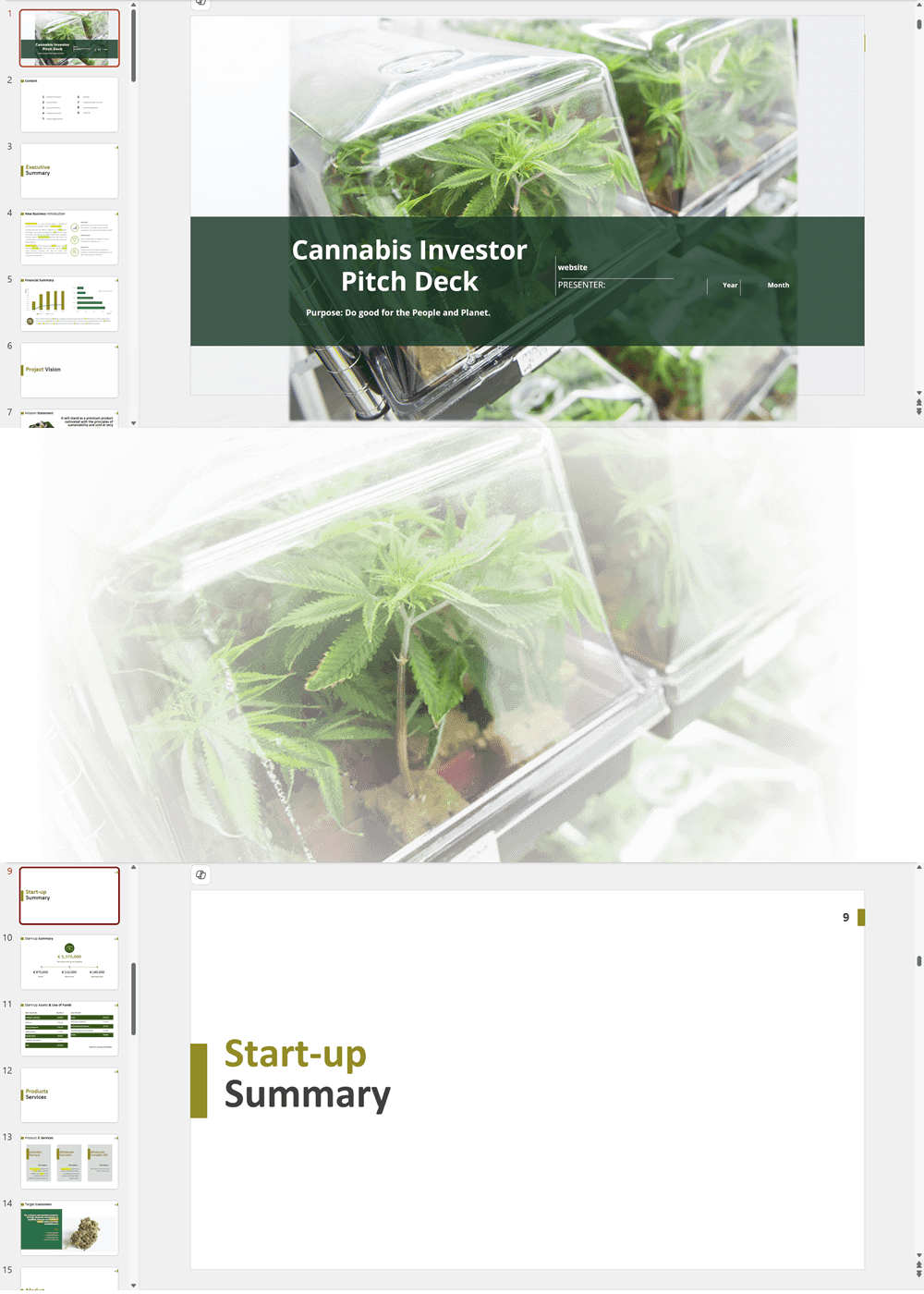
Cannabis Extraction/Concentrates Business Plan Template
Price range: €75 through €350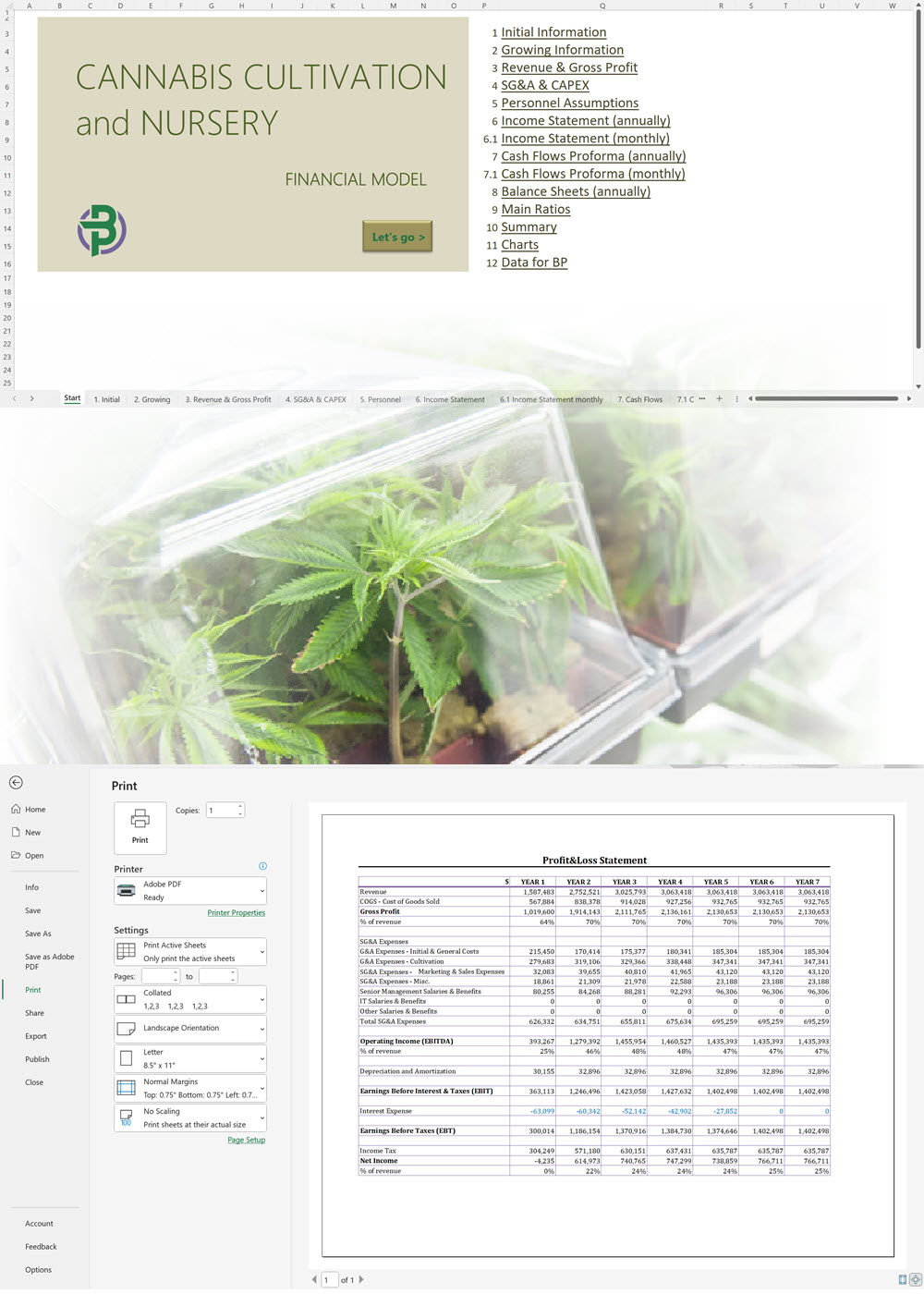
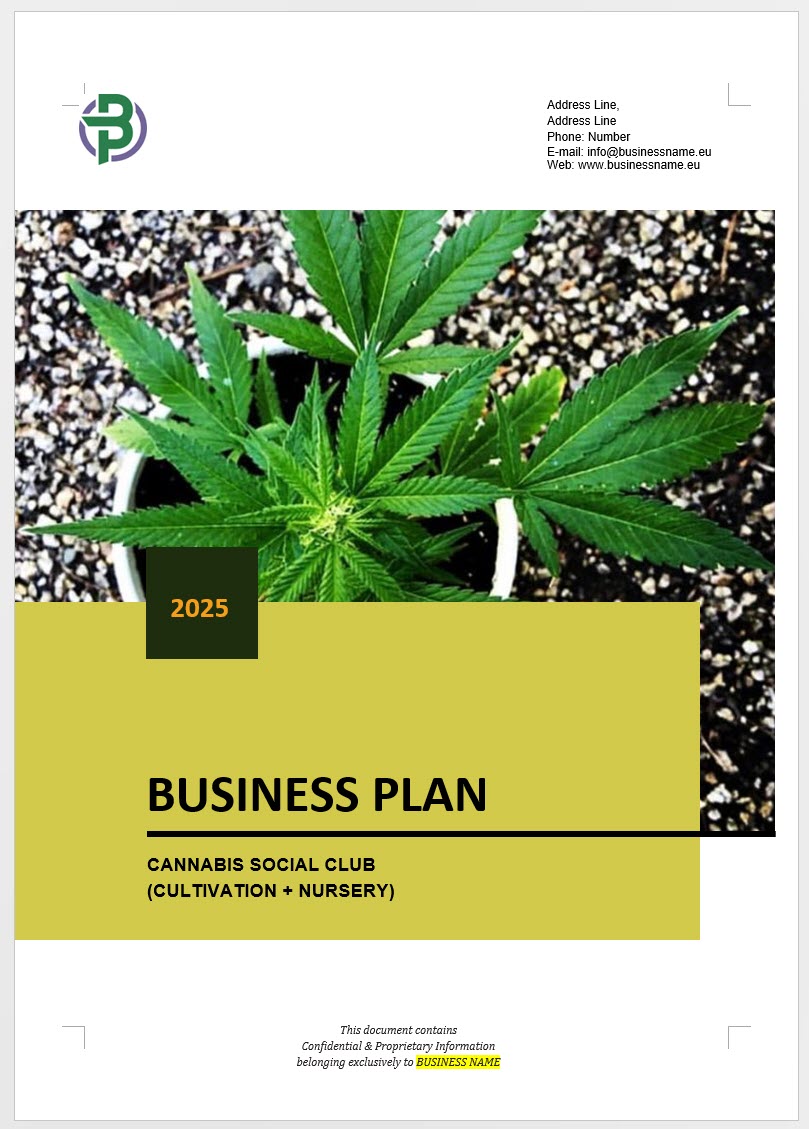
Cannabis Social Club (Cultivation + Nursery) Business Plan Template
Price range: €75 through €350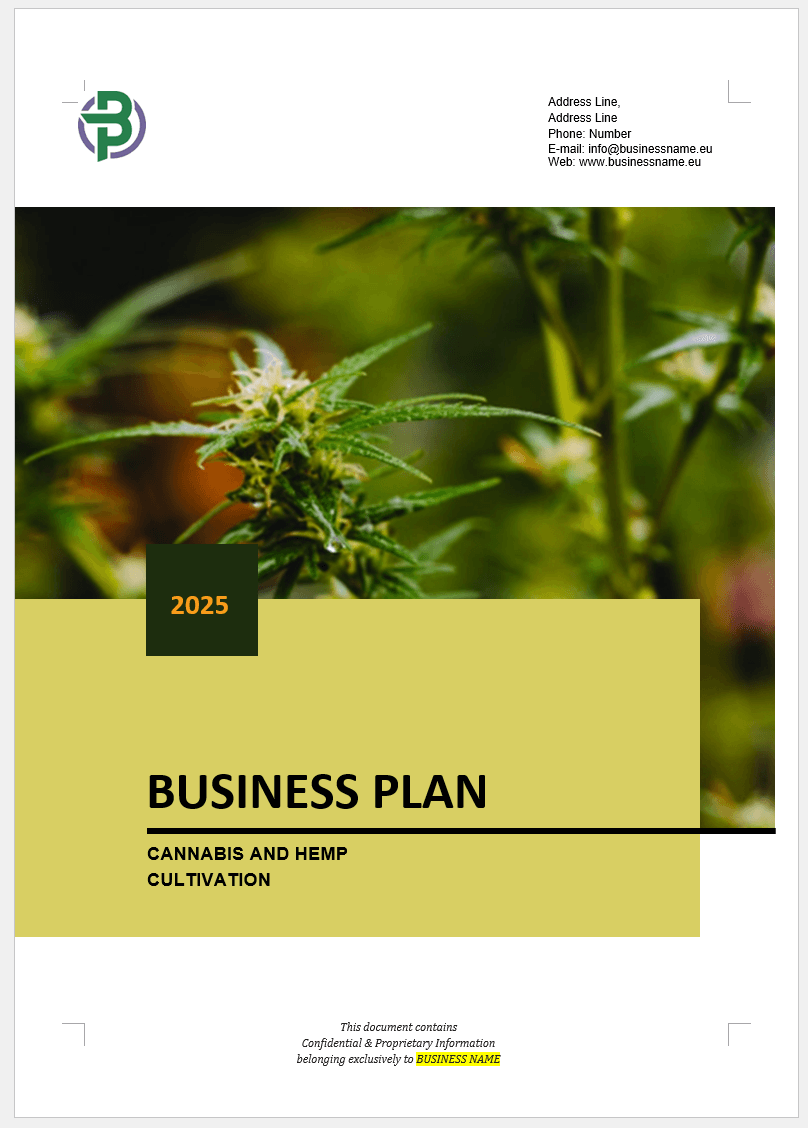
Cannabis and Hemp Cultivation Business Plan Template
Price range: €75 through €350