
Key Takeaways
- Cannabis law and regulations:
- Germany legalized medical cannabis on January 19th, 2017, allowing patients with qualifying conditions to legally obtain medical cannabis from pharmacies with a doctor’s prescription.
- On 22 March, 2024, Germany’s upper house approved the Cannabis Act (CanG), consisting of the Consumer Cannabis Act (KCanG) which regulates the adult-use cannabis market, and the Medical Cannabis Act (MedCanG) which collects the regulations on medical cannabis in one law.
- Licenses available:
- Medical cannabis cultivator; medical cannabis dealer; medical cannabis manufacturer; adult-use cannabis cultivation association.
- Products legal:
- Flowers, liquid cannabis extracts, capsules, sprays, drops.
- Taxes:
- There is no specific excise tax on cannabis in Germany.
- Market:
- As of June 2025, an estimated 338,000 people are active medical cannabis patients and together with an additional 500-600 thousand ‘self-paying telemedicine patients’, there are 700-900 thousand cannabis users in Germany.
- From 2023 to 2024, Germany’s imports of medical cannabis more than doubled to reach over 72,000 kilograms. In the first quarter of 2025, Germany imported 337,223 kilograms of medical cannabis – a surge of 357% from the same quarter last year and a 15% rise from the previous quarter.
- As of July 19, 2025, authorities have approved 293 cannabis social clubs.
Cannabis Legalization in Germany
Medical
On January 19th, 2017, Germany’s parliament (Bundestag) passed a law that officially makes cannabis legal for medicinal purposes, allowing for severely ill German patients to receive prescriptions for medical cannabis treatment. This amendment became effective from March 2017, allowing people with qualifying conditions to legally obtain medical marijuana from pharmacies with a doctor’s prescription.
In April 2019, the Federal Institute for Drugs and Medical Devices (BfArM) announced that it was awarding the tender to cultivate cannabis domestically in Germany to three companies exclusively for distribution in German markets. In total, the tender ensures that the BfArM will purchase 10,400 kilograms of cannabis from producers for an estimated wholesale price per gram €2.3. 10,400 kilograms is further split into 2,600 kilograms per year between the companies in the proportions listed below:
- Aurora – 1,000kg/year for 4 years
- Tilray – 1,000kg/year for 4 years
- Demecan – 600kg/year for 4 years
The Cannabis Act (CanG), which was approved by Germany’s upper house on 22 March, 2024, consists of the Consumer Cannabis Act (KCanG) and the Medical Cannabis Act (MedCanG). KCanG regulates cultivation of cannabis at home and social cannabis clubs. MedCanG collects the regulations on medical cannabis into one law. It came into force on 1 April 2024. The new law establishes a purely authorization-based procedure instead of an award-based tendering process. New cultivators are able to apply for a license from the BfArM.
From October 17, German doctors who have certain specialist qualifications can prescribe medical cannabis without first receiving approval from statutory health insurance companies.
Recreational
On February 23, 2024, the Bundestag (the lower house of the German legislature or parliament) passed the Cannabis Act (CanG) legalizing the recreational use of cannabis for personal use in the country. CanG was approved by Germany’s upper house, the Bundersrat, on 22 March, 2024, and came into force on April 1. Provisions regulating cannabis social clubs came into force on July 1, 2024. The first cannabis social club was approved on July 8.
Germany’s approach to legalization of adult-use cannabis has two pillars. Pillar One involves the removal of cannabis from the German Narcotic Drugs Act (BtMG). This allows individuals to possess up to 25 grams in public and 50 grams at home. It also allows up to three plants per person to be grown at home and creates cannabis social clubs that will have up to 500 members, from which individuals can obtain up to 50 grams of cannabis per month.
Regulations for Pillar Two, which is meant to provide regional model projects for commercial cultivation and sale of recreational cannabis, have not yet been developed. Only cannabis flowers and hashes (solventless derivatives) can be distributed.
German Cannabis Market: Stats and Perspectives
In 2022 over 170,000 patients were prescribed medical cannabis in Germany comparing to about 128,000 patients in 2020, 60,000 patients in 2019 and 40,000 patients in 2018. In April 2024, Germany had around 250,000 medical cannabis patients. As of June 2025, an estimated 338,000 people were active medical cannabis patients. However, the rise of telemedicine clinics has created a new category of ‘self-paying telemedicine patients’ who use medical cannabis for self-medication or adult-use purposes and it is estimated that there could be between 500-600 thousand ‘self-paying telemedicine patients’, bringing the total patient number to 700-900 thousand patients.
The German group Cansativa holds the sole license to distribute medical cannabis to German pharmacies, which they started doing in July 2021 after purchasing the product from three companies cultivating cannabis domestically: Aurora Cannabis, Tilray and Demecan. While domestic producers may exceed the declared amount by 10%, 2600 kg per year does not cover the needs of Germany. Imports to Germany have been increasing steadily since the inception of the market in 2017, almost doubling each year up to the end of 2021. The total volume of cannabis imported into Germany in 2023 was 32,493 kilograms: a 30.6% increase from the 24,875 kilograms imported in 2022. From 2023 to 2024, Germany’s imports of medical cannabis more than doubled to reach 72,850 kilograms. Canada accounted for 45.5% of the 2024 imports, making it the largest importer of cannabis into Germany. It is followed by Portugal (23.7%) and Denmark (10.2%).
According to a report by the Prohibition Partners, since the passing of the CanG Act, there was a particularly sharp increase in imports from around 8,143 kilograms in Q1 2024 to 11,634 kilograms in Q2 2024: a 43% rise. By Q4 2024, cannabis imports increased almost fourfold from Q1 2024 to 32,419 kilograms. In the first quarter of 2025, Germany imported 37,223 kilograms of medical cannabis – a surge of 357% from the same quarter last year and a 15% rise from the previous quarter.
Prohibition Partners estimated that medical cannabis sales in Germany would reach €420 million in 2024 and €1 billion by 2028.
In July 2024, Tilray’s Aphria RX Facility in Germany was granted a new cannabis cultivation license after the passing of MedCanG. The new license allows to increase production by five times and add 31 new strains. Two other companies, Aurora and Demecan, have also received new licenses and expanded cultivation permits under the new law.
According to the Business of Cannabis, around 2500 to 3000 pharmacies currently dispense medical cannabis. Meanwhile, the number of specialized cannabis pharmacies increased by five times from around 50 in April 2024 to more than 250 in April 2025.
Between July and August, there was a 237% increase in the total number of confirmed applications for cannabis social clubs in Germany. From August to September, the percentage increase was lower at 34%, from 206 applications in August to 303 applications in September. As of July 19, 2025, authorities have approved 293 cannabis social clubs. Another 328 applicants are being processed.
A 2021 survey found that around 7 million Germans have reportedly consumed cannabis at least once in a 12 month period. Four million people used cannabis in Germany in 2022, and a quarter of all people aged 18 to 24 in the country used it, according to the Minister of Health. As of February 2024, this number has increased to 4.5 million.
German Cannabis Market Infographics
Cannabis Cultivation Business Plan Sample, Germany
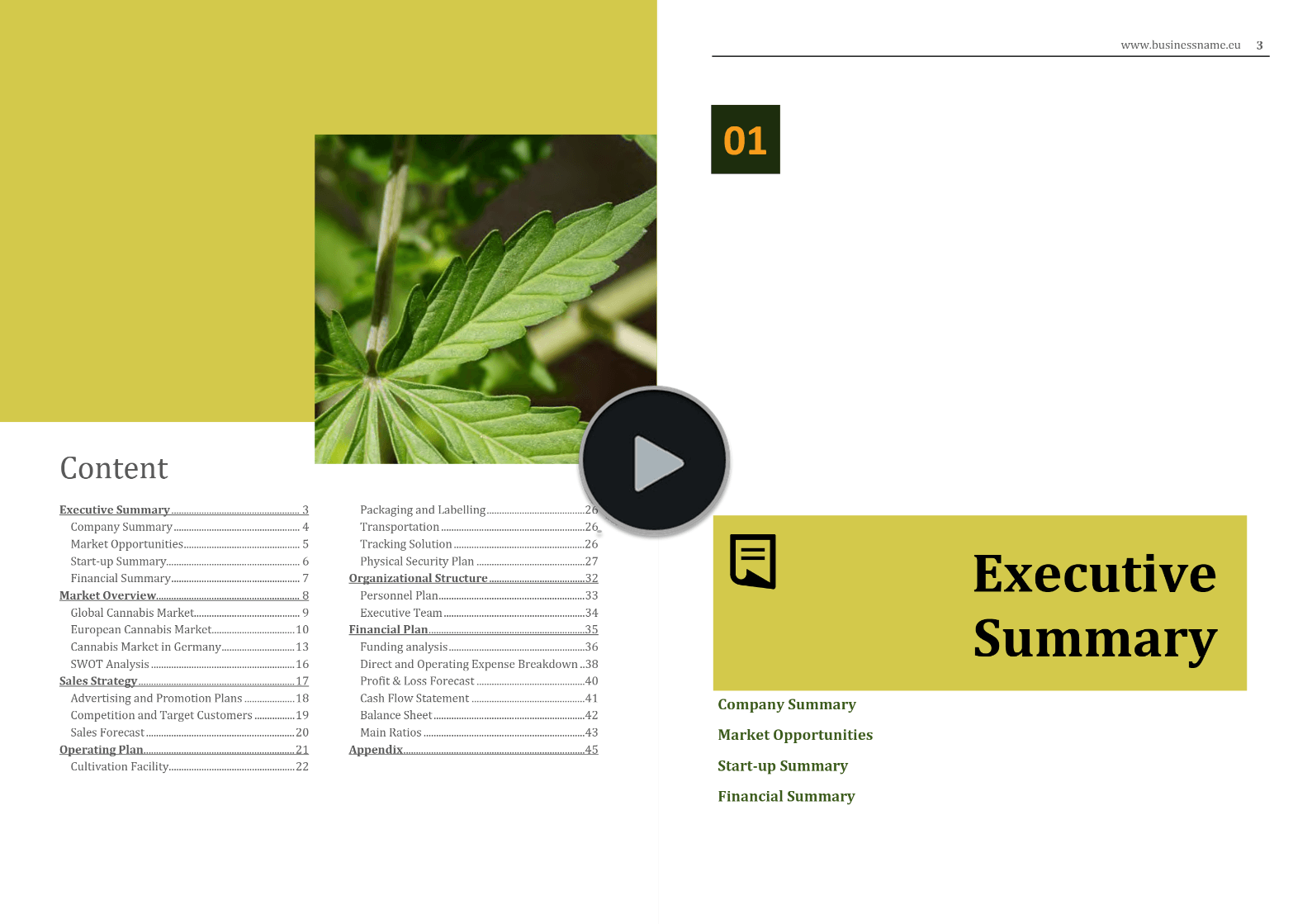
'70% ready to go' business plan templates
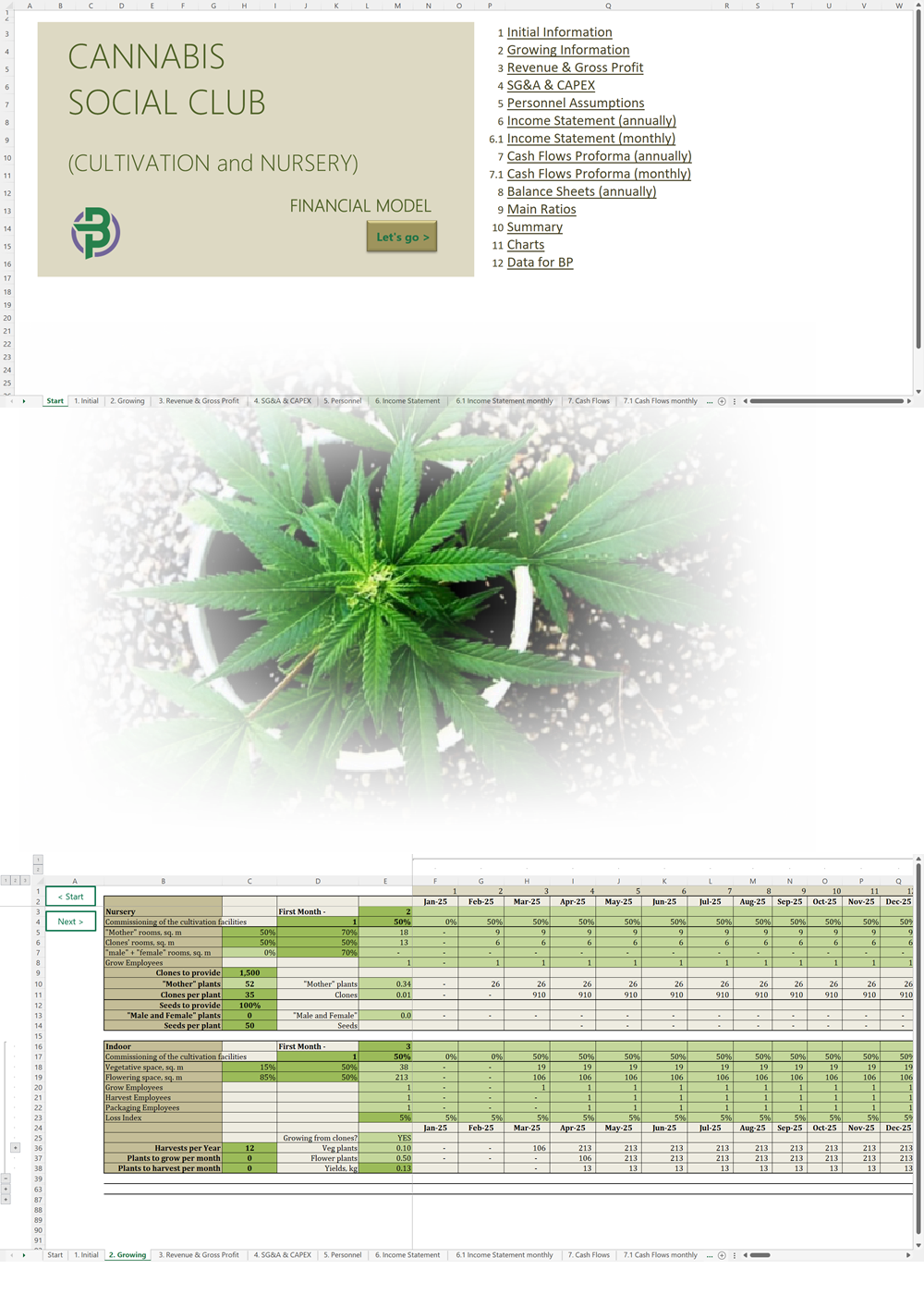
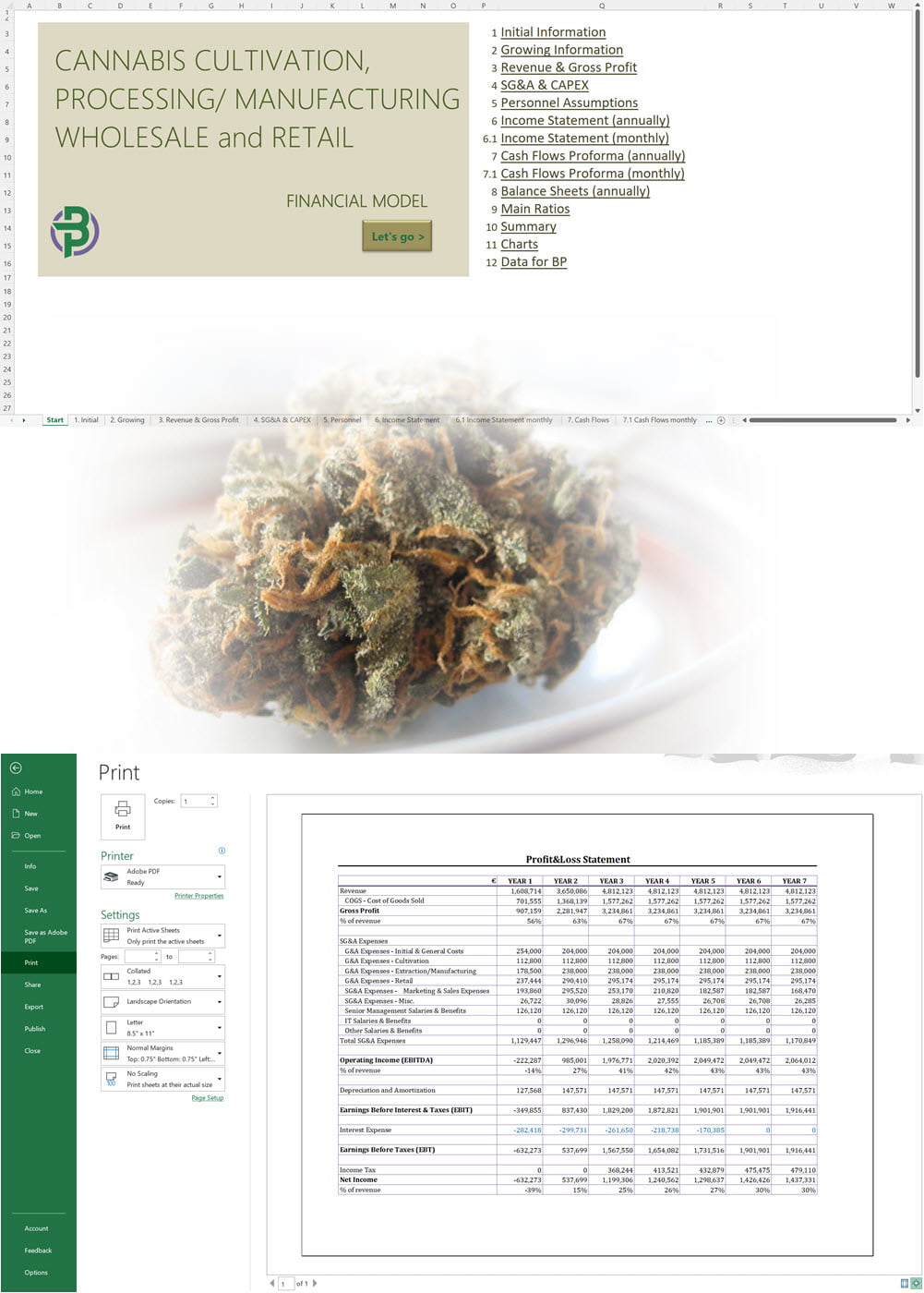
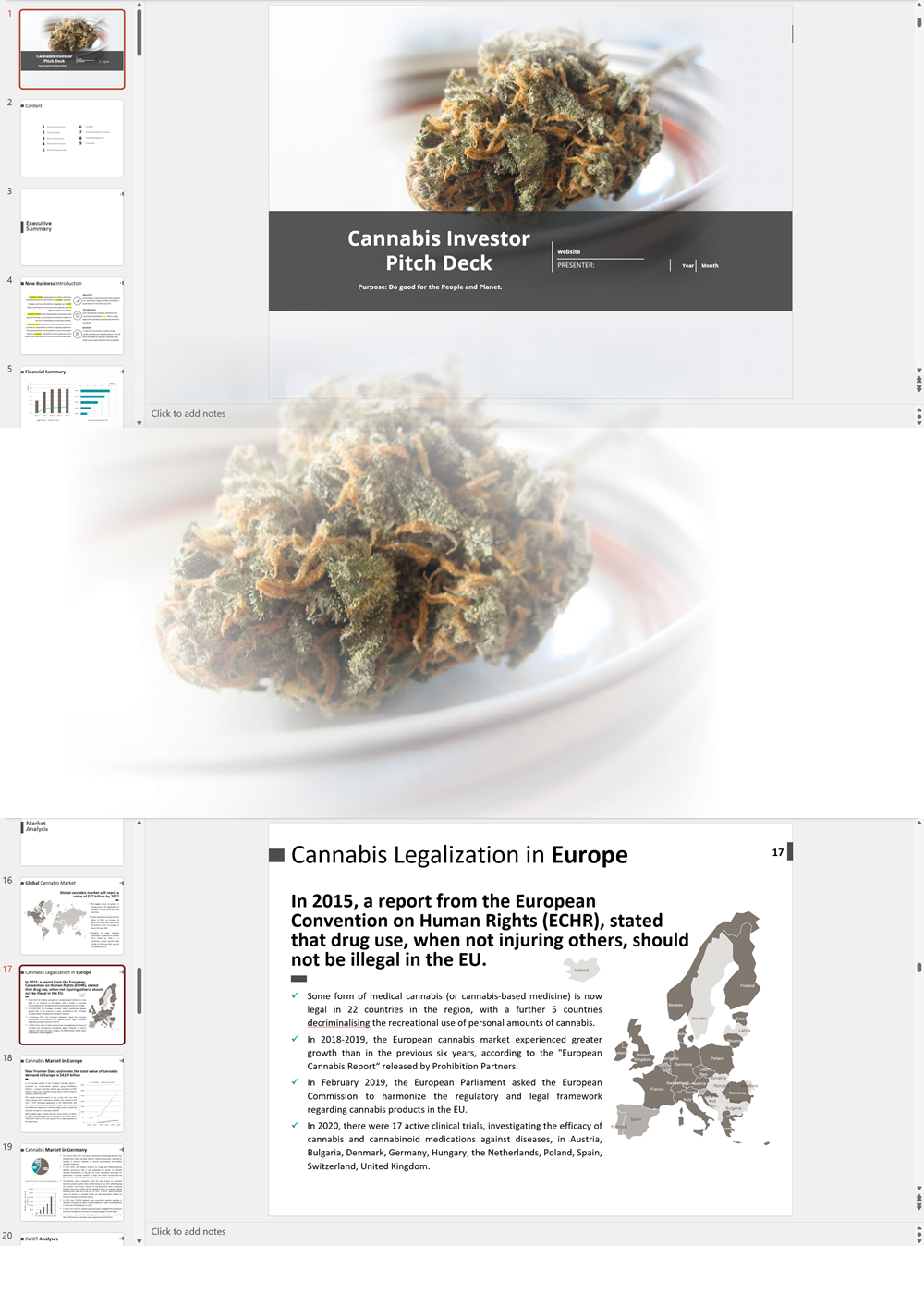
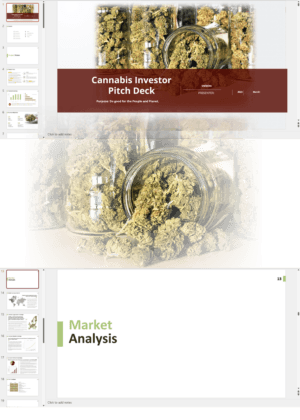
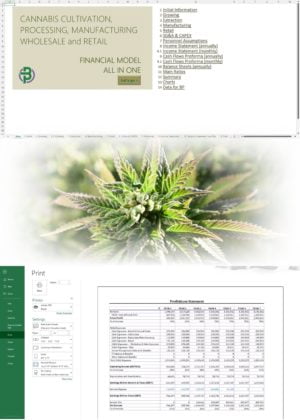
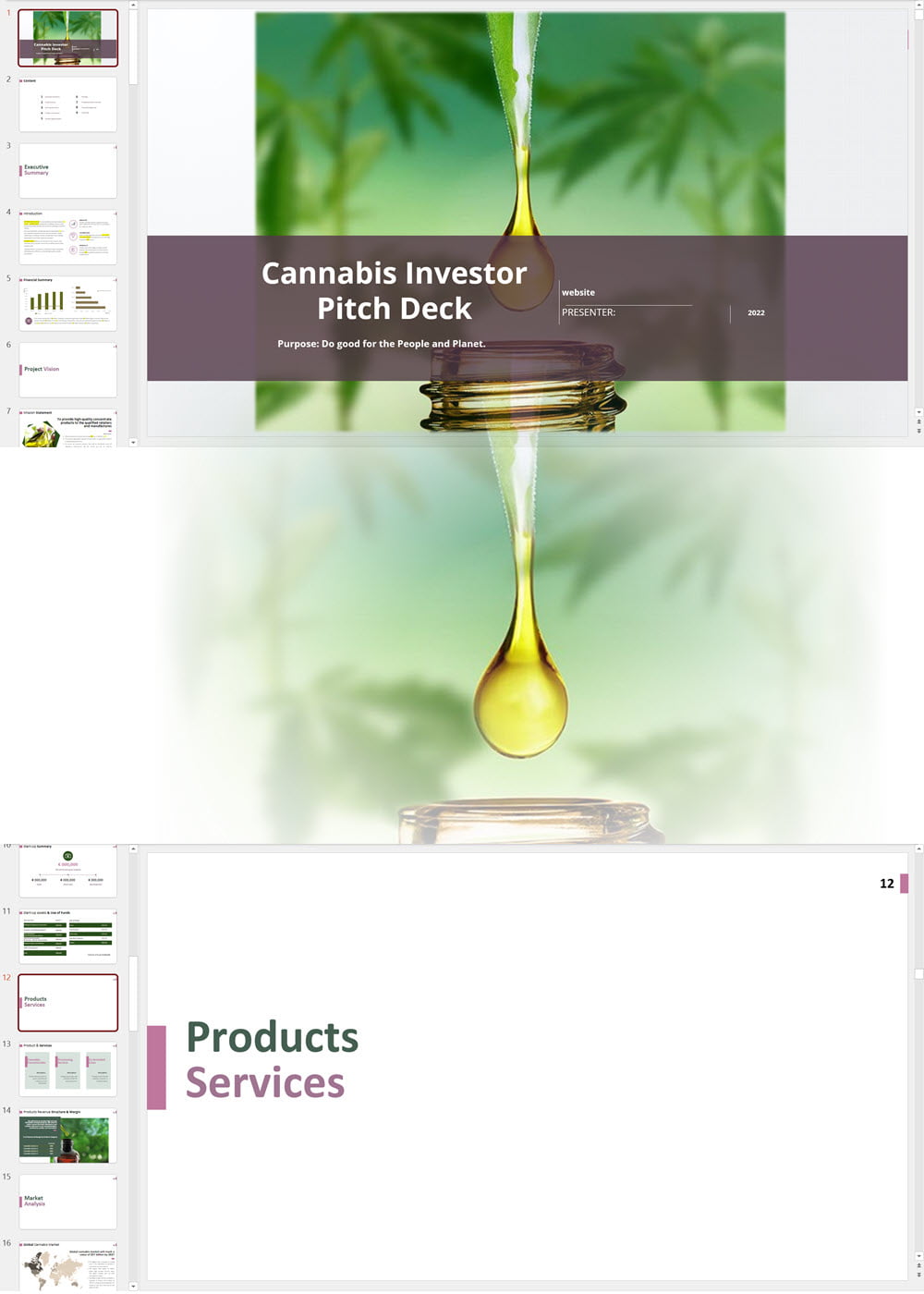
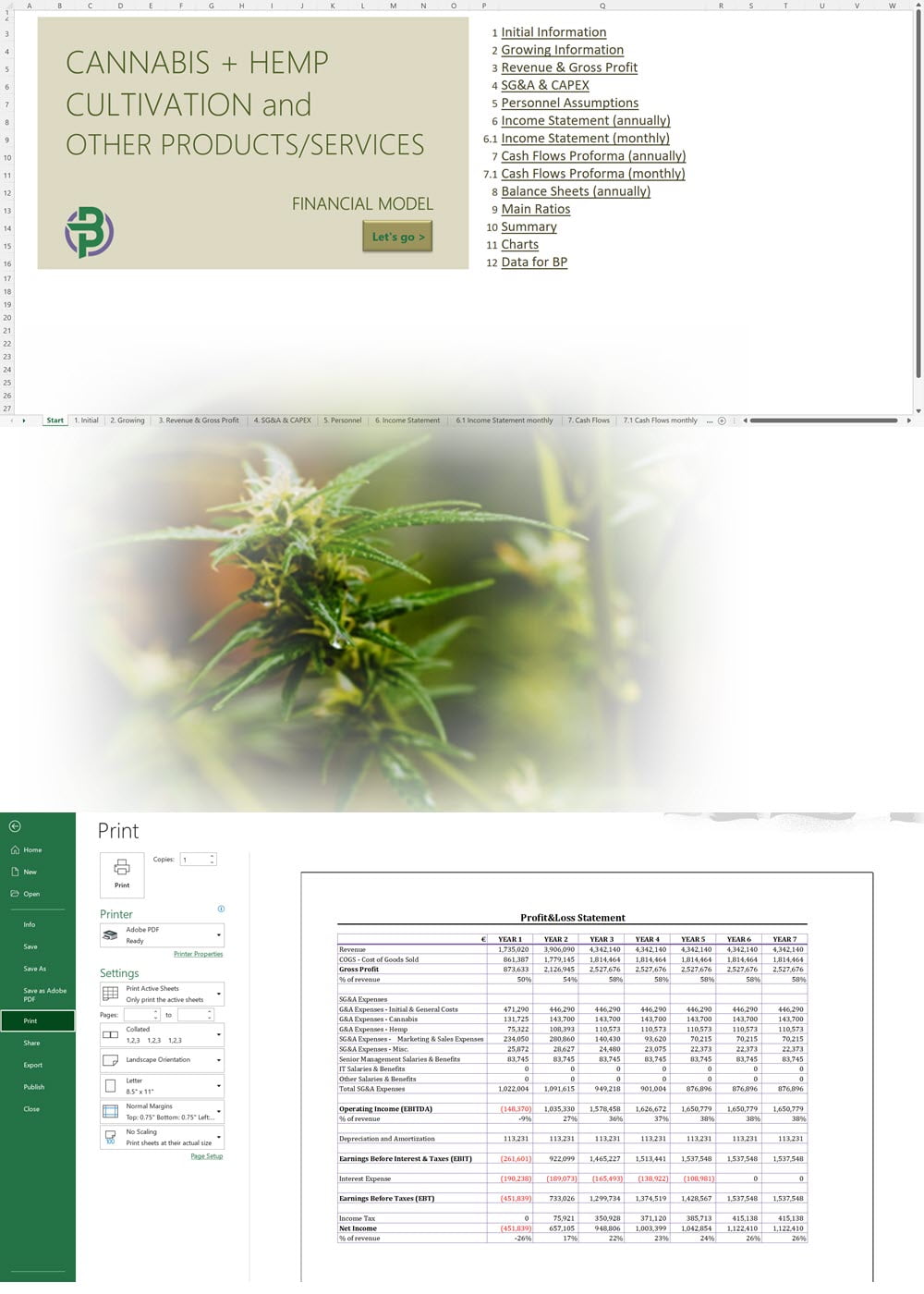
Our cannabis financial models and cannabis business plan templates will help you estimate how much it costs to start and operate your own cannabis business, to build all revenue and cost line-items monthly over a flexible seven year period, and then summarize the monthly results into quarters and years for an easy view into the various time periods. We also offer investor pitch deck templates.
Best Selling Templates
-

Cannabis Cultivation Business Plan Template
Price range: €75 through €350 Select options This product has multiple variants. The options may be chosen on the product page -

Cannabis Dispensary Investor Pitch Deck Template
€75 Select options This product has multiple variants. The options may be chosen on the product page -
Cannabis Financial Model All in One
€250 Select options This product has multiple variants. The options may be chosen on the product page

Cannabis business plan templates for other countries are available at cannabusinessplans.com.
Our Templates
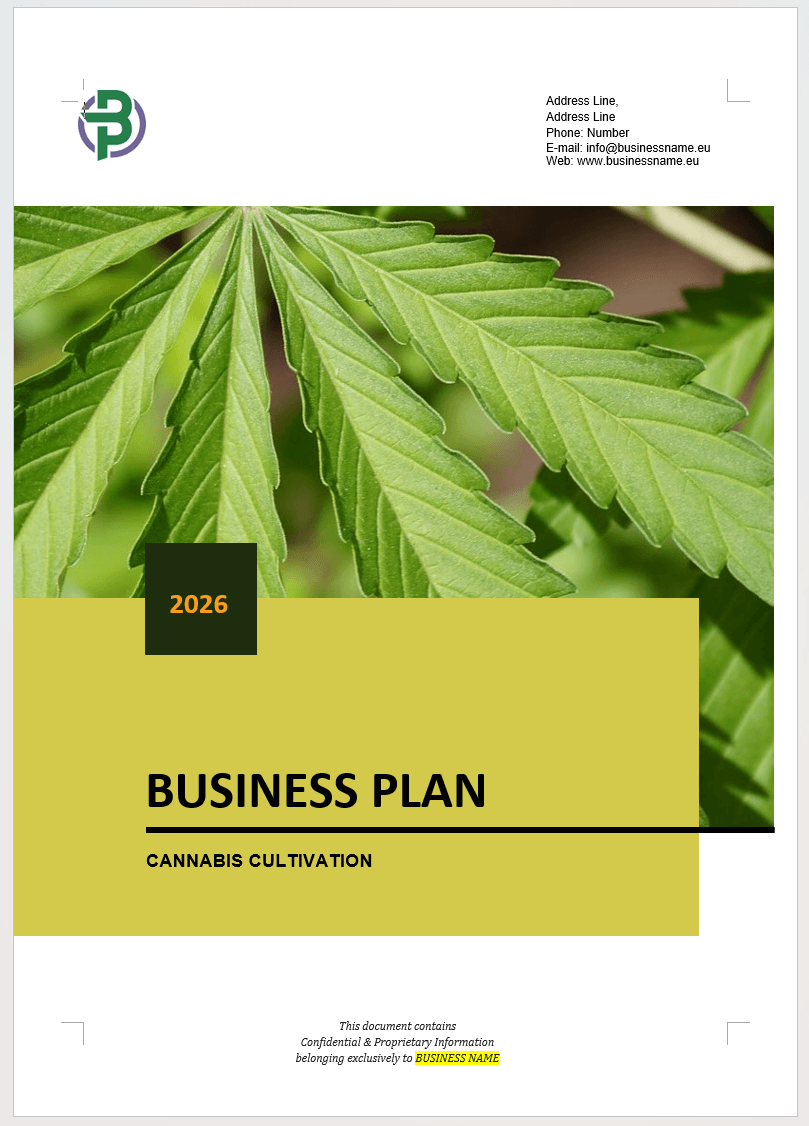
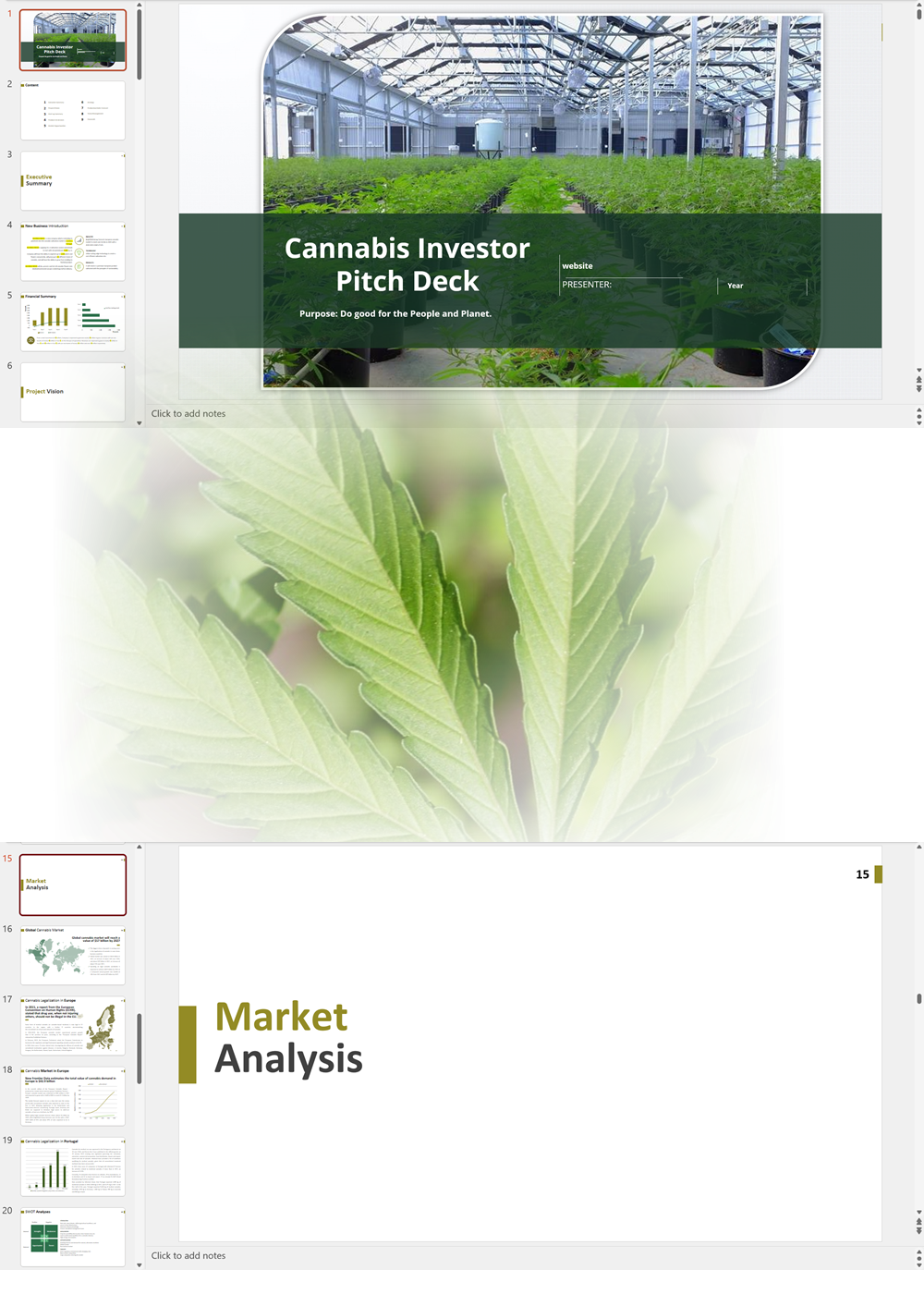
Cannabis Cultivation Business Plan Template
Price range: €75 through €350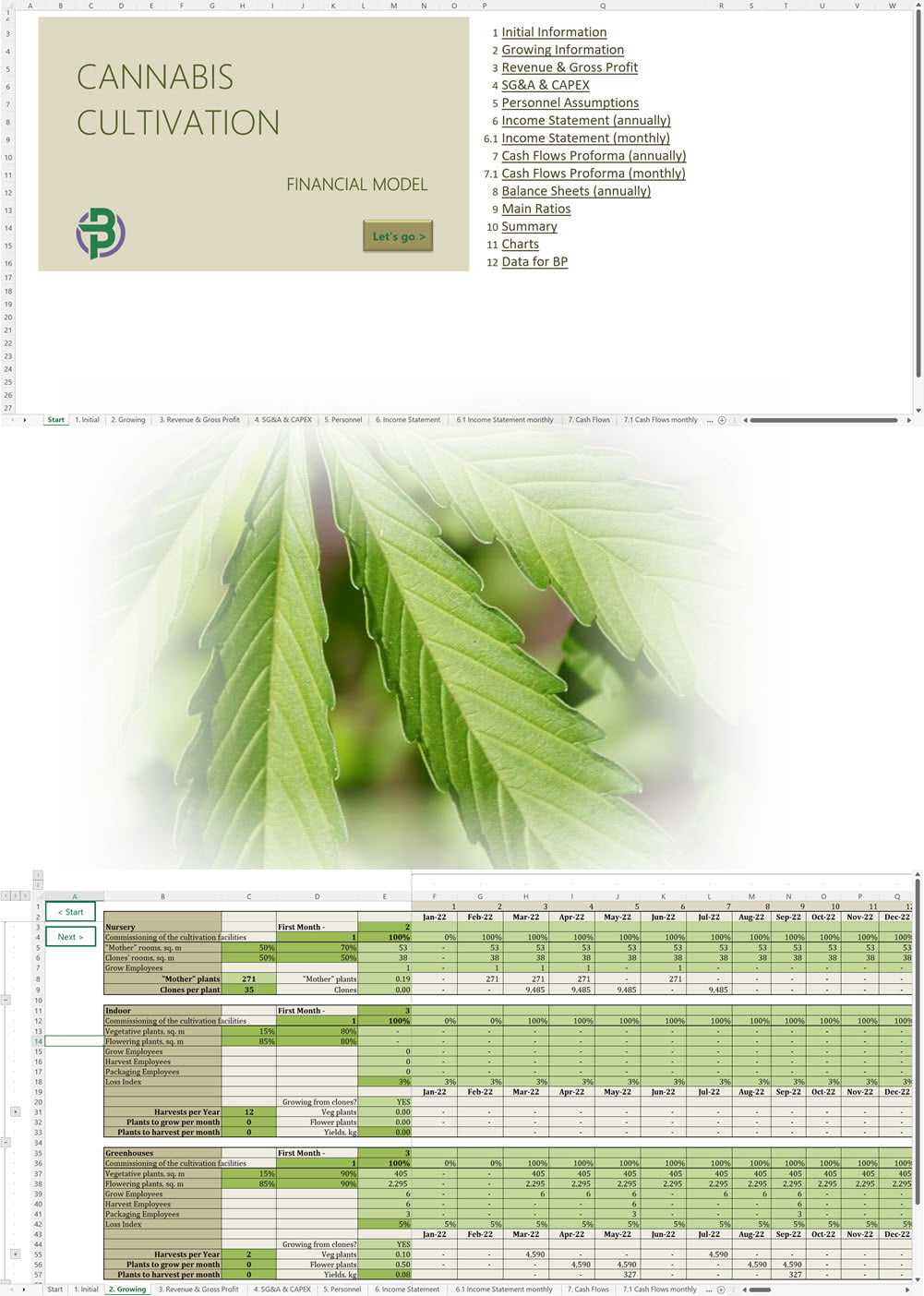

Cannabis Lounge + Retail Business Plan Template
Price range: €75 through €350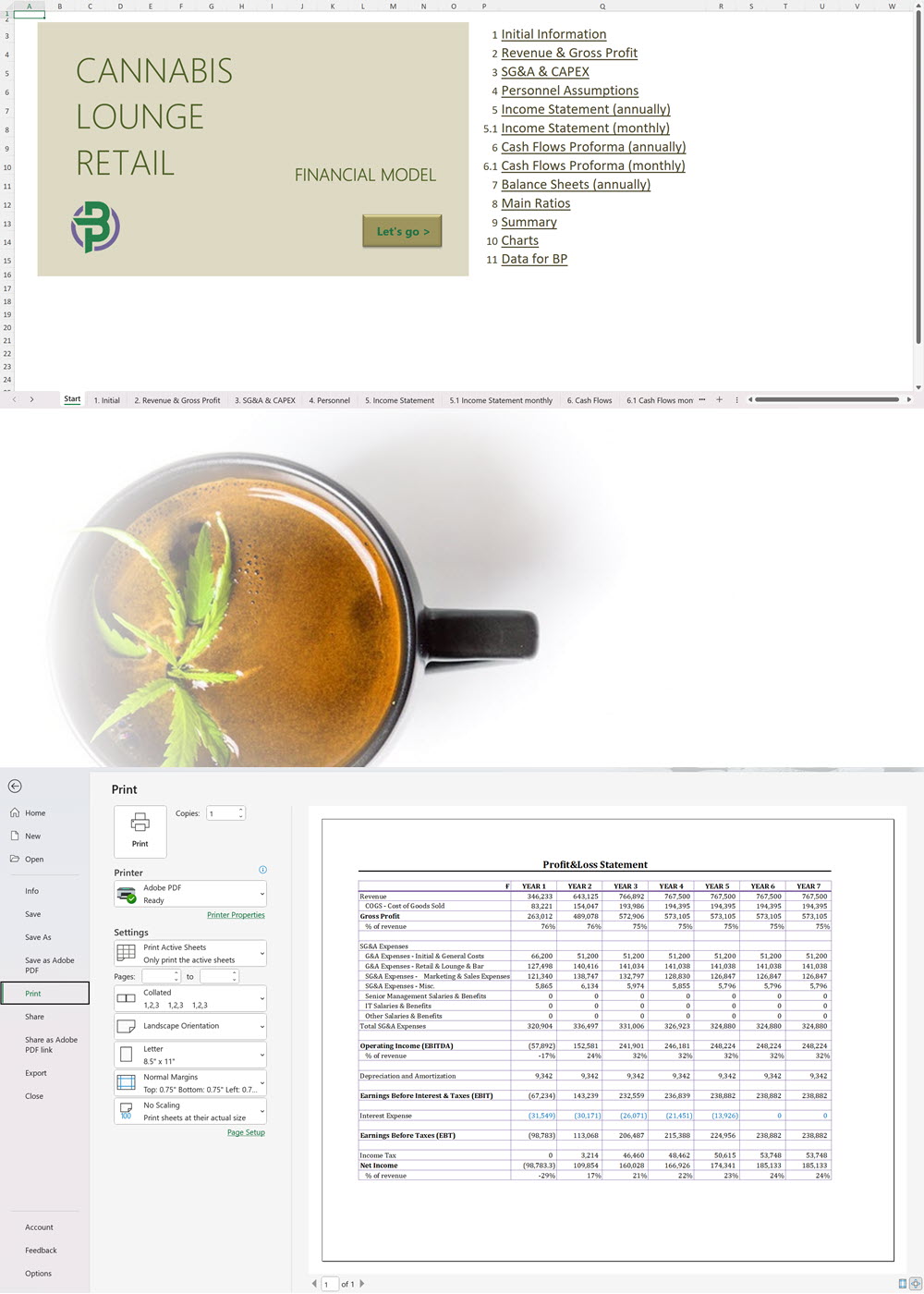
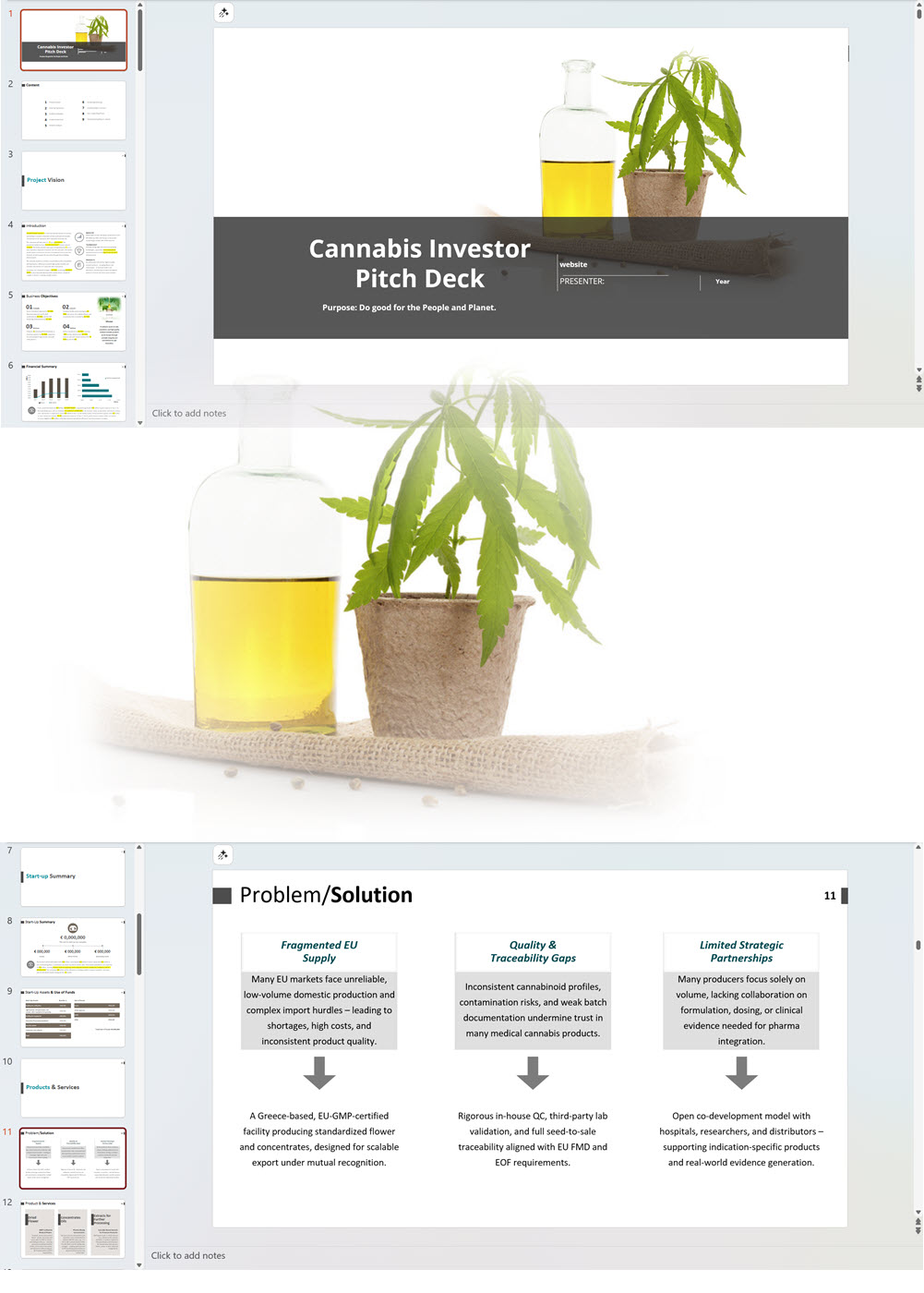
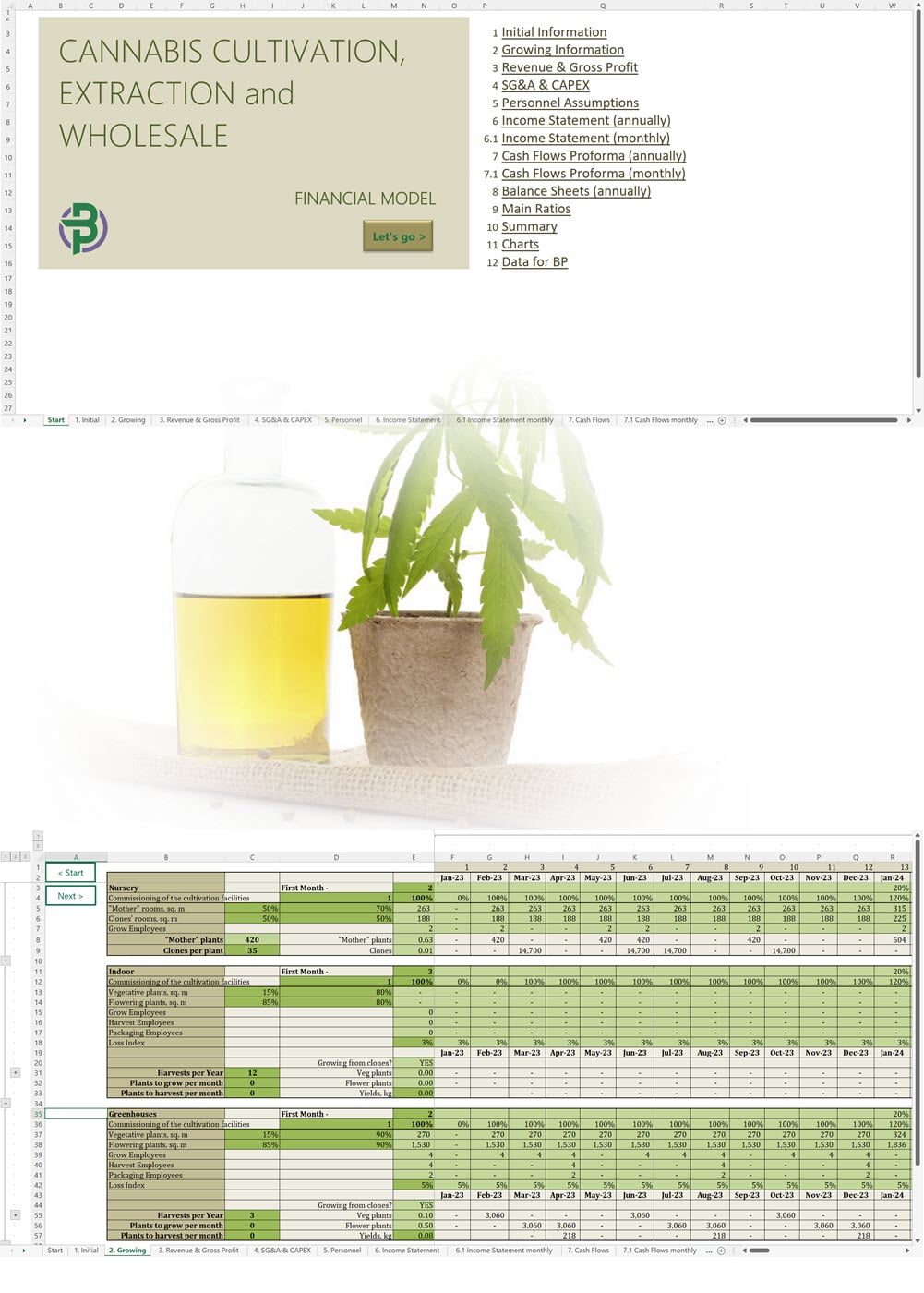
Cannabis Cultivation and Extraction / Concentrates Business Plan Template
Price range: €75 through €450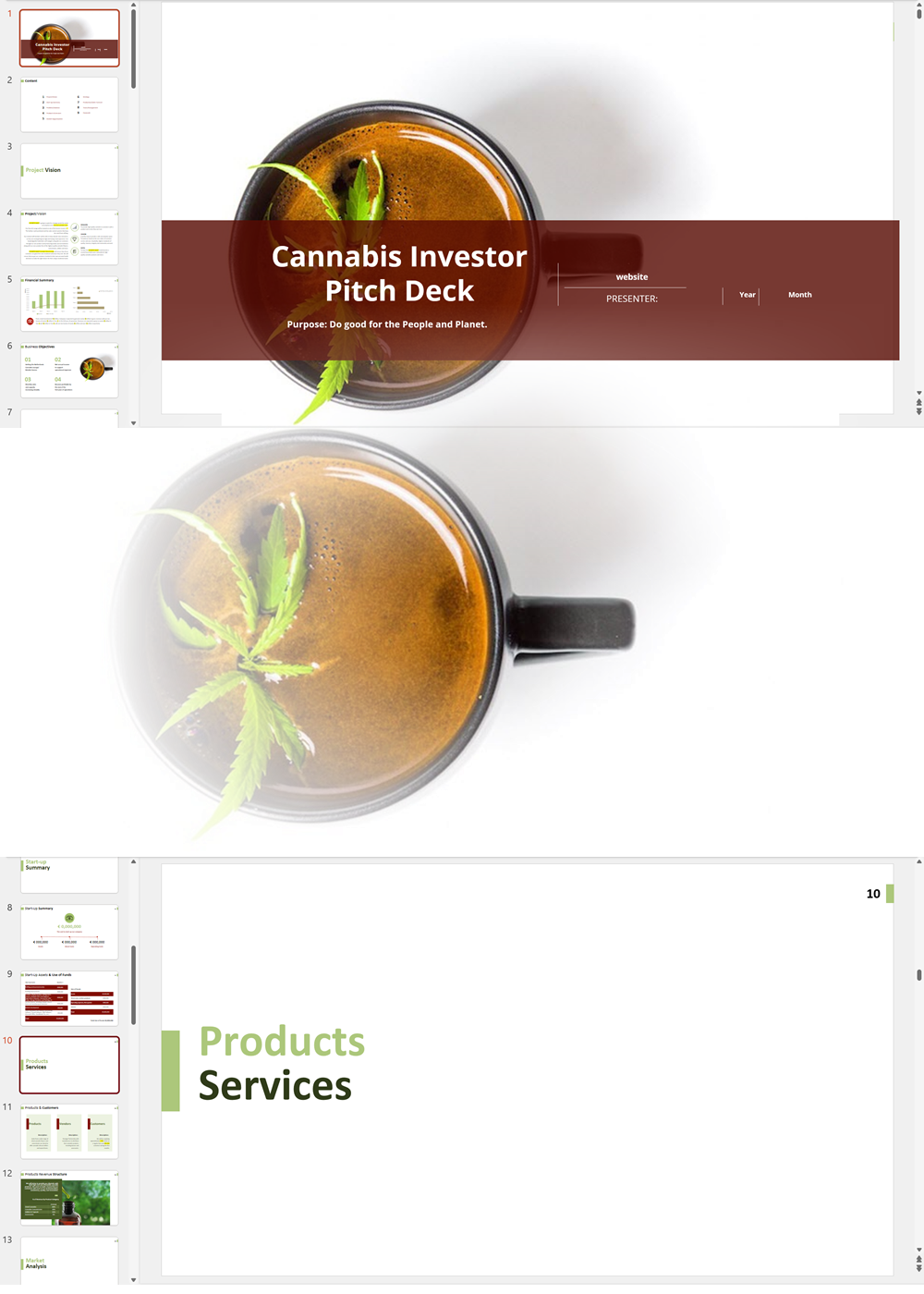

Cannabis Manufacturing Business Plan Template (in-house processing)
Price range: €70 through €250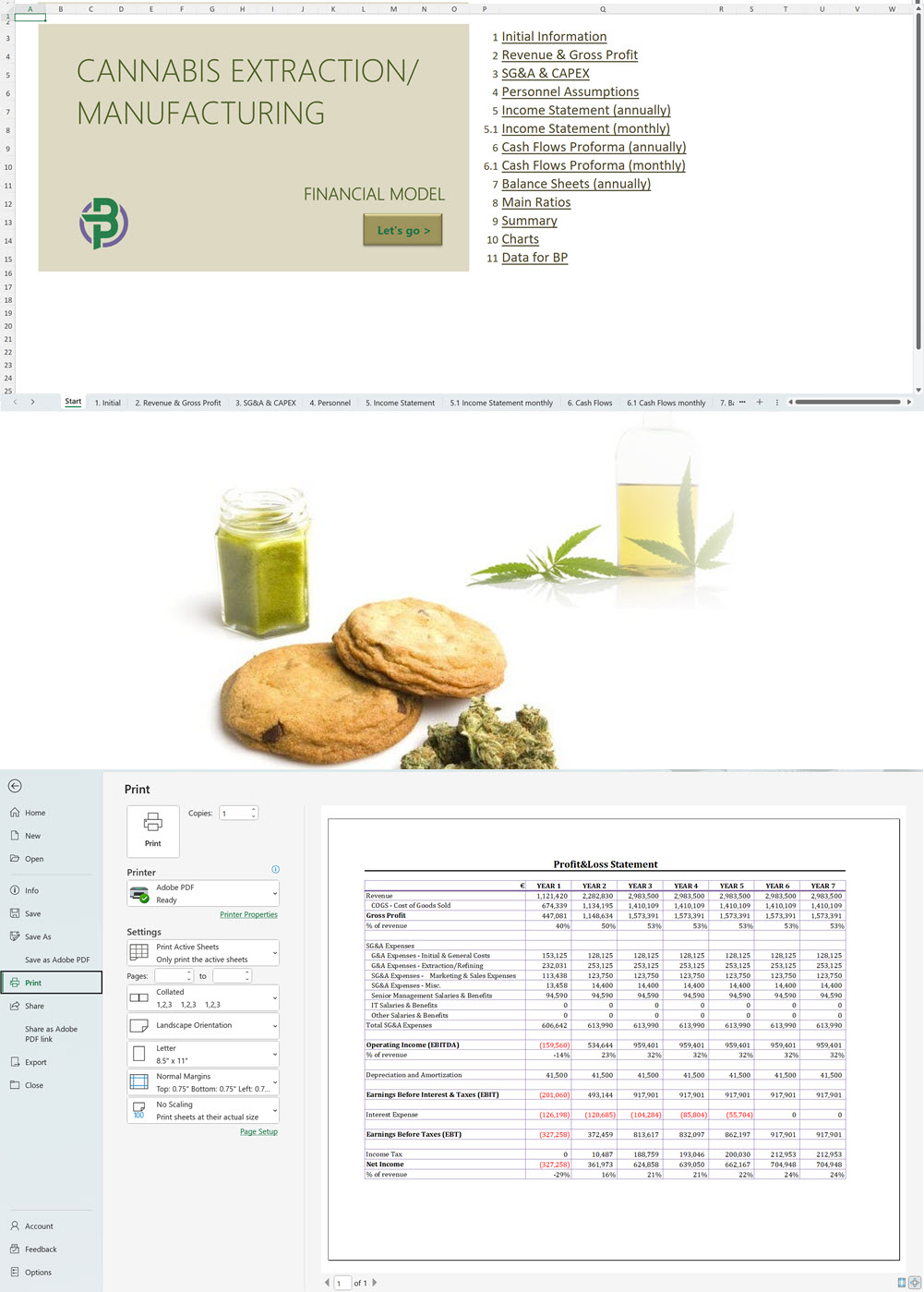
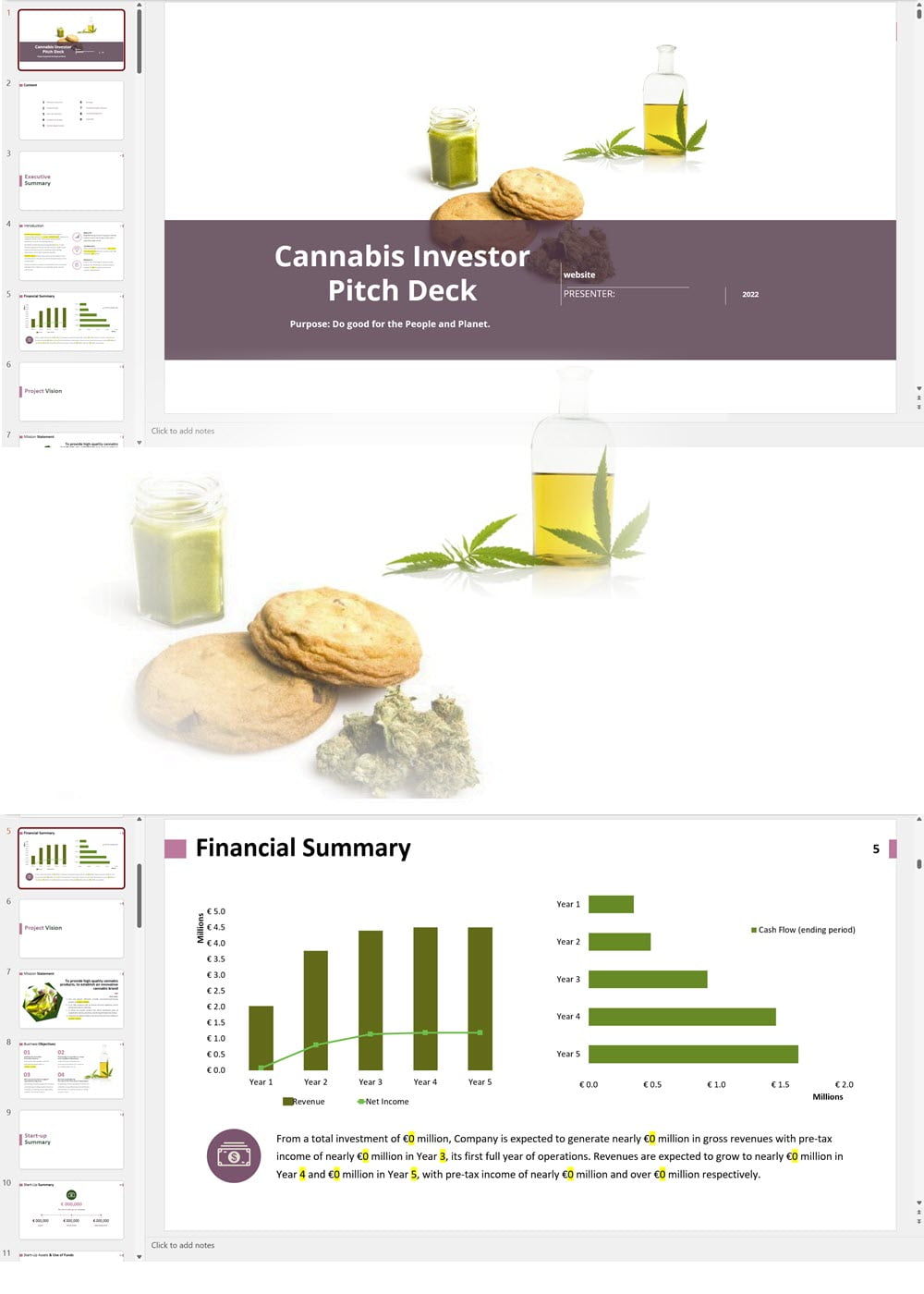
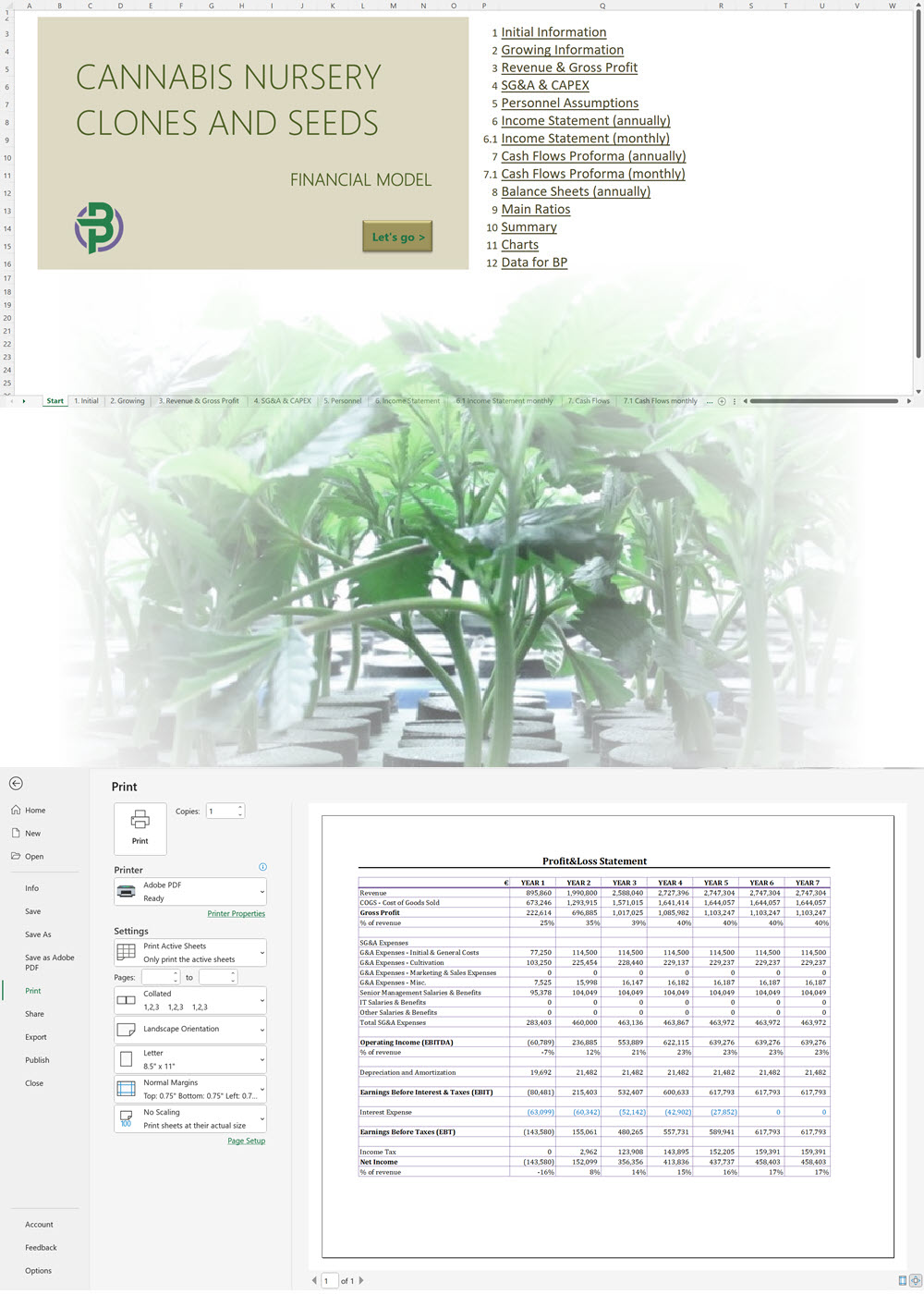
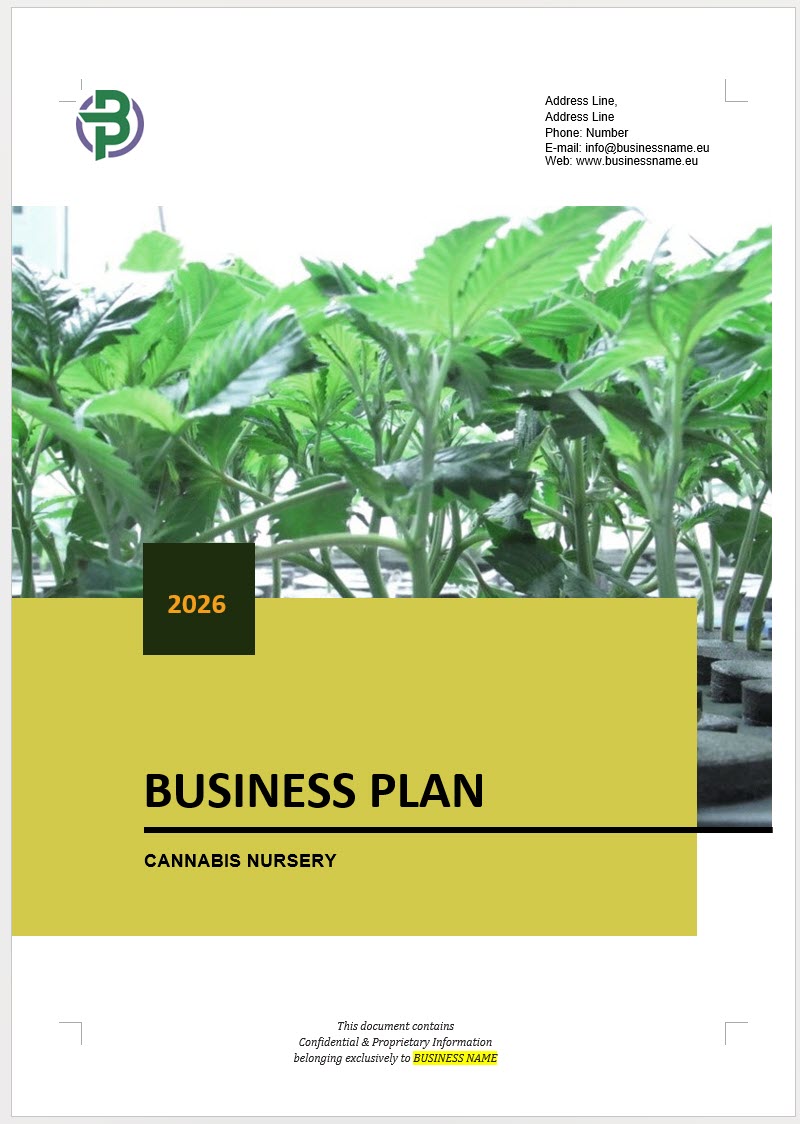
Cannabis Clones/Seeds Nursery Business Plan Template
Price range: €75 through €350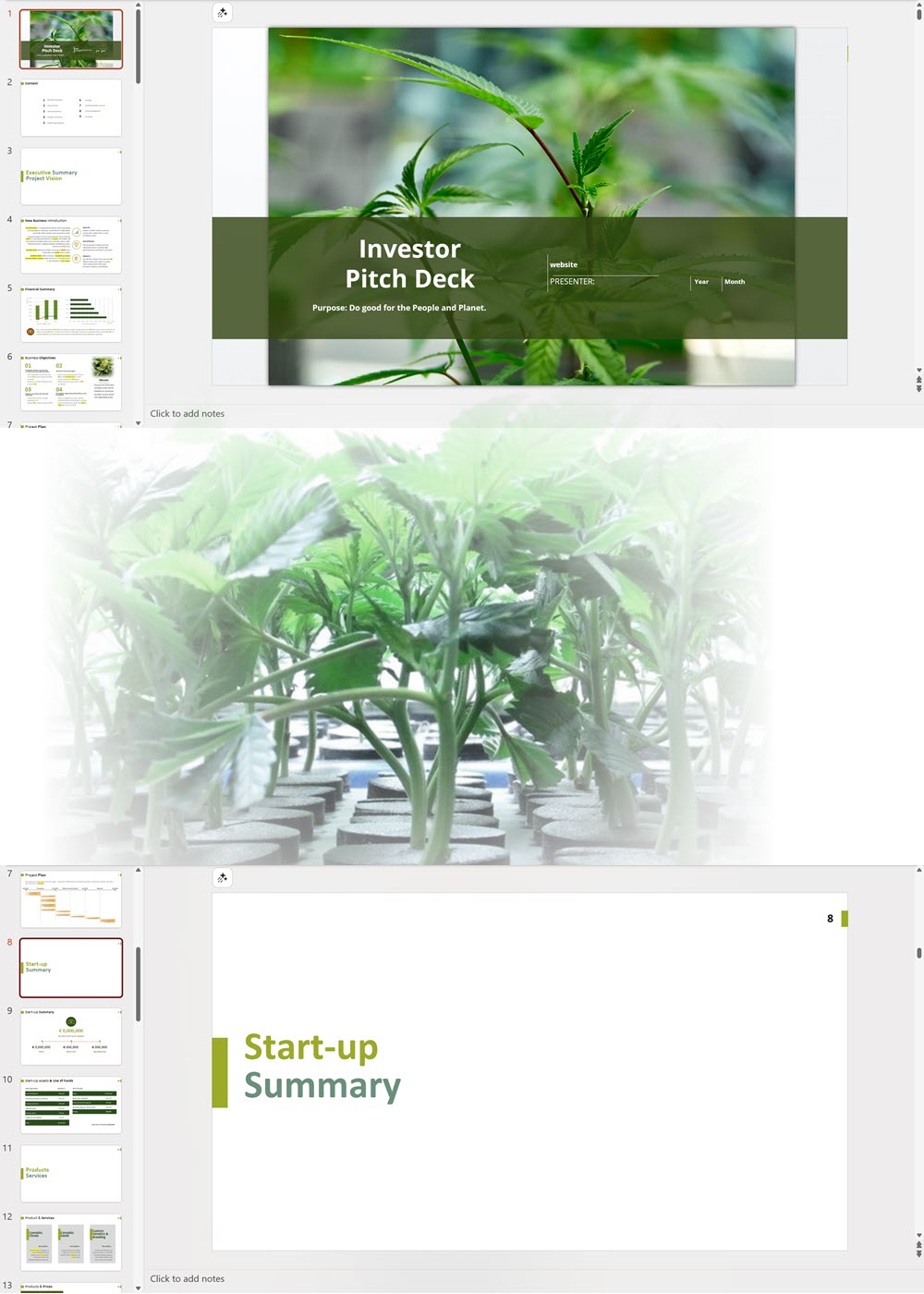
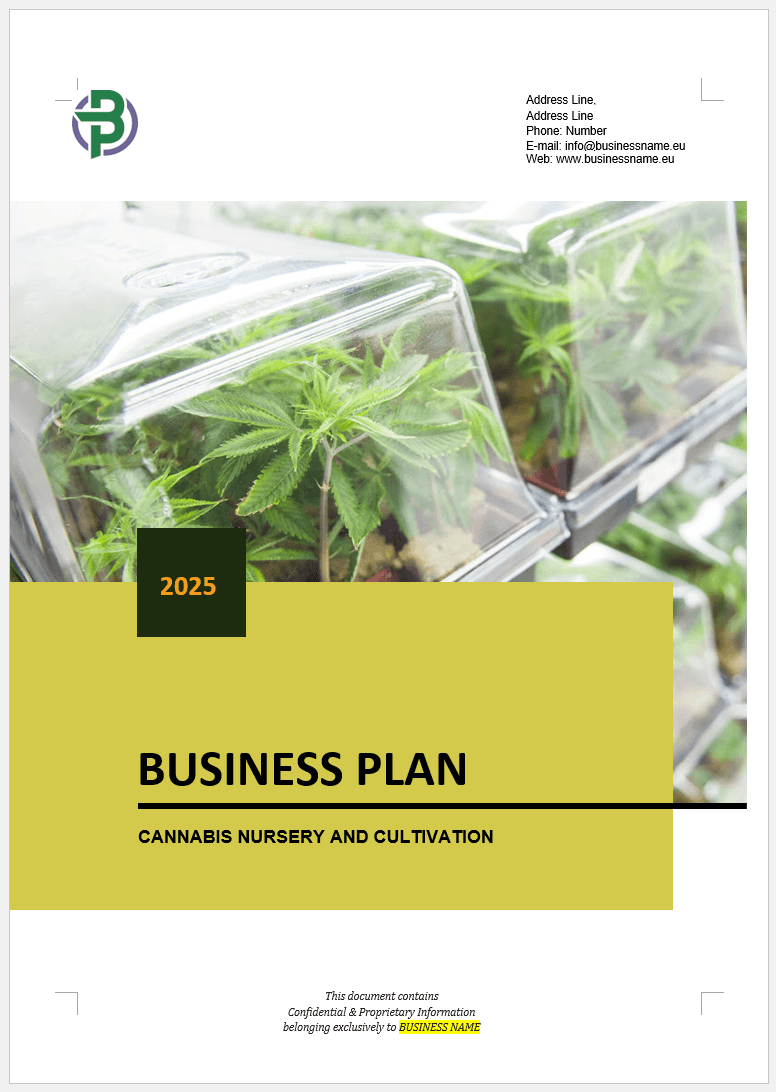
Cannabis Cultivation + Nursery Business Plan Template
Price range: €75 through €350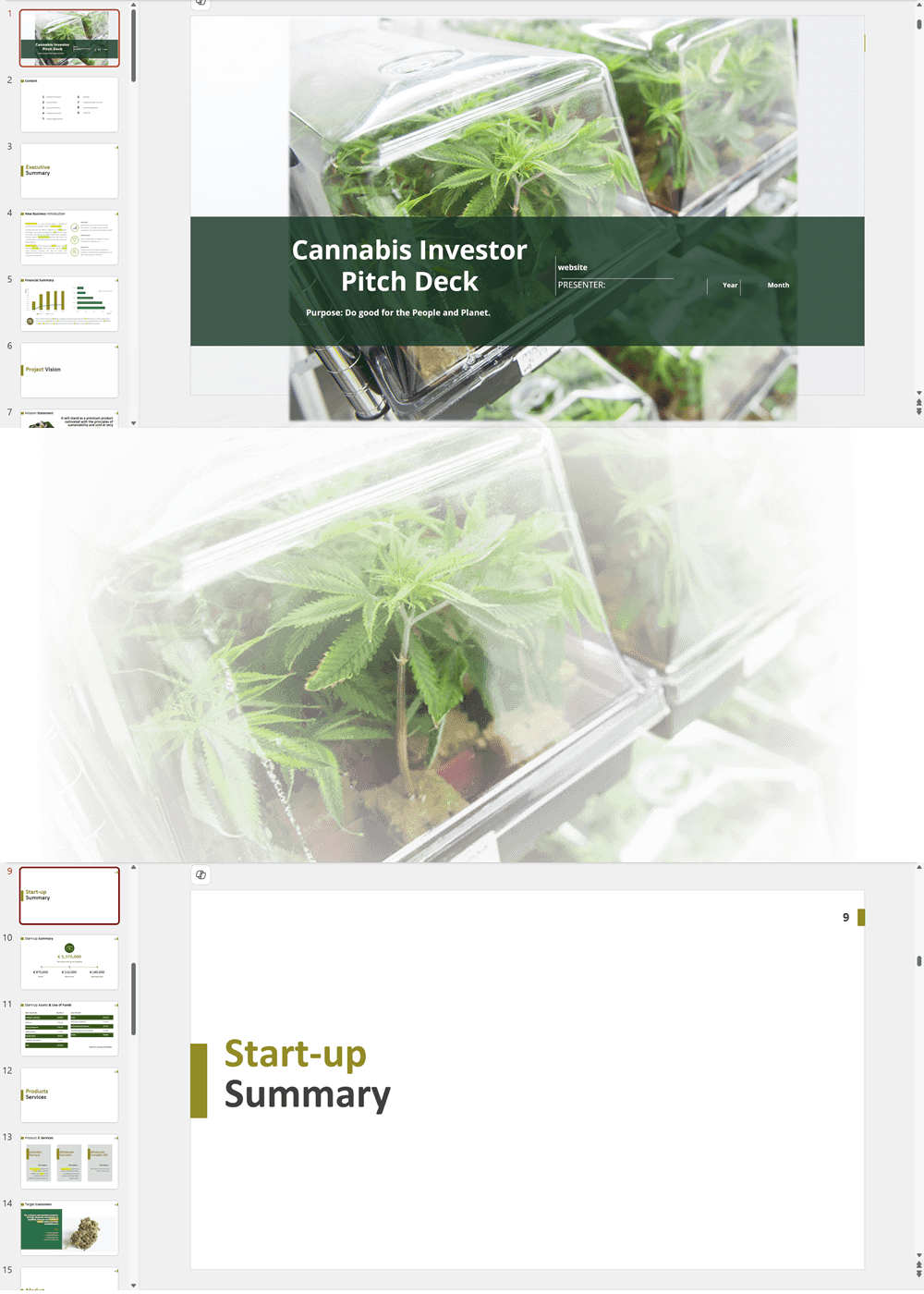
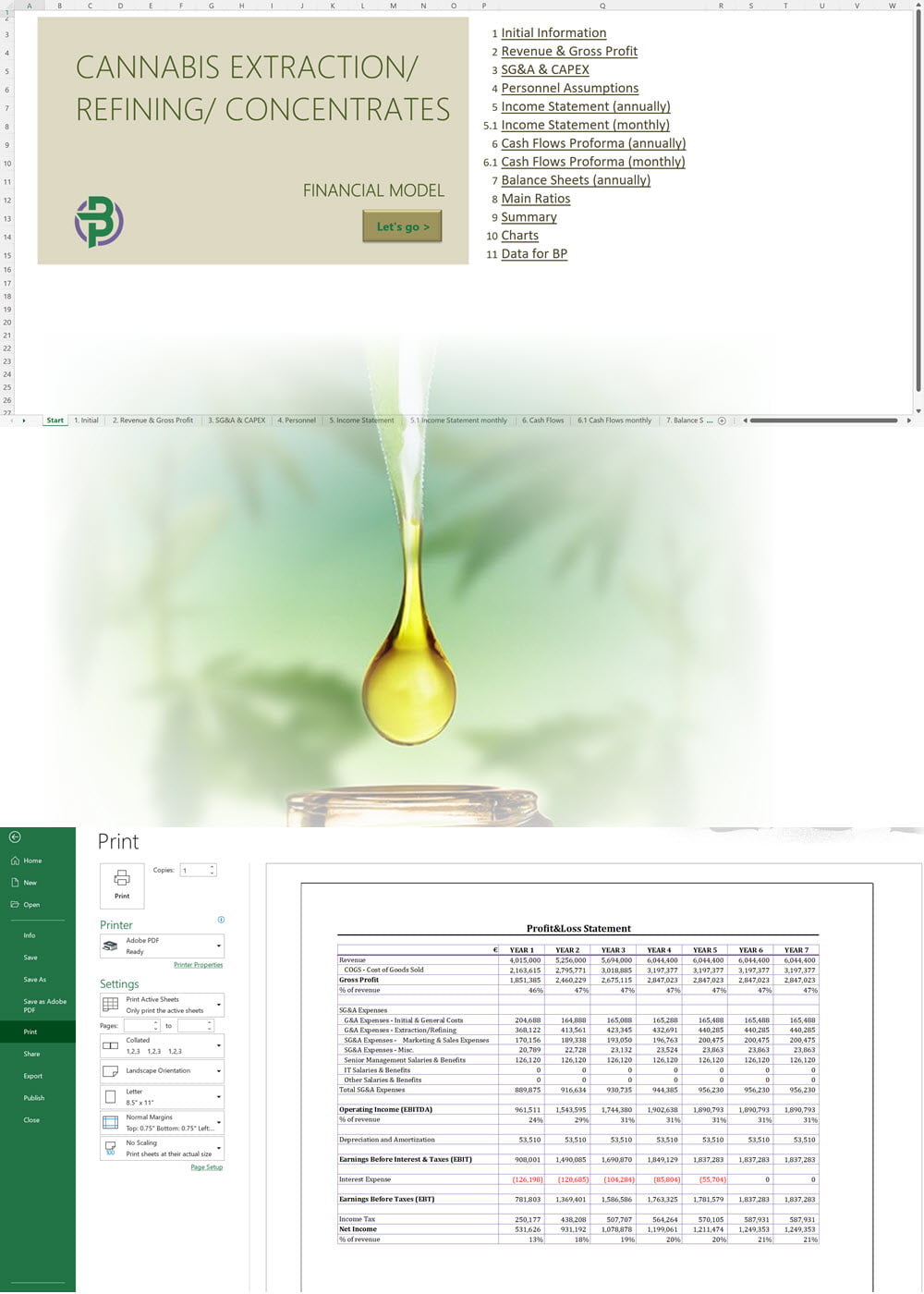
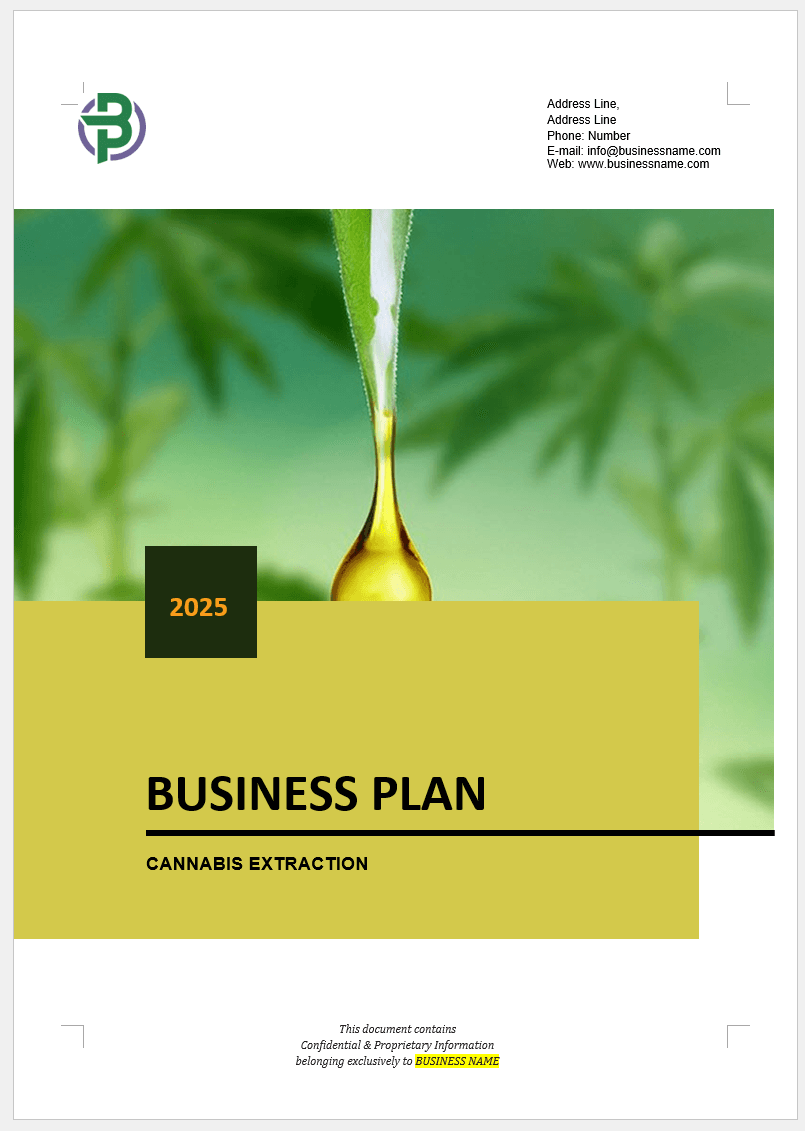
Cannabis Extraction/Concentrates Business Plan Template
Price range: €75 through €350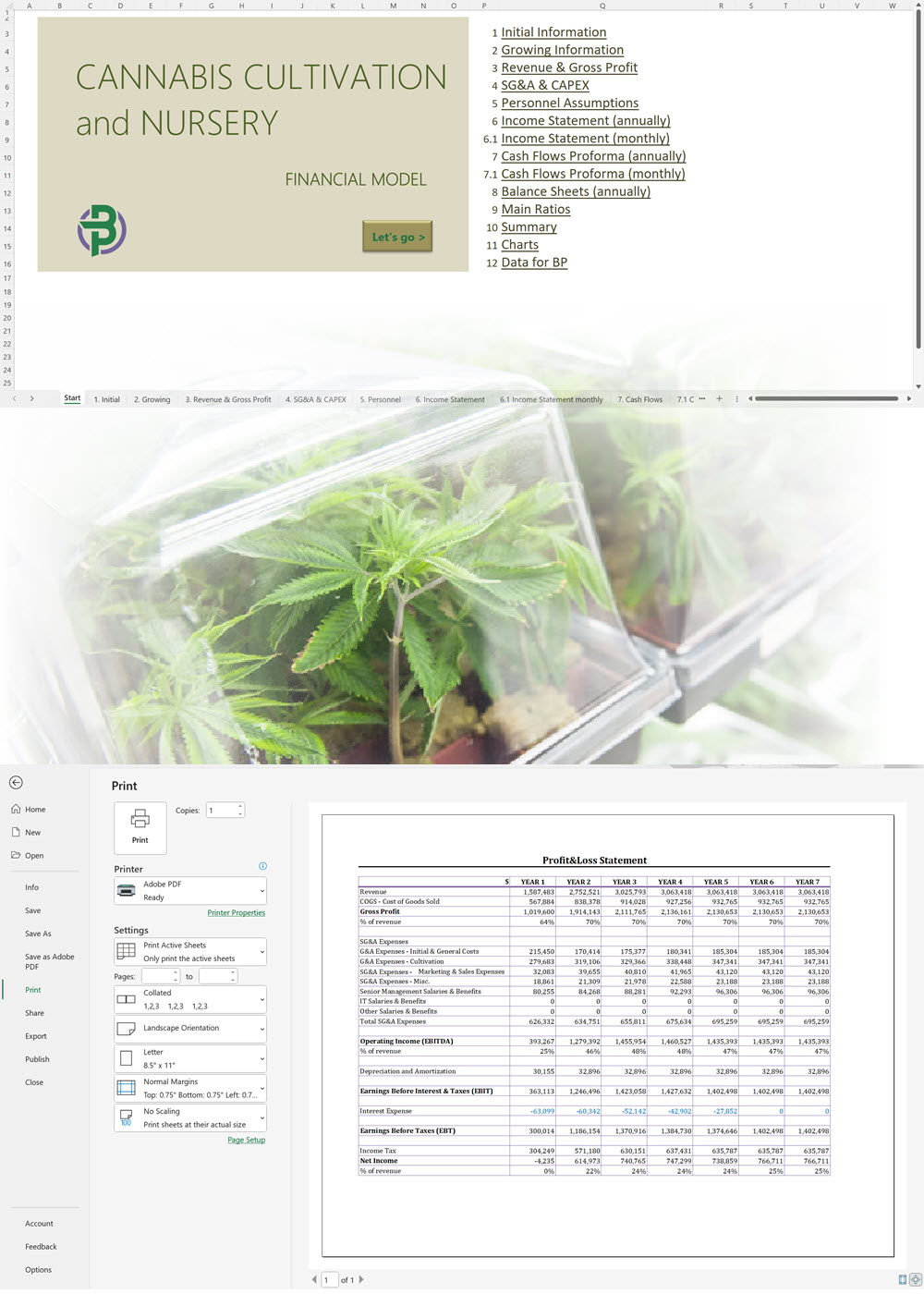
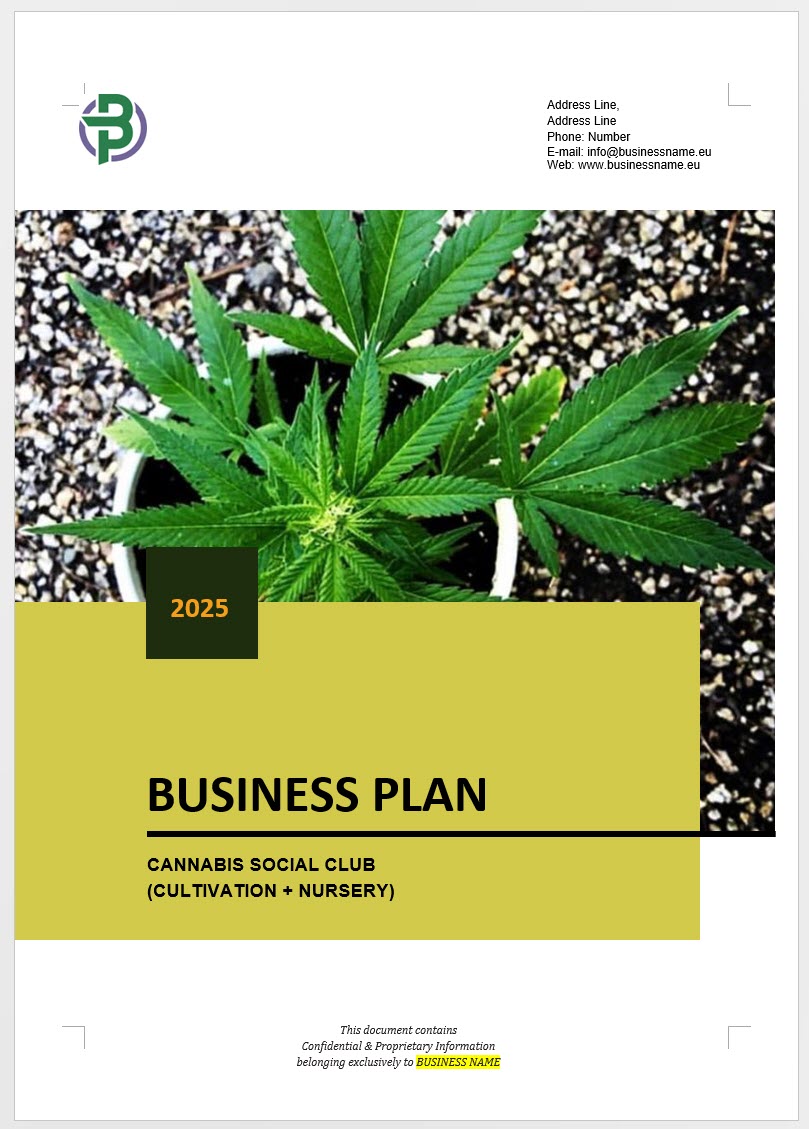
Cannabis Social Club (Cultivation + Nursery) Business Plan Template
Price range: €75 through €350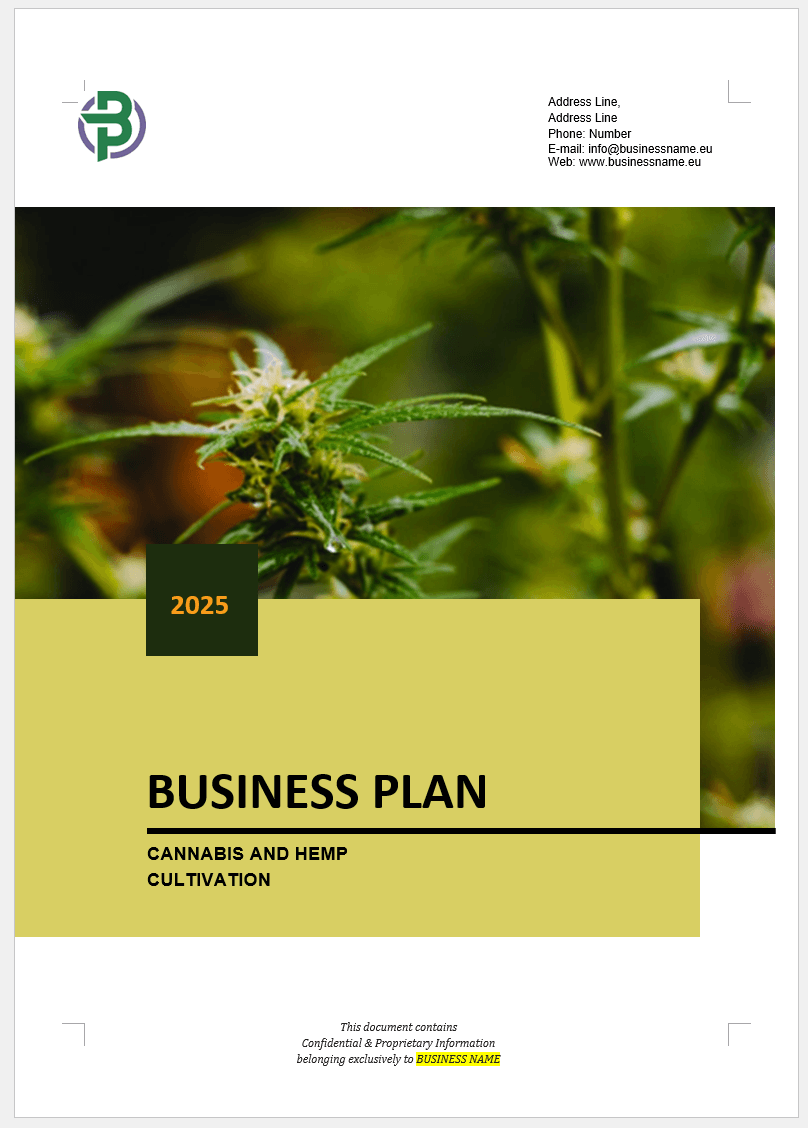
Cannabis and Hemp Cultivation Business Plan Template
Price range: €75 through €350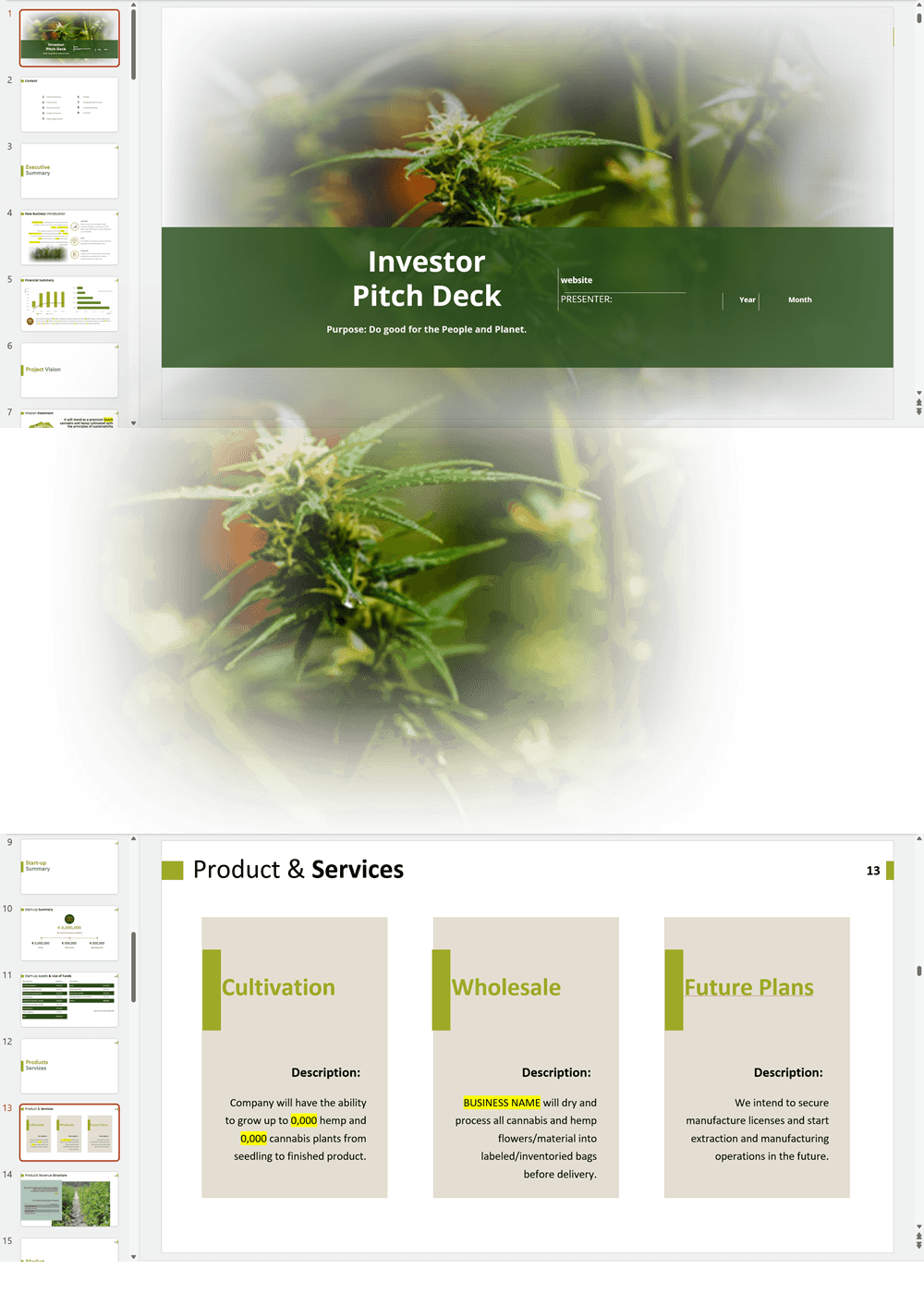
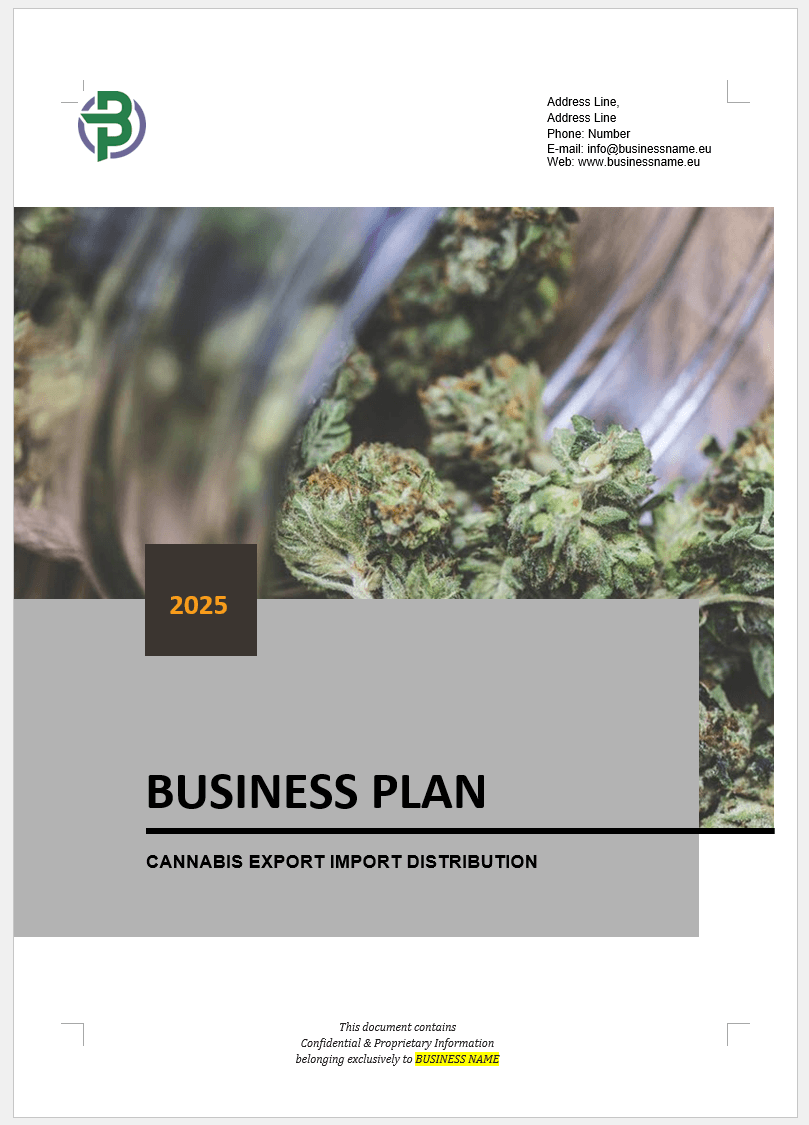
Cannabis Export Import Distribution Business Plan Template
Price range: €75 through €350