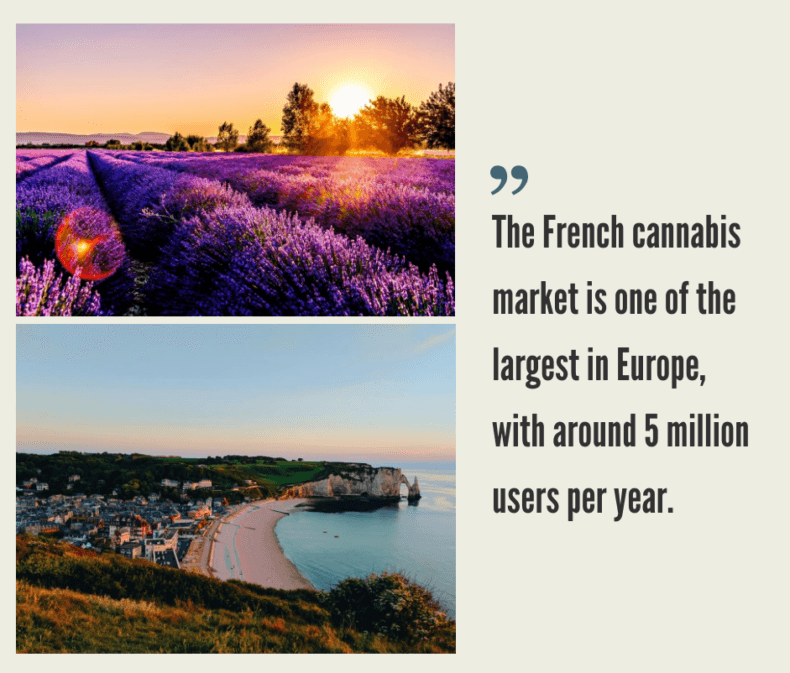
Hemp Legalization in France
Unlike some other European countries, France never made hemp production illegal and the French National Federation of Hemp Producers (FNPC), established in 1932, is one of the oldest French agricultural organizations. In 2004, regulations in France and Europe were matched and these harmonized regulations establish that the cultivation and commercial use of Cannabis sativa L. plants is allowed if the plant has less than 0.2% THC. The THC limit was raised to 0.3% by the EU in 2023 and the new limit applies in France as well. The variety of hemp grown by producers must be on the official EU species list and authorized by the French government. A list of approved hemp varieties can be found here.
Previously, a French ministerial order stated that hemp could only be harvested, imported or used for industrial purposes in France. Sale of hemp flowers and leaves to consumers was illegal. However, in December 2022, this ban was overturned by the French Council of State; it established that products made with hemp flowers and leaves with less than 0.3% THC are legal for sale in France. Judges also removed the requirement for hemp farmers to have a contract with a buyer before they can begin production.
Only duly declared active farmers can cultivate hemp. This cultivation declaration must be made to the DDTM (Direction Départementale des Territoires et de la Mer). In addition, the geographic location of the hemp plantation must be declared to the gendarmerie (a military force with law enforcement duties in France) and the FNPC.
French Hemp Market
The area dedicated for hemp production increased steadily from a little over 10,000 hectares in 2014 to more than 18,000 hectares in 2017. This number declined to around 16,500 hectares in 2018 and 15,000 hectares in 2019. However, in 2020, there was an increase, around 1,300 French producers cultivated 17,000 hectares of hemp which supplied six hemp cooperatives. In 2021, France was the third biggest hemp producer in the world and the biggest producer in Europe.
The French hemp industry harvests around 141,000 tons of defibered straw and 17,000 tons of seeds each year. In 2022, 19,500 hectares were dedicated to hemp cultivation, around 37% of total hemp production in Europe. France also accounted for 60% of the total hemp fiber production in 2022, establishing itself as the largest producer in Europe.
France focuses on the production of hemp fiber that is used to make textiles, bio-sourced plastics (these can have large-scale applications; in the automotive industry for example) and paper production. In 2021, France produced 141,460 tons of fiber hemp. In 2022, this number fell slightly to 121,720 tons. Of France’s total hemp fiber production in 2022, 10% was for the textile market.
Hemp production decreased slightly to 19,450 hectares in 2023 but InterChanvre (a trade association which promotes and develops the French hemp industry) estimates that in 2024, this number will increase to 23,000 hectares. There were 1,700 producers in 2023.
There are currently 7 hemp processors in France supplied by hemp growers with whom they usually sign 3-5 year supply contracts.
A report by the USDA (United States Department of Agriculture) estimates that if the current trend continues, hemp production in France could reach 25,000-30,000 hectares in 2030.
While in 2021/2022, exports of hemp from France were very low, in 2022/2023 there was a sharp increase to 21,460 tones.
According to Article 189 Regulation (EU) 1308/2013, an import license is required for all imports of hemp.
Hemp-derived CBD Products in France
In 2020, the Court of Justice of the European Union ruled that CBD extracted from the Cannabis sativa plant is not a “narcotic” as it has no psychotropic effect and no harmful effect on human health based on the scientific data available.
In July 2021, the Cour de Cassation (highest court in the French judicial system) ruled that sale of CBD in France is legal if it was legally produced in another member state of the European Union. CBD products can only be sold to consumers older than 18.
Producers of CBD must declare their activity to the gendarmerie and the FNPC.
No license is required to sell CBD products in France. The only requirement is that the product must comply with the regulations.
Foods Containing CBD
In order to be able to use CBD in food, a Novel Food authorization must be received from the EU. The European Food Safety Authority (EFSA) has published guidelines on how to submit applications for novel foods. Here are the main steps:
- Submit an online application to the European Commission.
- Once the application is received by the Commission, its validity is verified. The status of the application is updated in the e-submission system so the applicant can monitor the progress of their application.
- The EFSA will perform a scientific assessment on the risk and safety of CBD.
All the information required to be provided in the application for a novel food and the format in which it should be provided can be found in the administrative guidelines linked above. In 2022, the EFSA put the Novel Food authorization process on hold.
Cosmetics Containing CBD
In February 2021, CBD was included in the Cosmetic Ingredients database, making it a legal cosmetic ingredient in Europe. In order to be able to sell a cosmetic product containing CBD in European countries, including France, the product must be listed on the EU Cosmetic Products Notification Portal (CPNP).
French CBD Market Stats
According to a USDA report, in 2020, 11% of French people reported that they have used CBD products. The French CBD market was valued at around €131 million in 2020. This figure includes around €74 million in oils and €41 million in capsules. The report estimates that by 2030, the French CBD market will reach €450 million.
In 2021, there were nearly 400 CBD shops in France.
Source: hempcbdbusinessplans.com
'70% ready to go' business plan templates
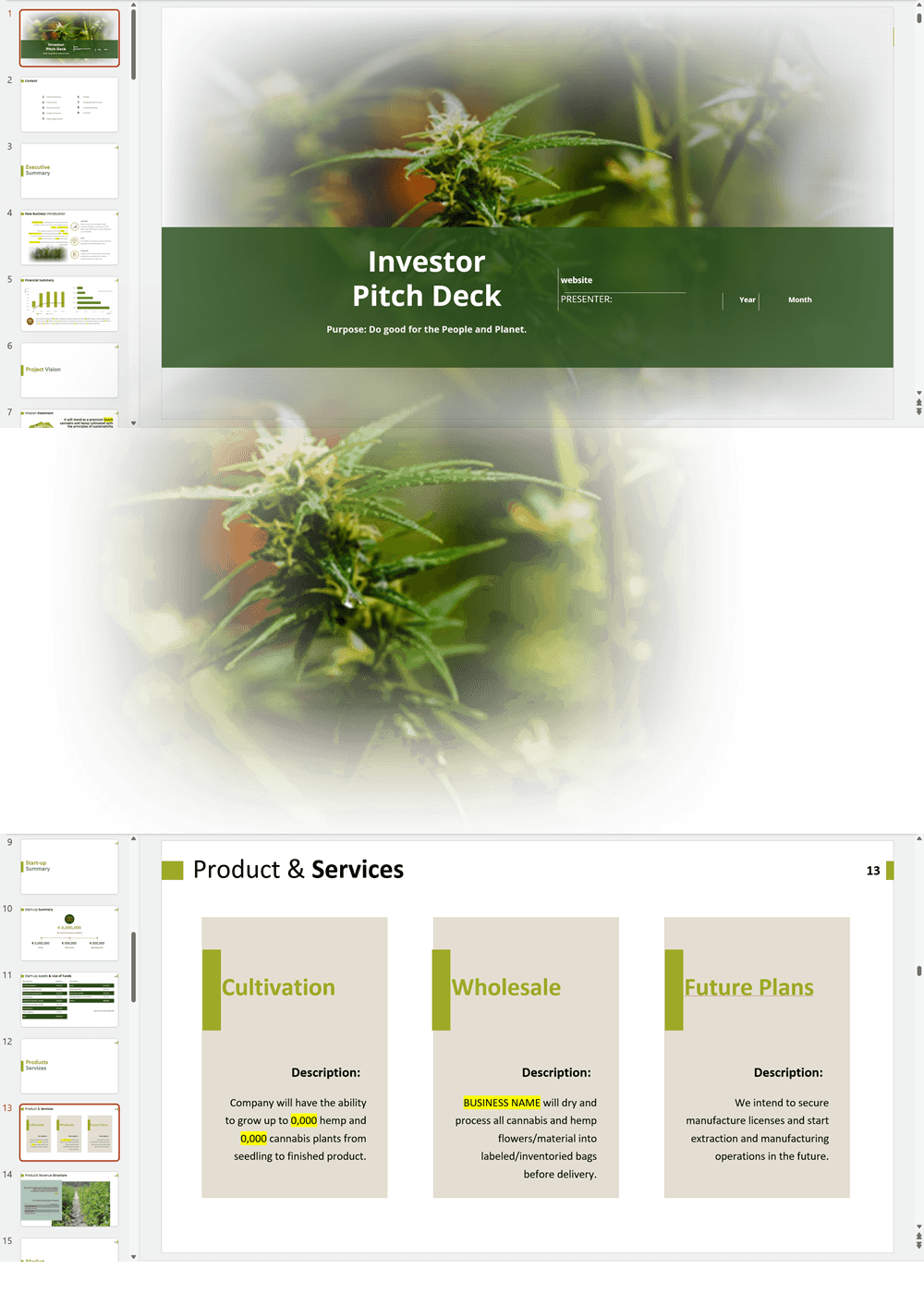
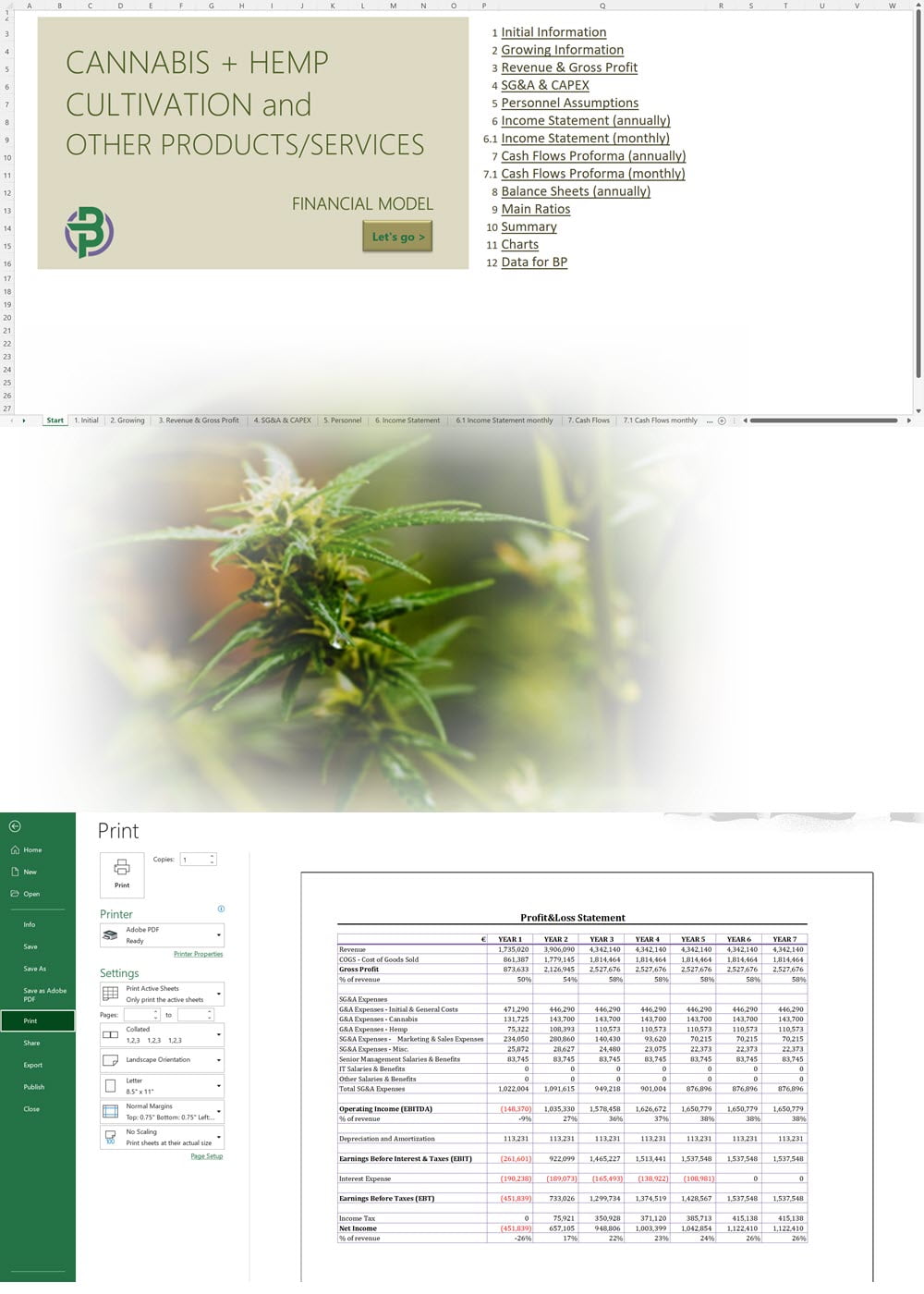
Our hemp/CBD financial models and business plan templates will help you estimate how much it costs to start and operate your own hemp/CBD business, to build all revenue and cost line-items monthly over a flexible seven year period, and then summarize the monthly results into quarters and years for an easy view into the various time periods. We also offer investor pitch deck templates.
Best Selling Hemp Templates
-

Hemp Cultivation + CBD Oil Extraction and/or Fiber Products Financial Model
€150 Select options This product has multiple variants. The options may be chosen on the product page -
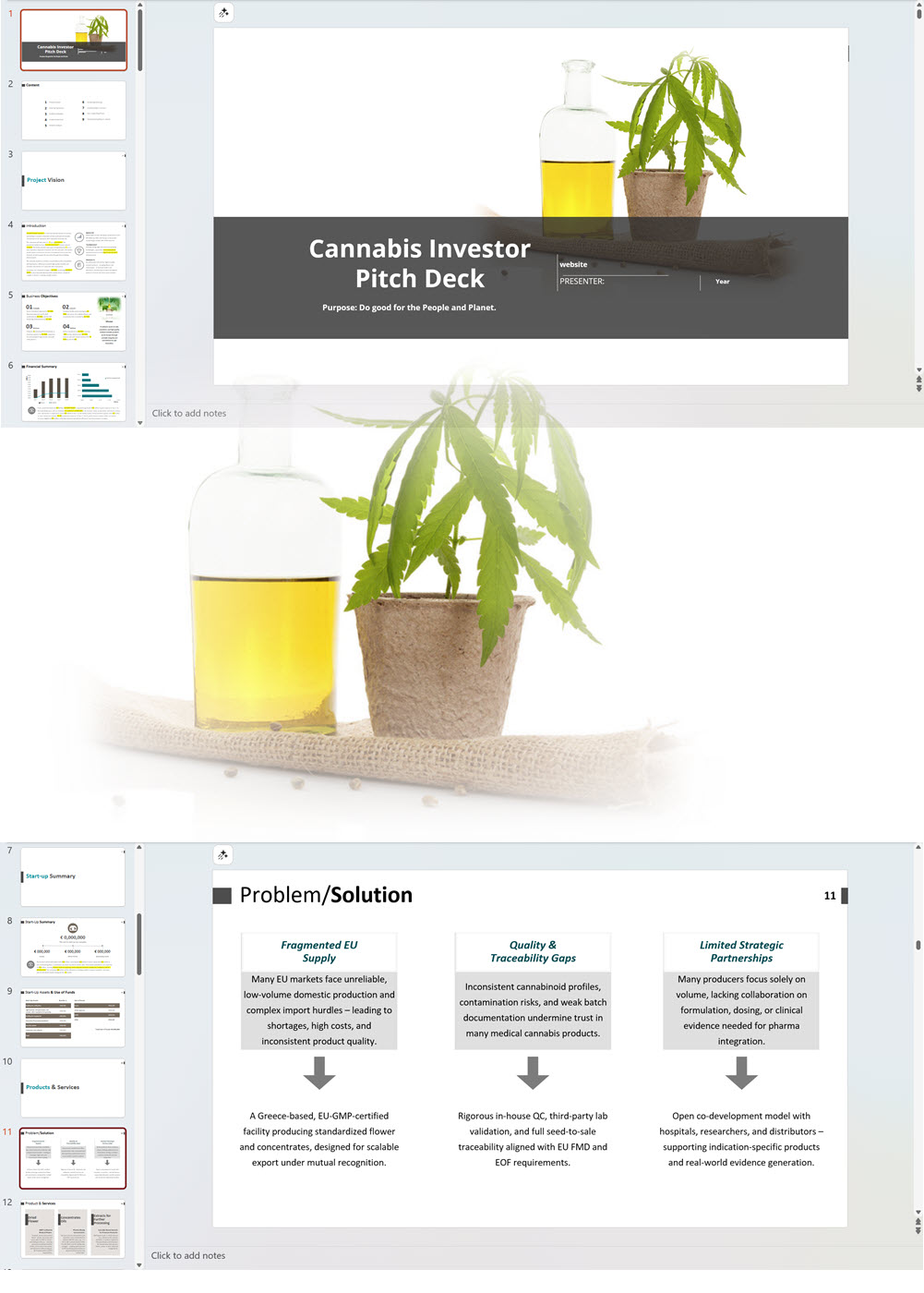
CBD Retail Investor Pitch Deck Template
€70 Select options This product has multiple variants. The options may be chosen on the product page -

Cannabis and Hemp Vertically Integrated Business Plan Template
Price range: €100 through €550 Select options This product has multiple variants. The options may be chosen on the product page
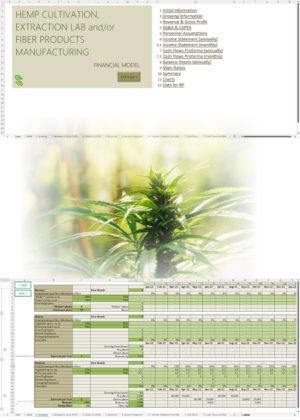
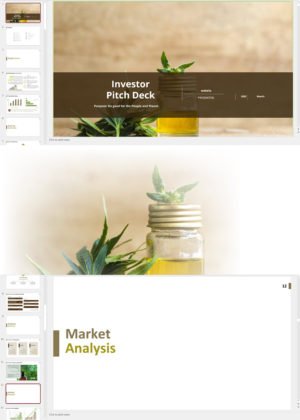
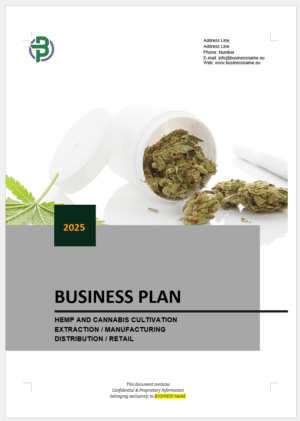
For more information on the hemp industry and hemp/CBD business plan templates, visit hempcbdbusinessplans.com.
Our Templates
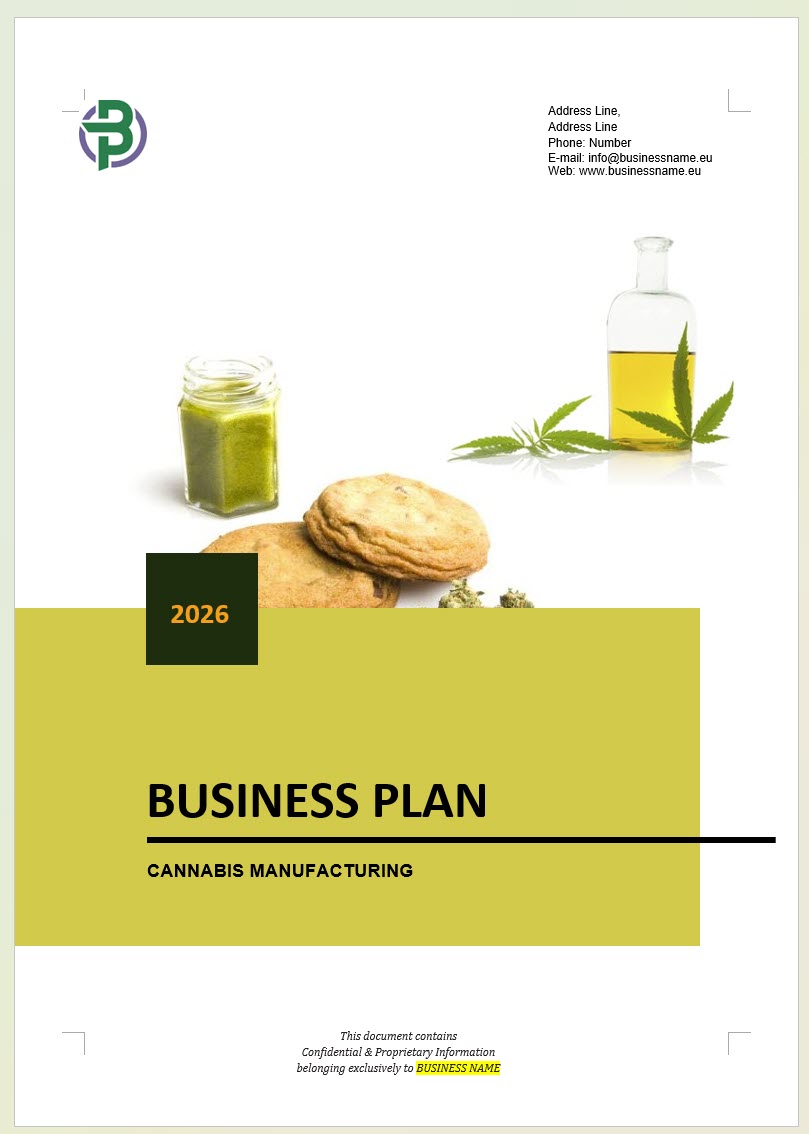
Cannabis Manufacturing Business Plan Template (in-house processing)
Price range: €70 through €250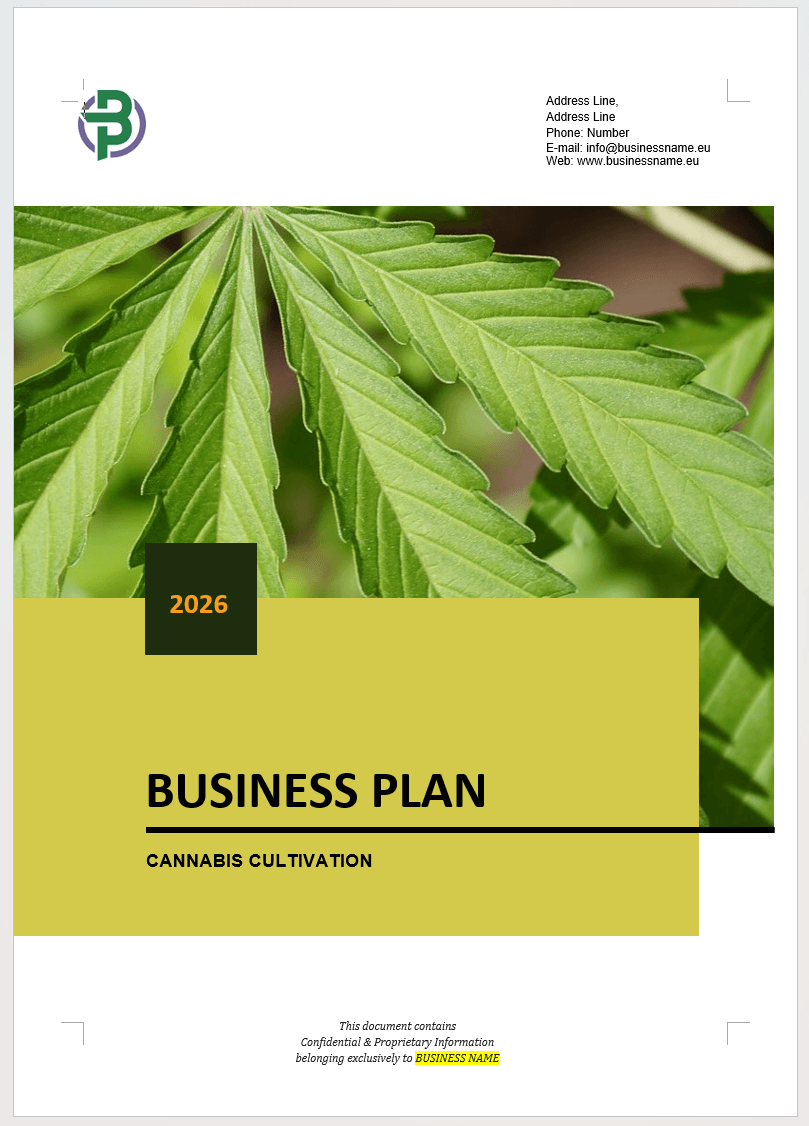
Cannabis Cultivation Business Plan Template
Price range: €75 through €350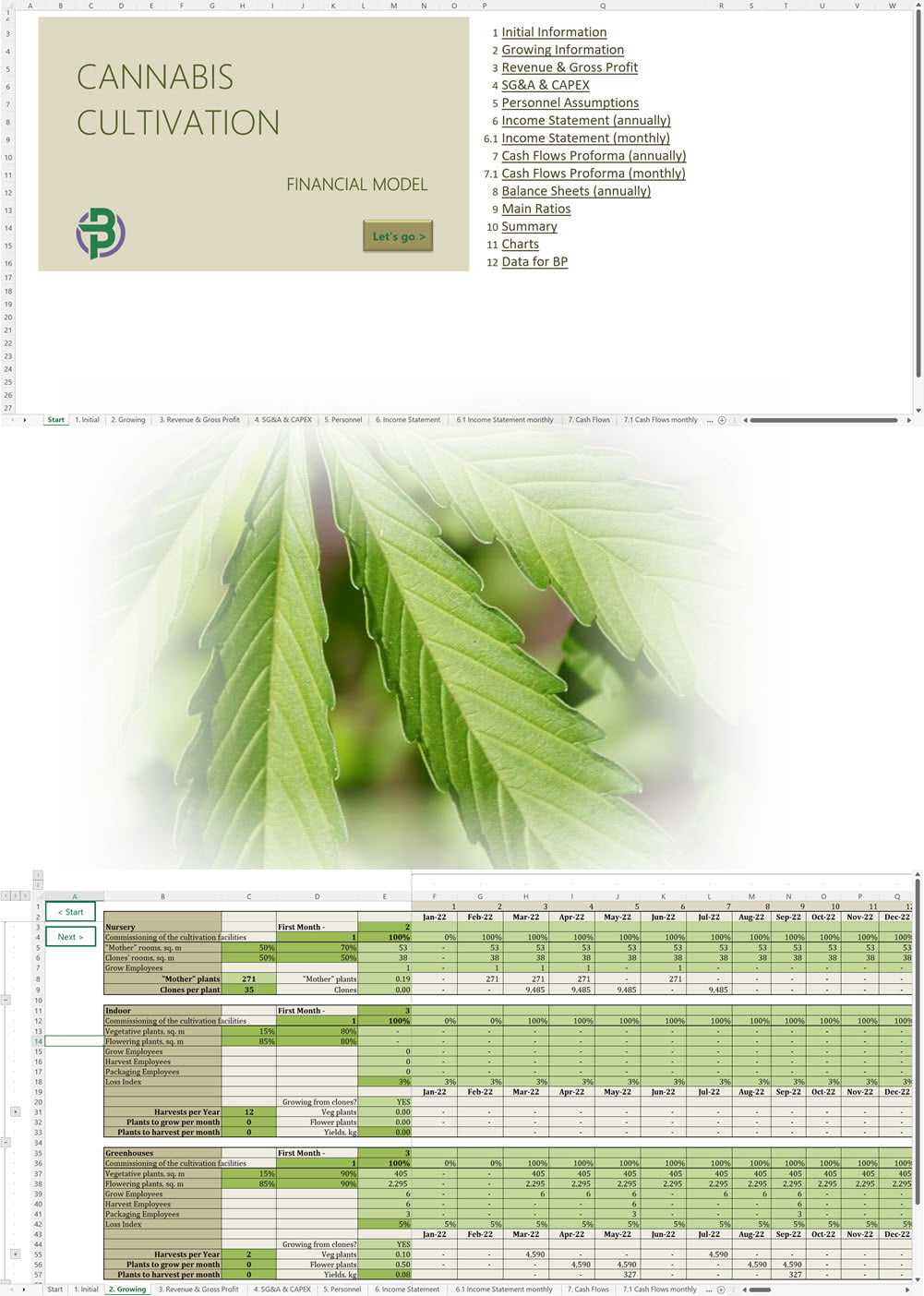
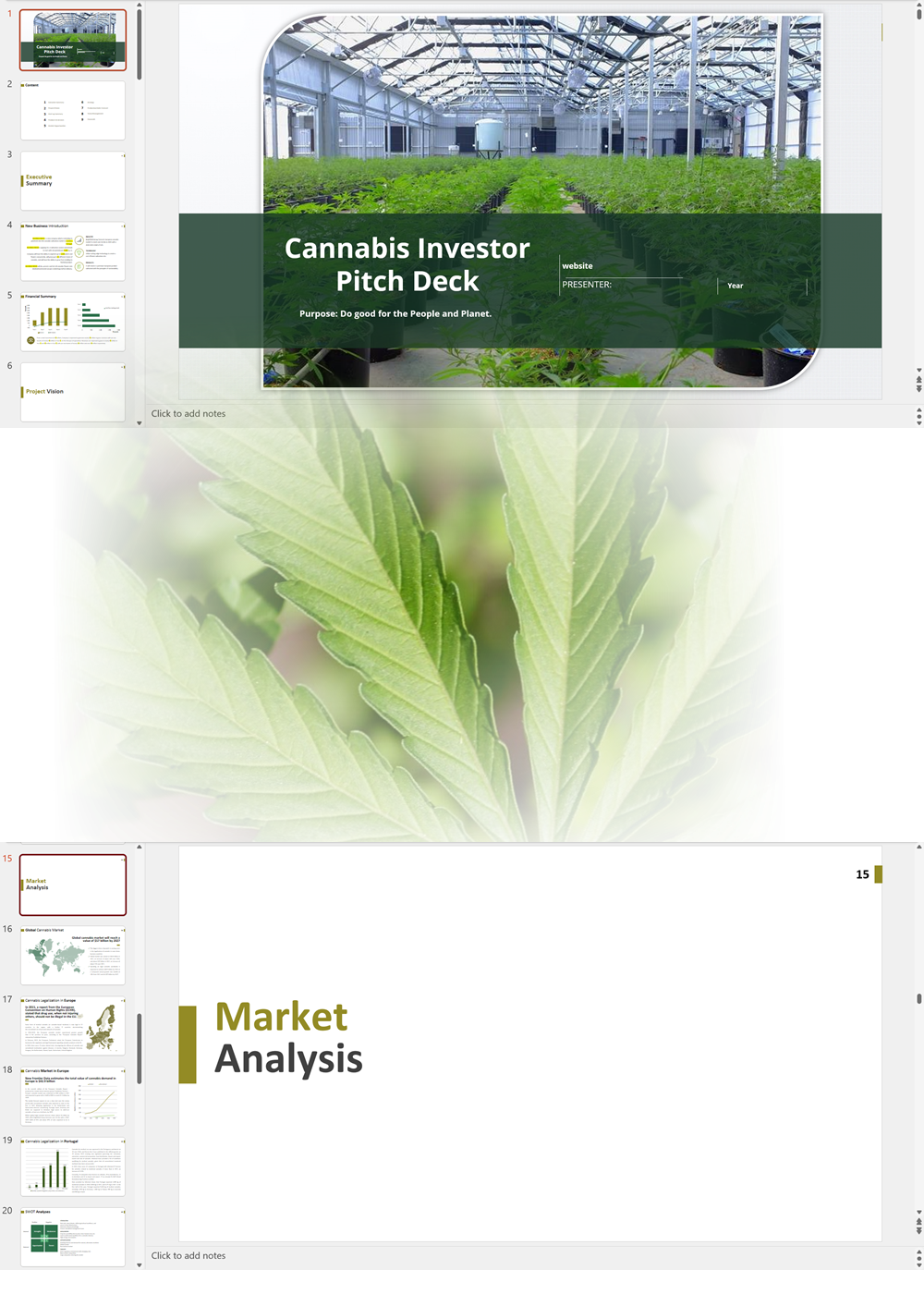
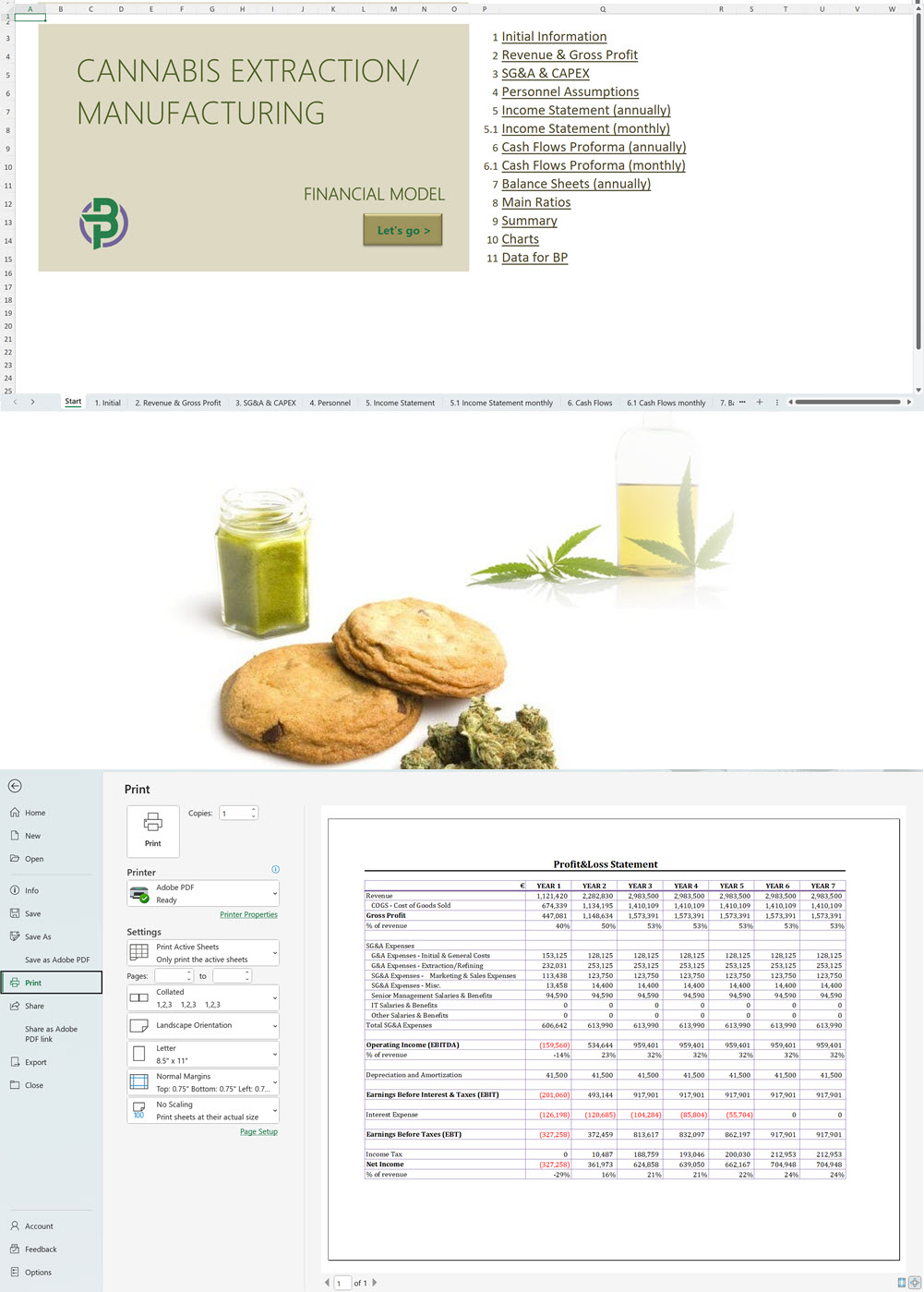
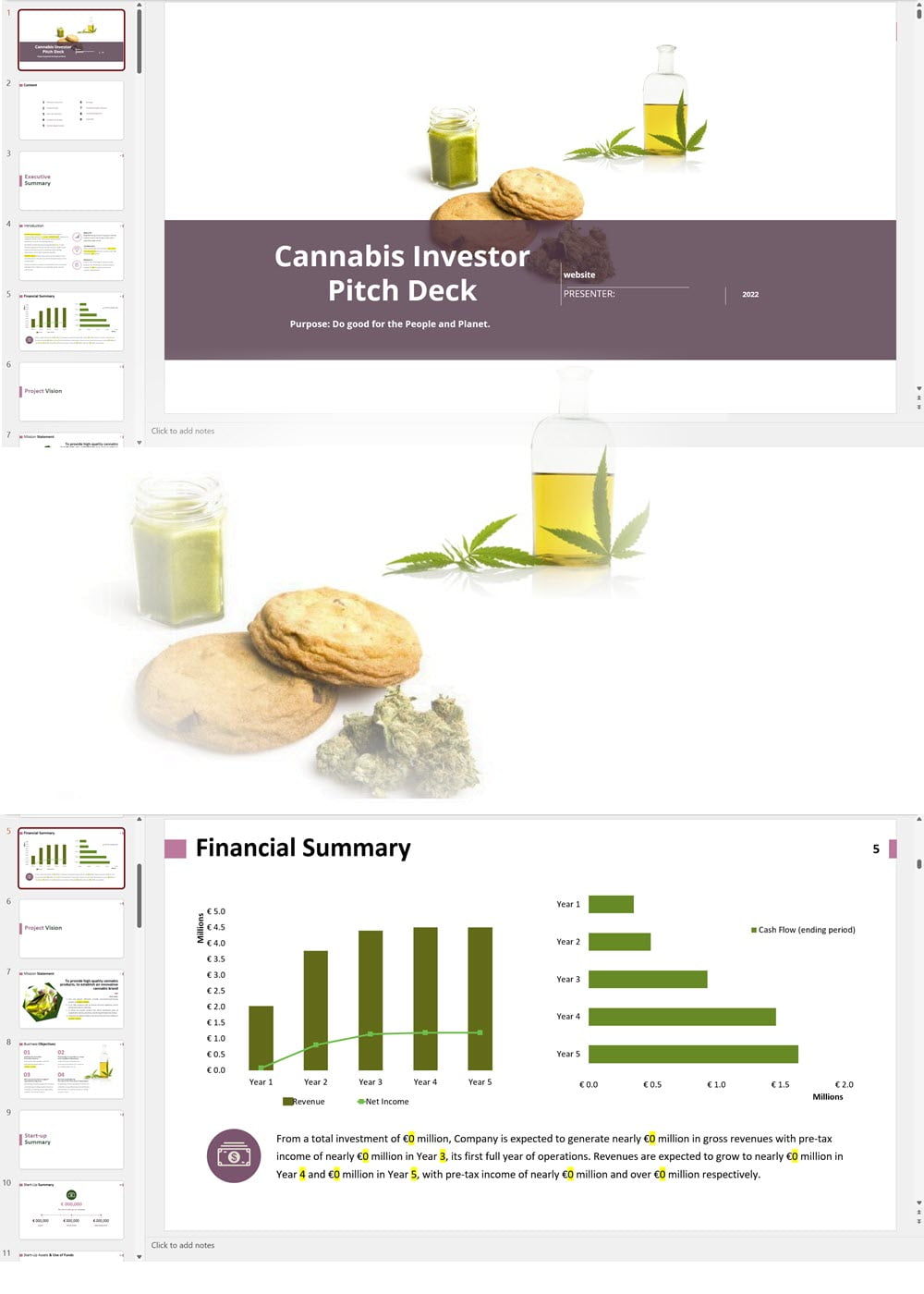
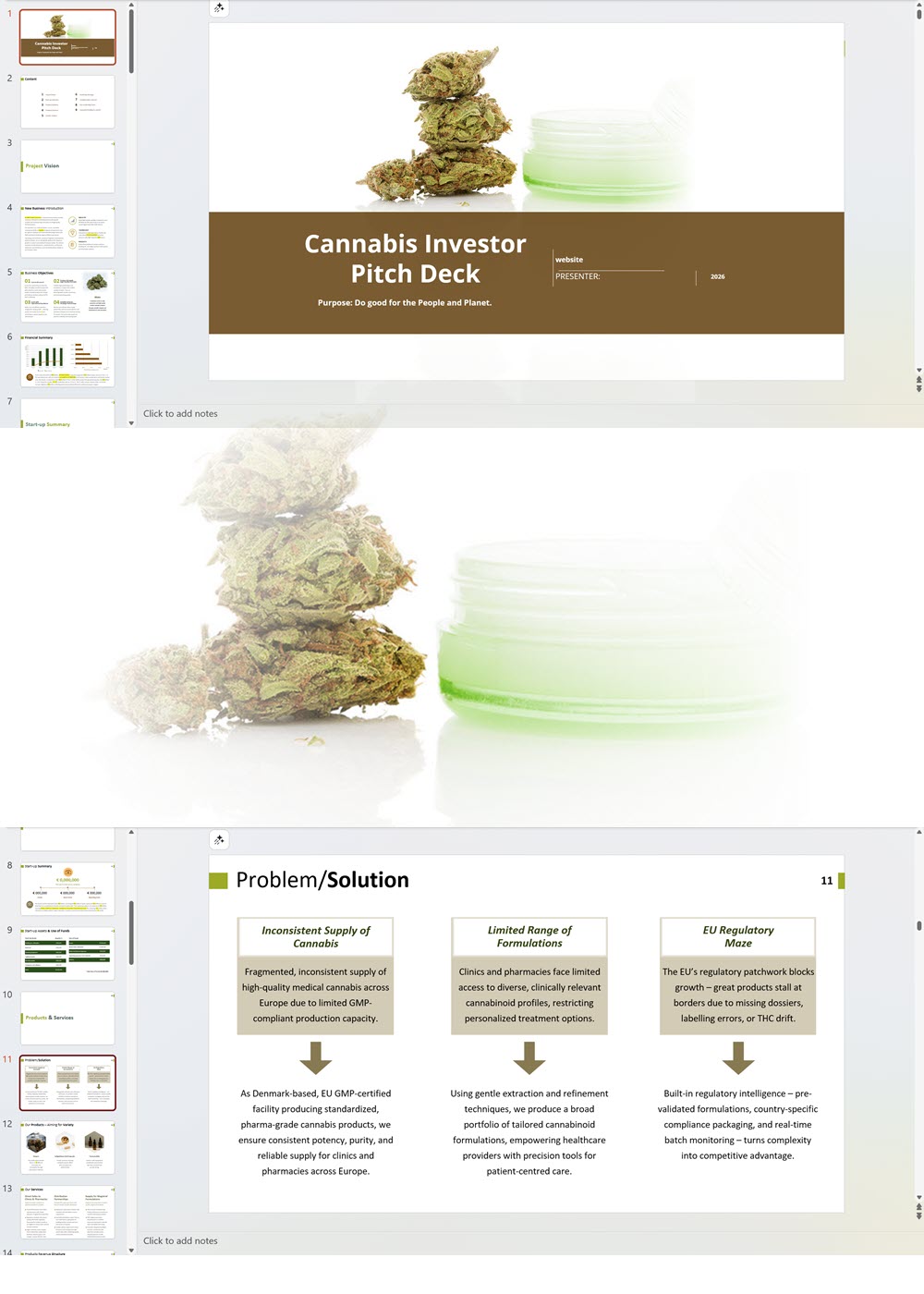
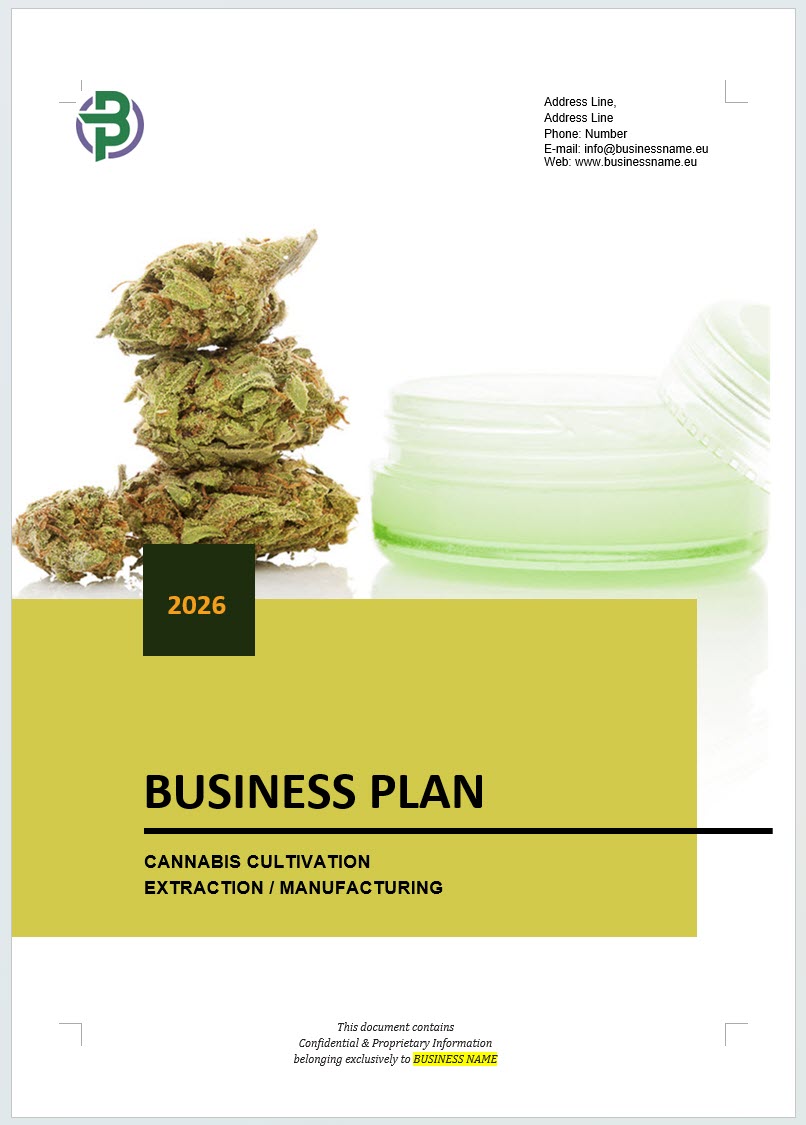
Cannabis Cultivation + Extraction + Manufacturing Business Plan Template
Price range: €70 through €385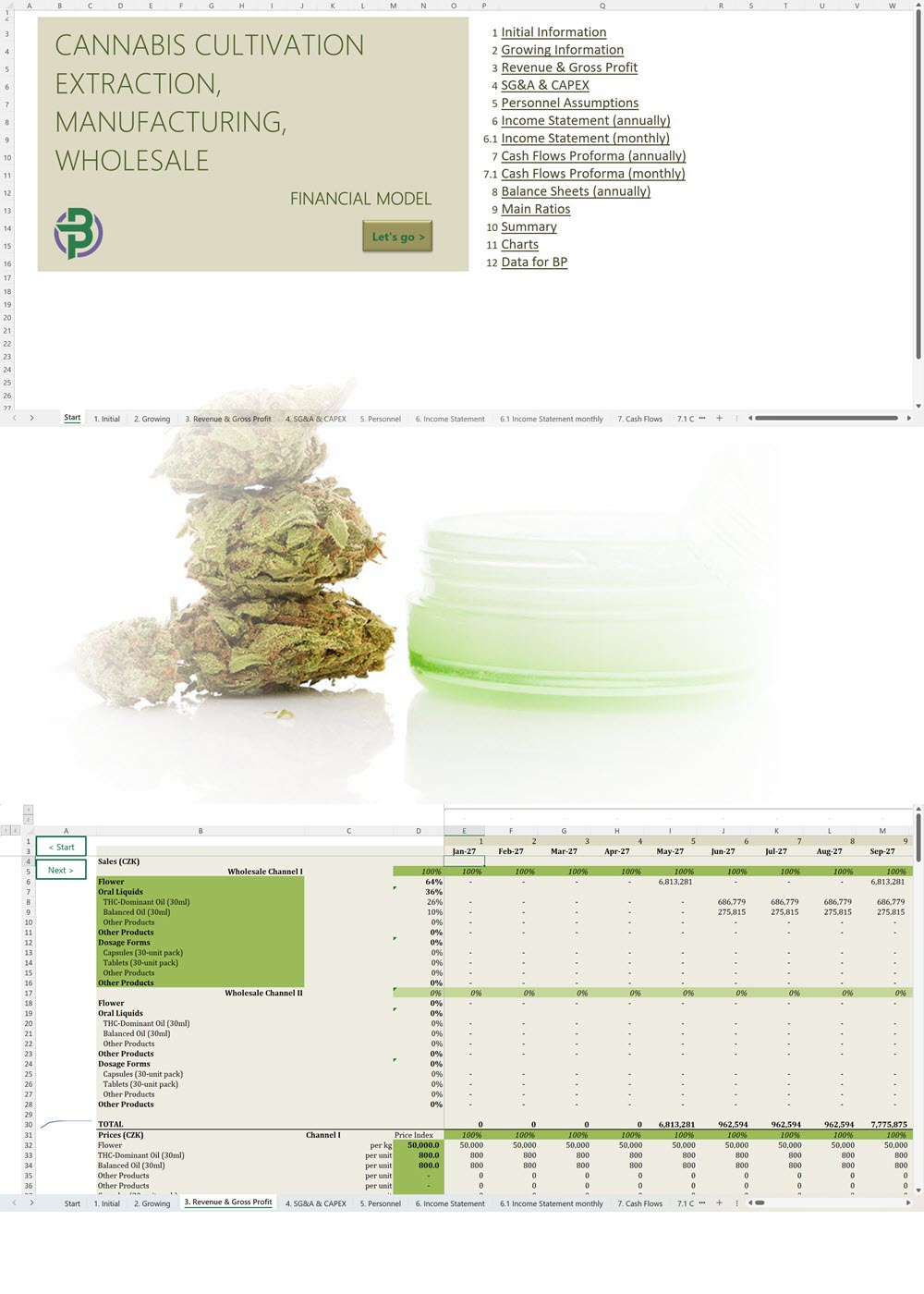
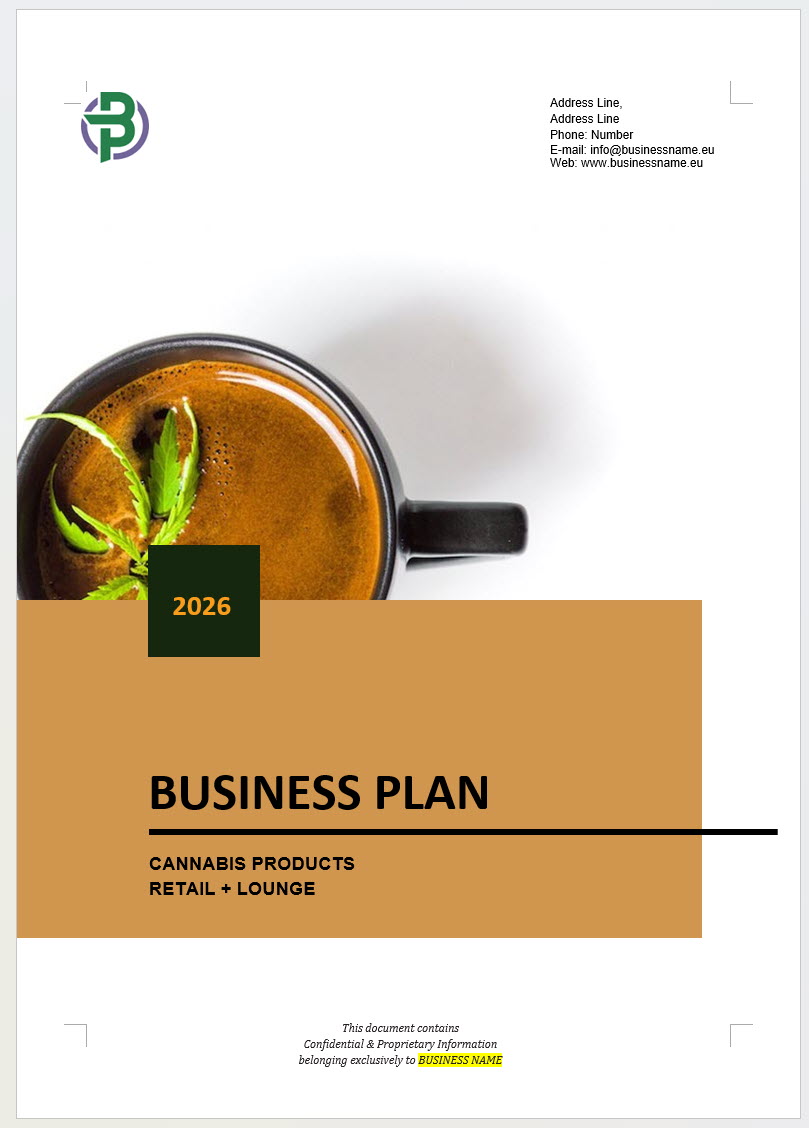
Cannabis Lounge + Retail Business Plan Template
Price range: €75 through €350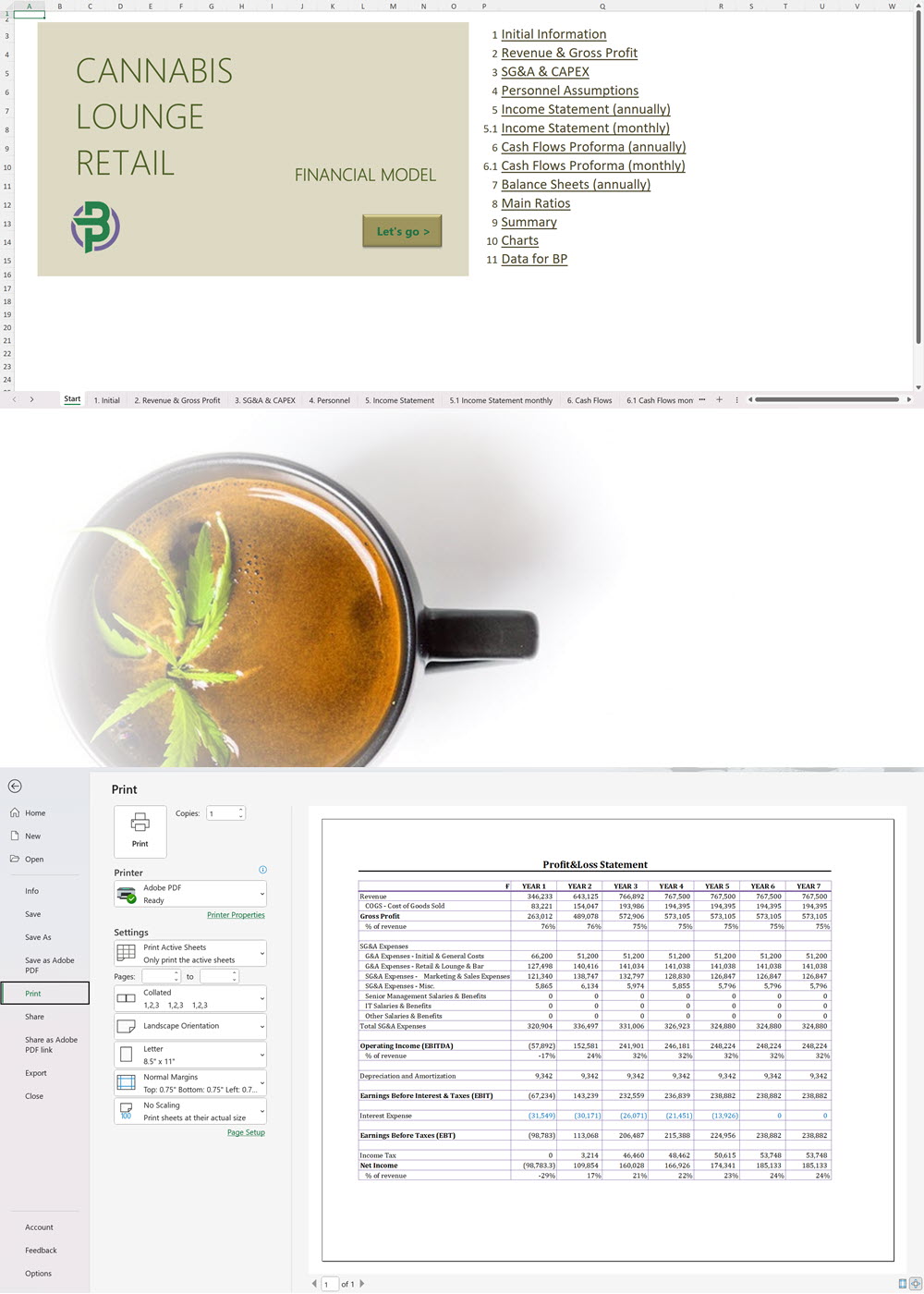
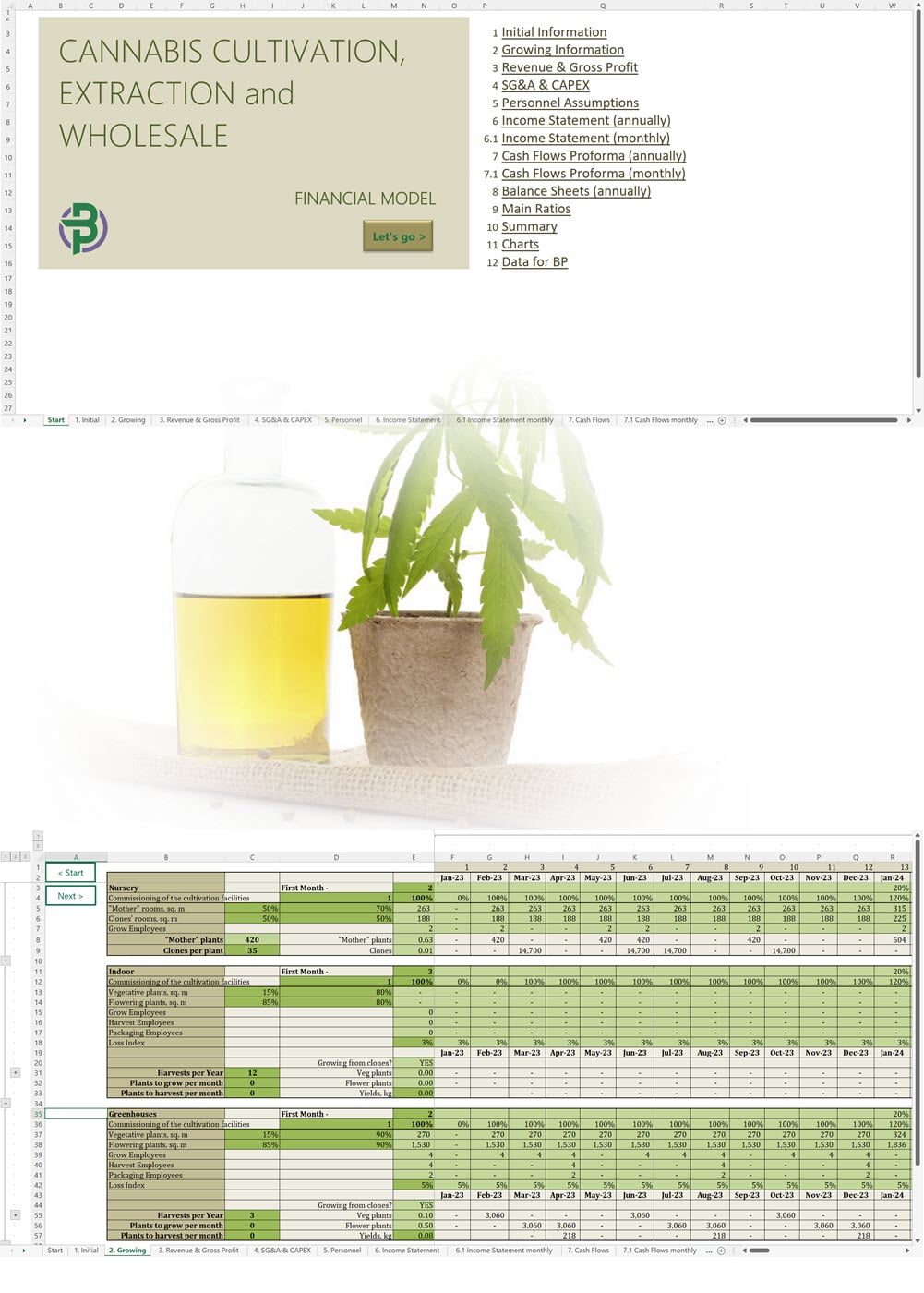
Cannabis Cultivation and Extraction / Concentrates Business Plan Template
Price range: €75 through €450
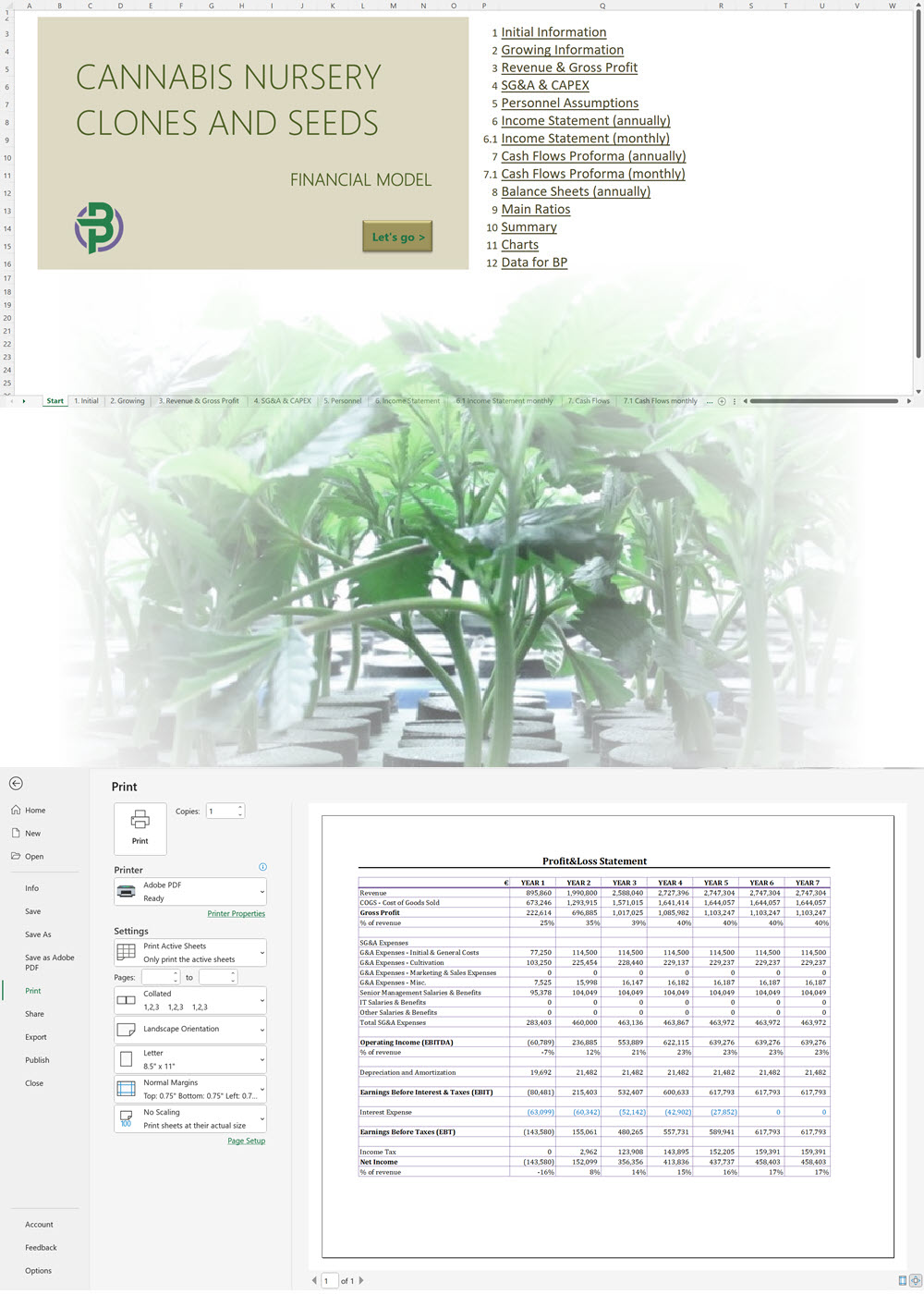
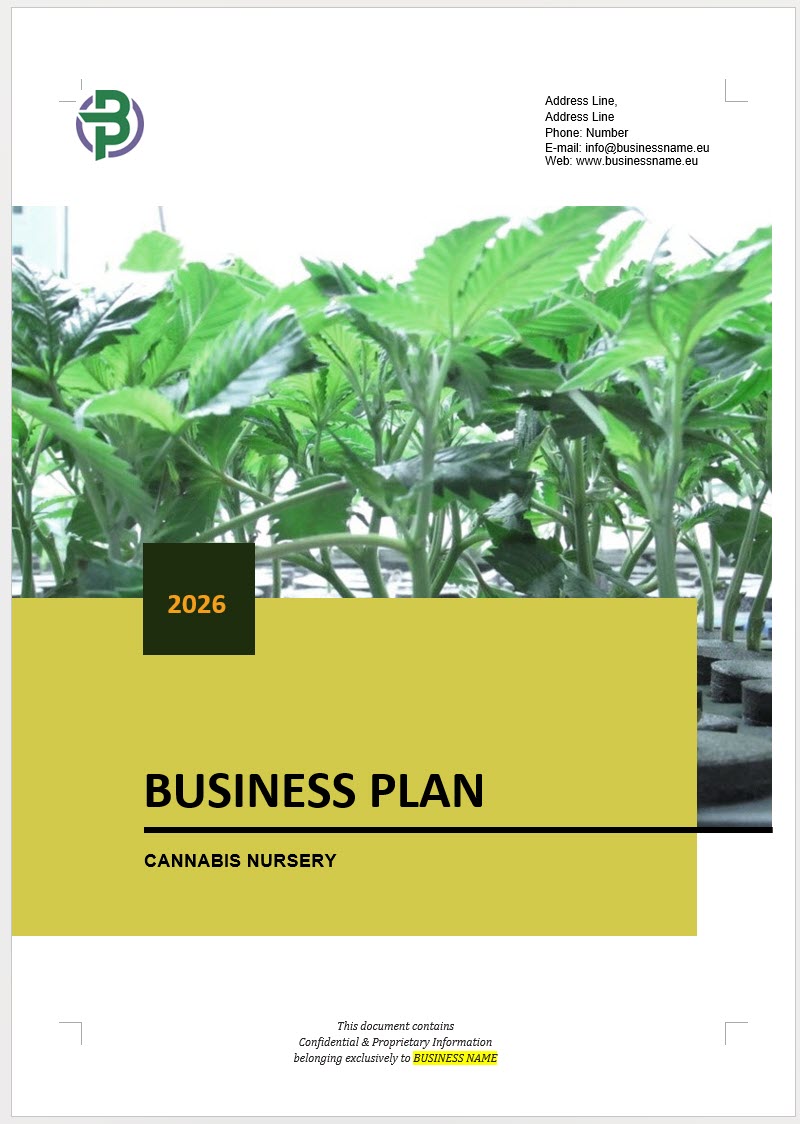
Cannabis Clones/Seeds Nursery Business Plan Template
Price range: €75 through €350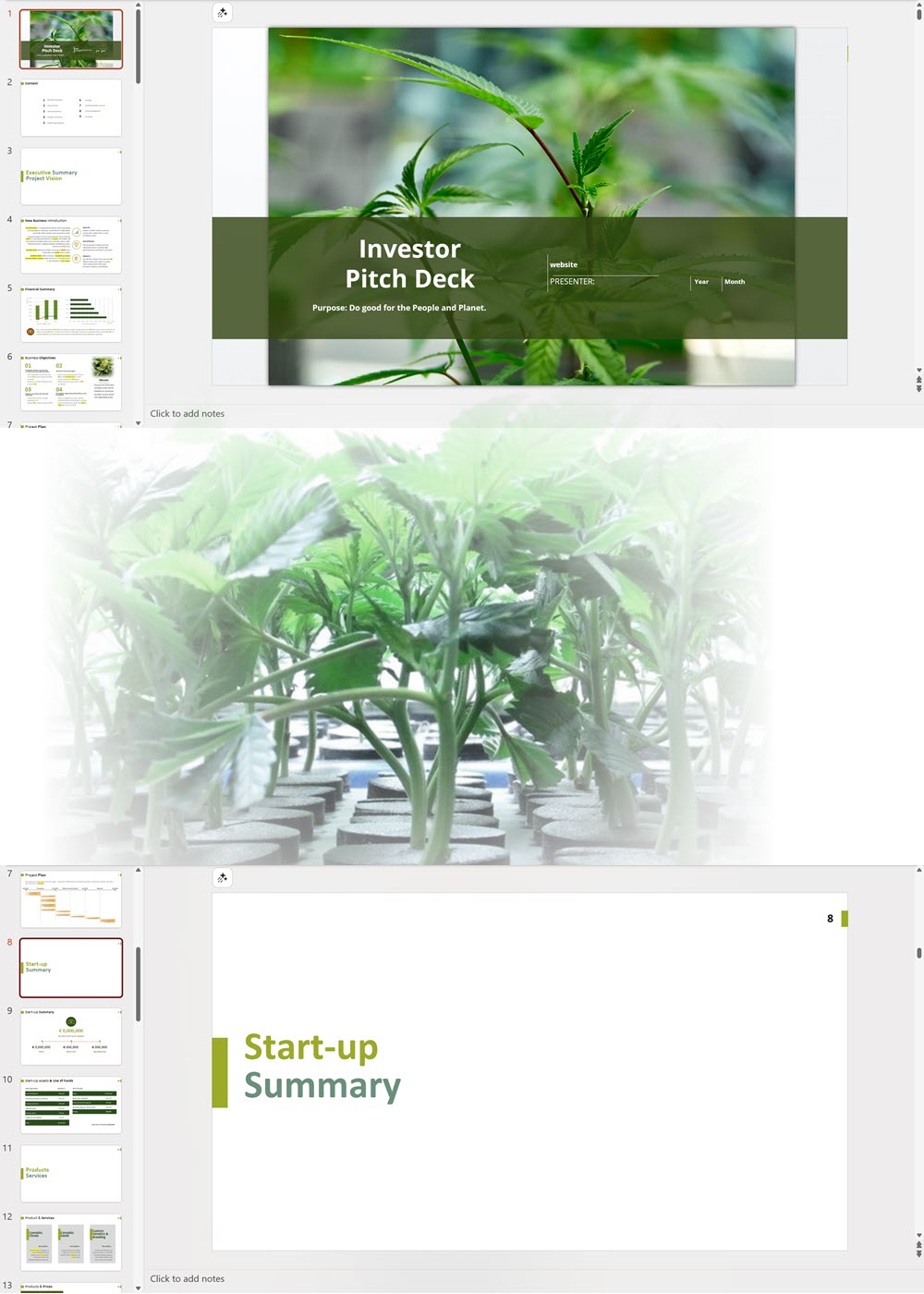
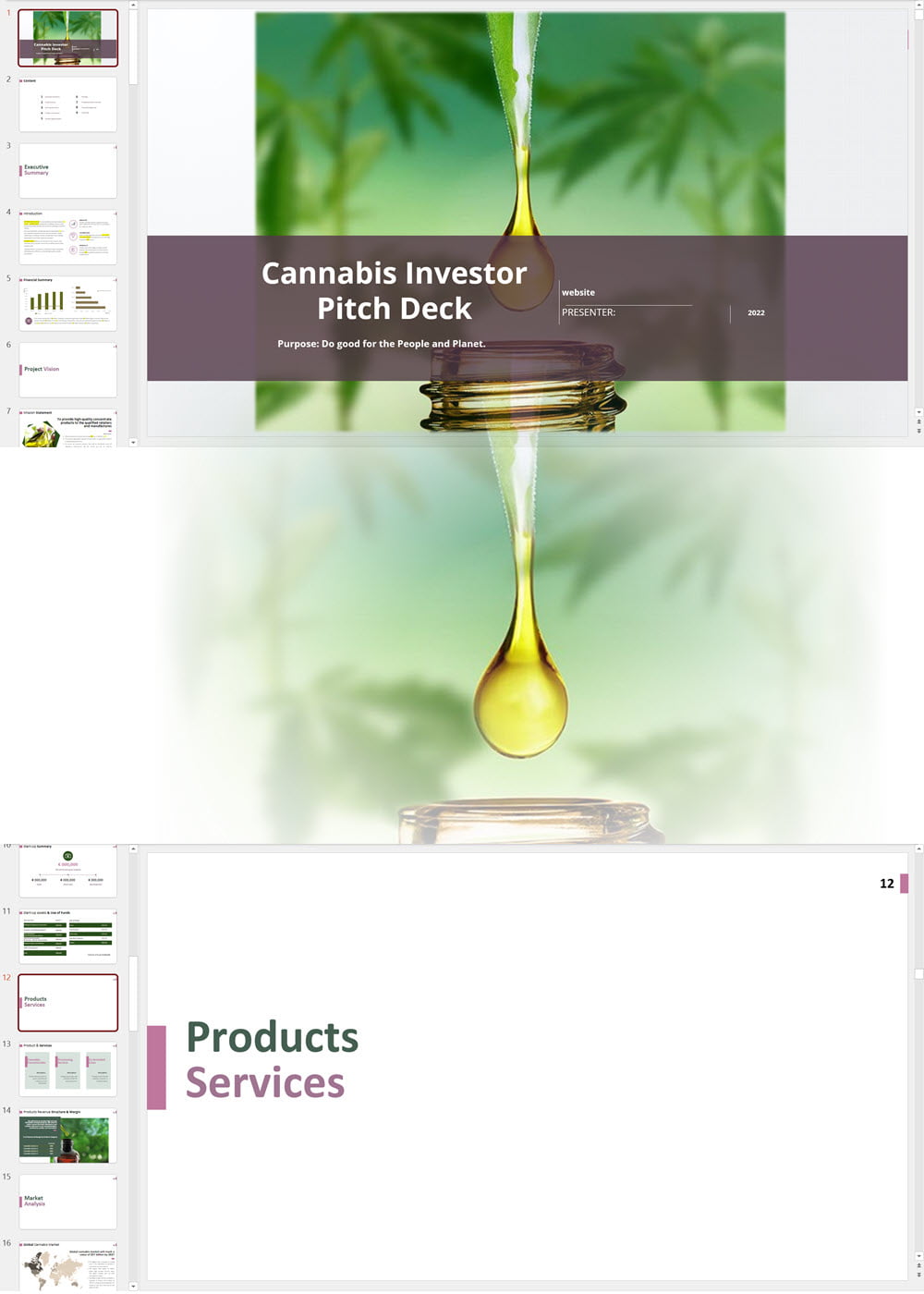
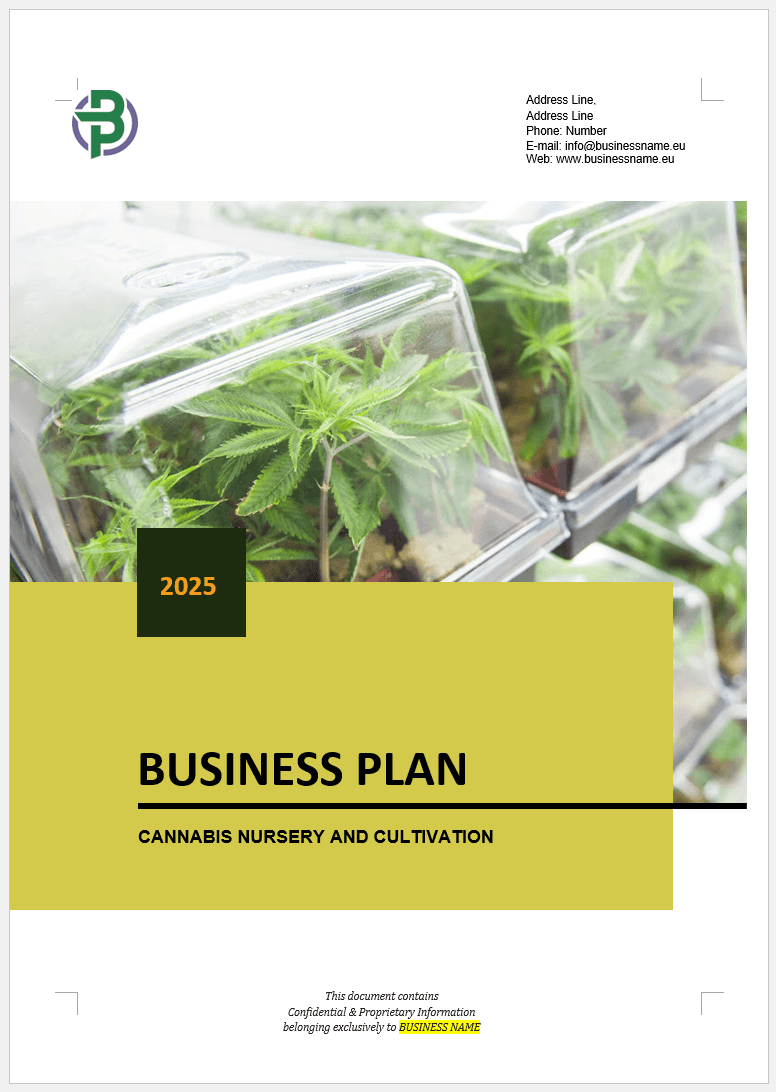
Cannabis Cultivation + Nursery Business Plan Template
Price range: €75 through €350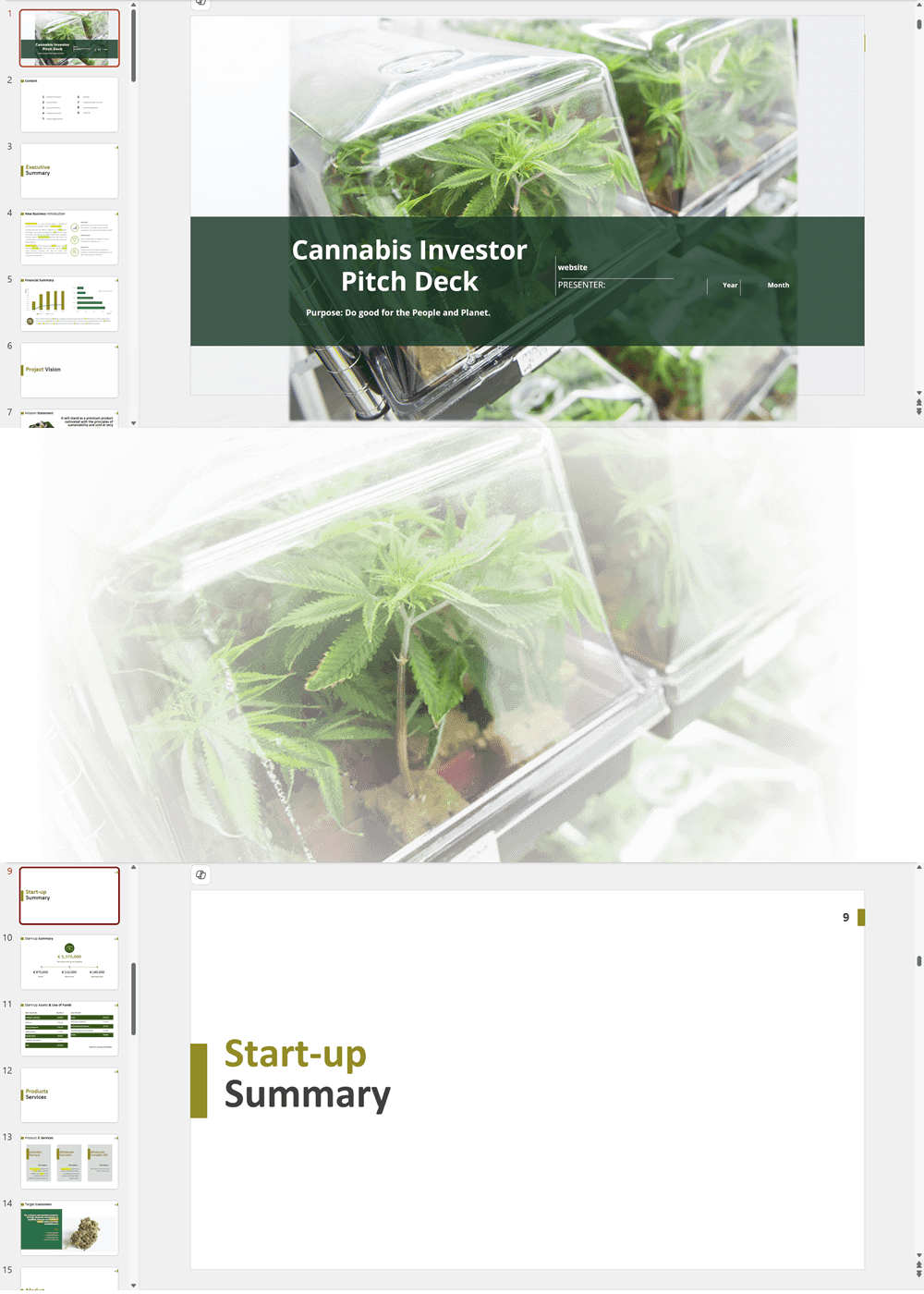
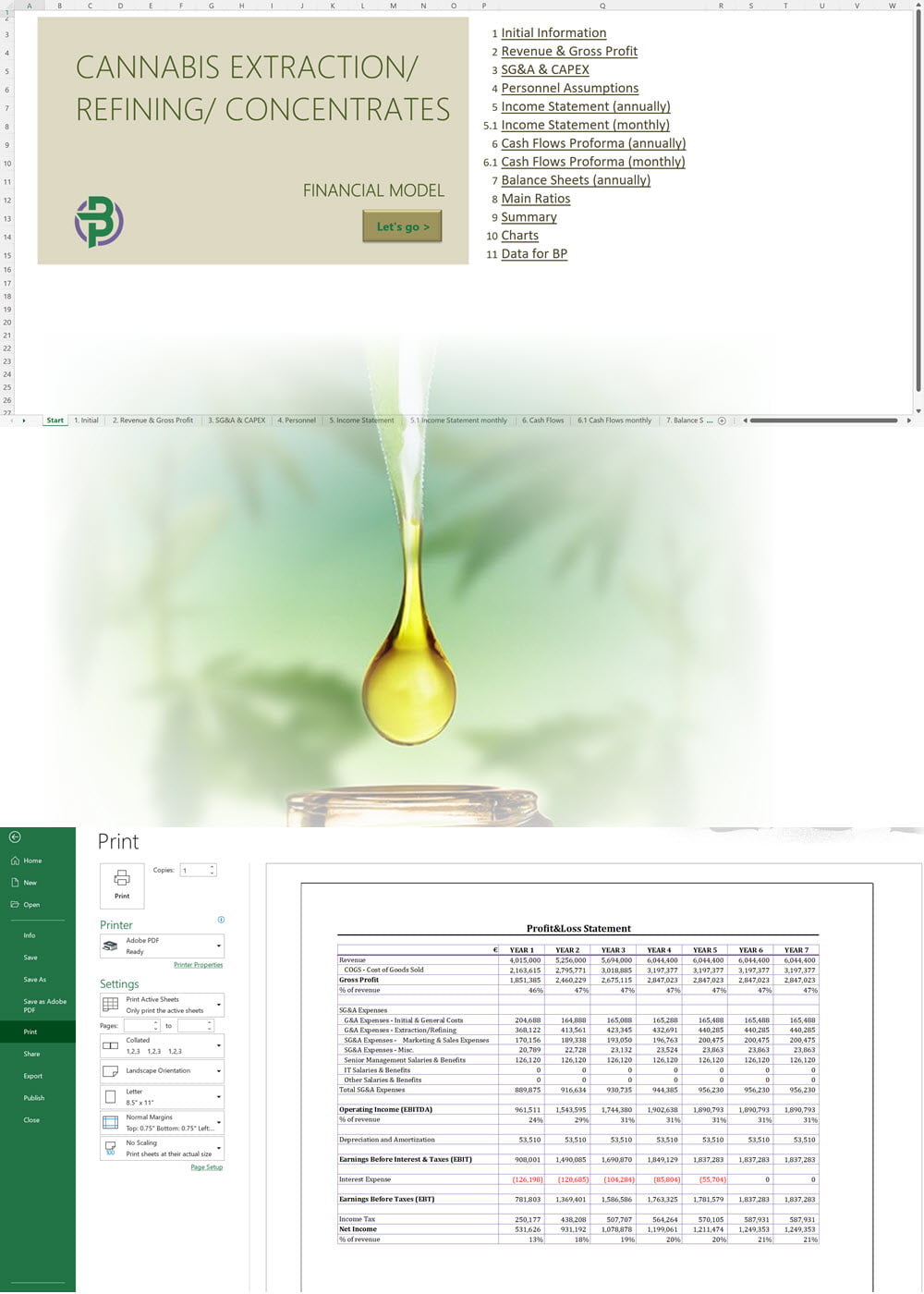
Cannabis Extraction/Concentrates Business Plan Template
Price range: €75 through €350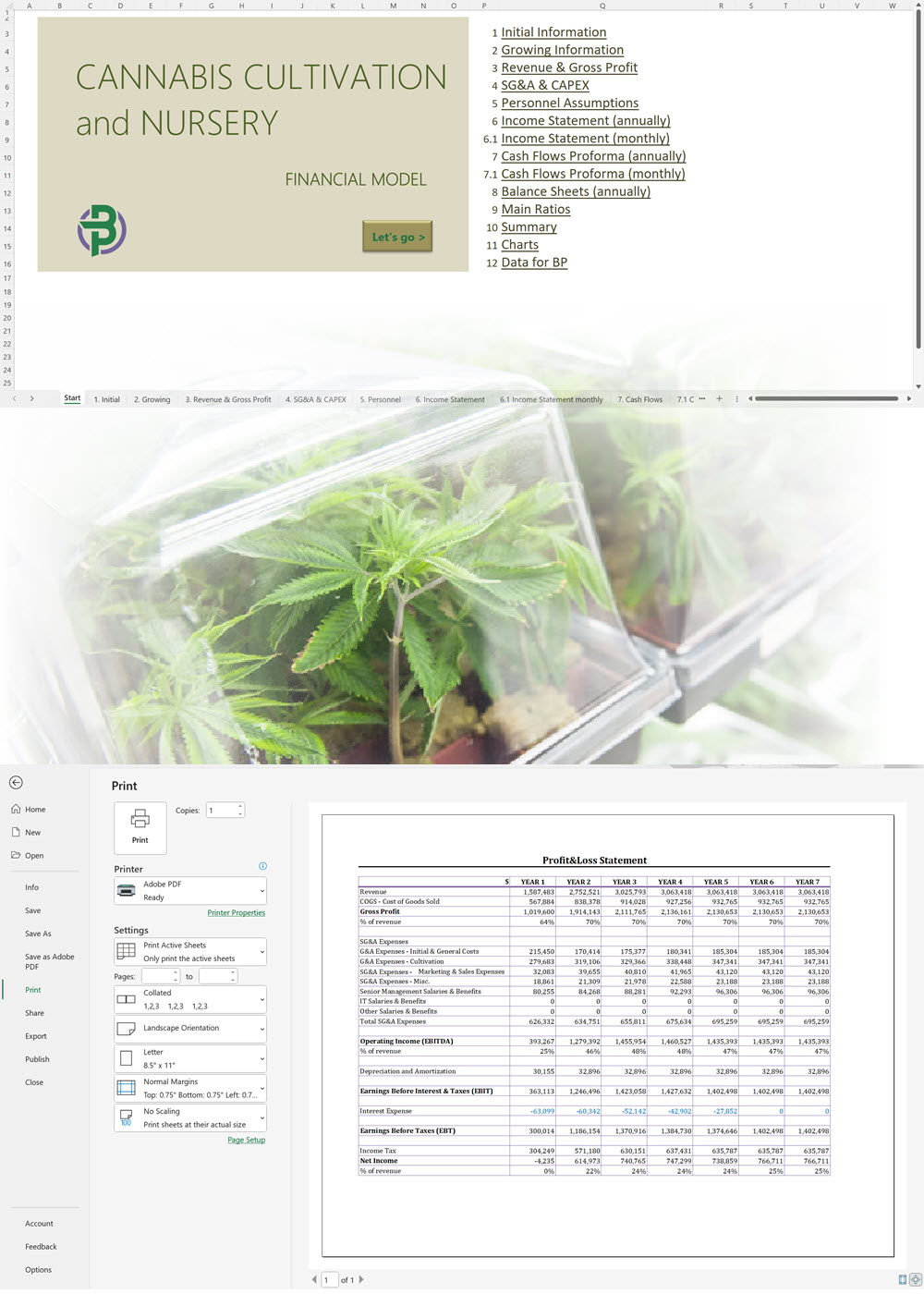
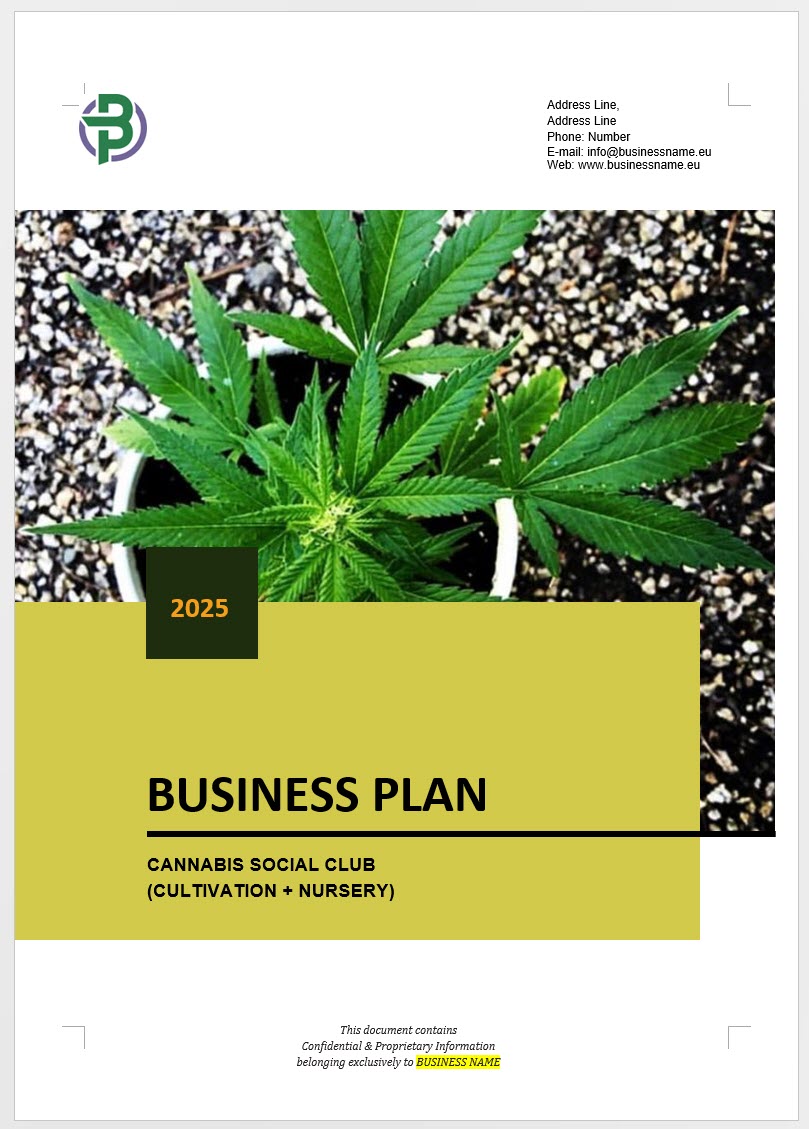
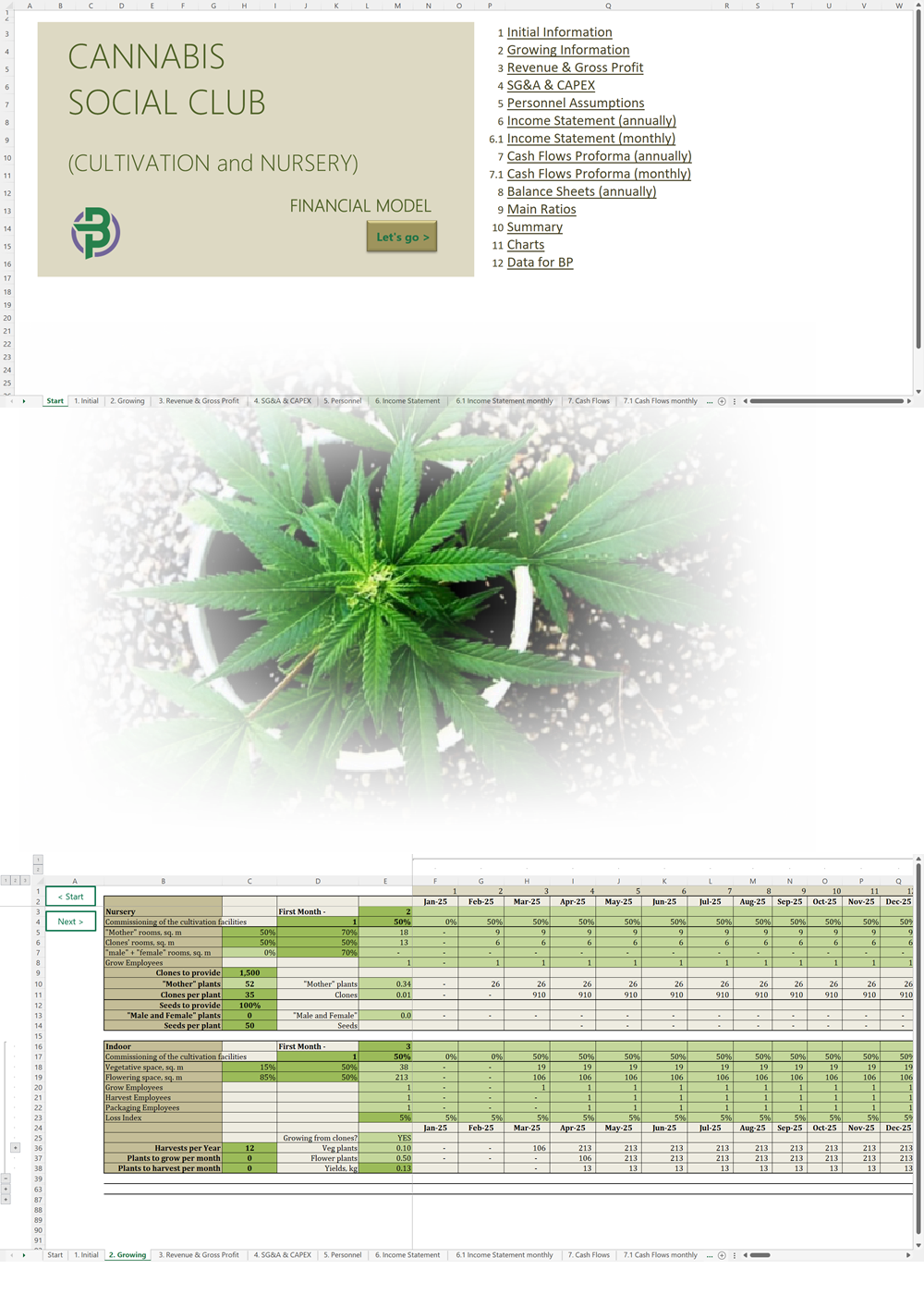
Cannabis Social Club (Cultivation + Nursery) Business Plan Template
Price range: €75 through €350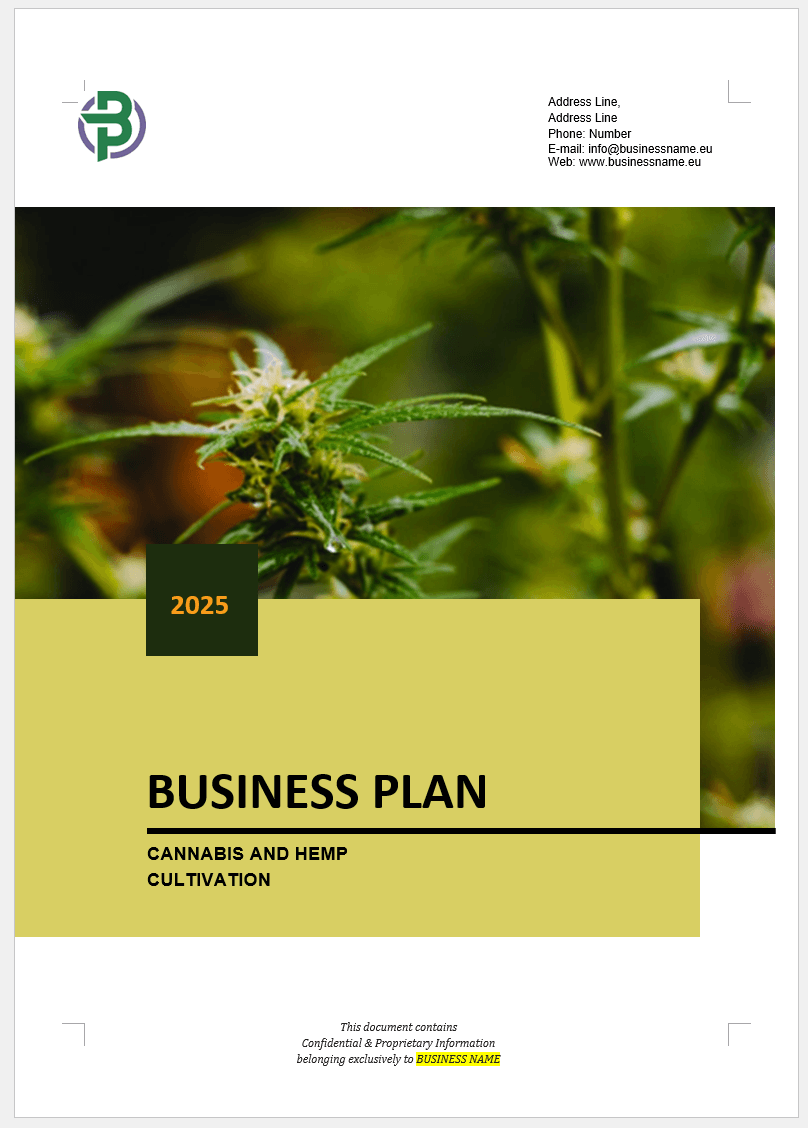
Cannabis and Hemp Cultivation Business Plan Template
Price range: €75 through €350