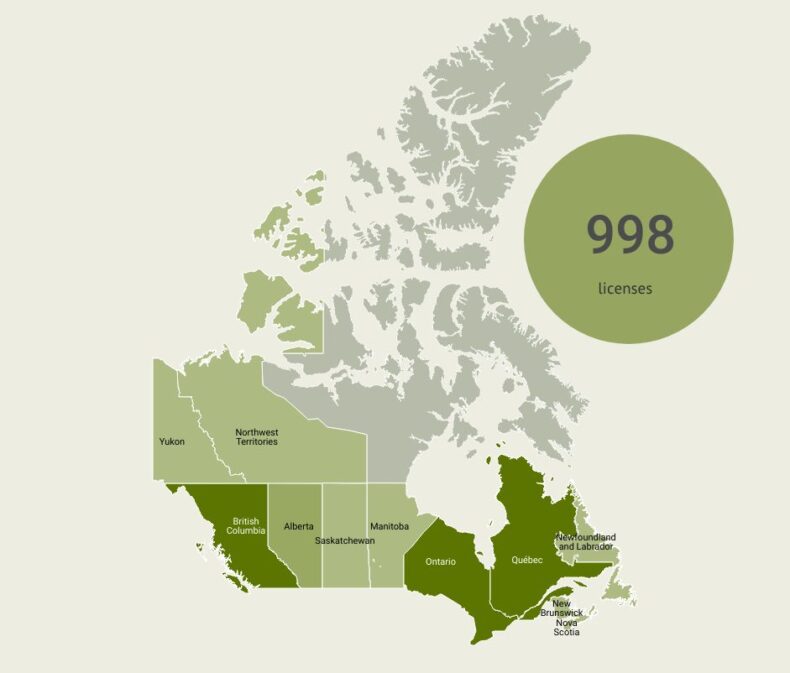
Cannabis Legalization in Canada
Medical cannabis was legalized in 2001, when authorized patients were able to obtain a license to grow cannabis at home.
On April 1, 2014 new regulations came into effect, the Marijuana for Medical Purposes Regulations (MMPR) replaced the previous Marijuana Medical Access Regulations (MMAR). Canada had a set up a licensing scheme whereby authorized producers produce and sell dried and fresh cannabis flower, and cannabis oil, to patients with the appropriate medical documentation.
Canada’s senate has voted 56-30 on 7th of June 2018 to legalize recreational cannabis, clearing a major hurdle as the country moves towards becoming the first in the G7 to fully legalize cannabis.
The federal government legalized recreational cannabis on October 17th, 2018, but left it up to the provinces and territories to oversee distribution and sales.
The federal legislation, along with strict regulations:
- allow adults to possess up to 30 grams of legally-produced cannabis;
- allow adults to grow up to four cannabis plants per household;
- set the minimum age for purchase and use at 18 years of age, with the option for provinces to increase the age limit;
- enable a regulatory regime for the licensed production of cannabis, which would be controlled by the federal government;
- enable a regulatory regime for the distribution and sale of cannabis, which would be controlled by the provincial government; and
- establish new provisions to address drug-impaired driving, as well as making several changes to the overall legal framework to address alcohol impaired driving.
Starting Oct. 17, 2019, edibles, topicals and extracts are allowed to be legally sold. Packages of edibles won’t be permitted more than 10 milligrams of THC, while extracts and topicals could not exceed 1,000 milligrams of THC.
Cannabis Licenses in Canada
- A cultivation (micro, nursery, standard) licence allows you to grow cannabis indoors and outdoors by cultivating, propagating and harvesting.
- A processing (micro and standard) licence allows you to process harvested cannabis and industrial hemp. Industrial hemp is a cannabis plant that has a low concentration of THC (0.3% or less) in flowering heads and leaves. This licence doesn’t allow you to grow cannabis.
- A sale for medical purposes licence allows you to sell or distribute packaged and labelled cannabis to registered clients for medical purpose.
- You need a cannabis licence to import or export cannabis. You can only import or export cannabis for medical or scientific purposes. You’ll also need to apply for an import or export permit (for each shipment) to import cannabis into Canada or export cannabis to other countries.
- There also Analytical testing licence, Research licence and Cannabis drug licence.
- To operate a retail store and sell recreational cannabis, you must apply for a cannabis retail licence in your province.
As of December 2024, there were 1,004 federal license holders, including 729 licenses for cultivation, 580 licenses for processing and 322 licenses to sale (medical) cannabis.
According to Statistics Canada, total retail cannabis stores count hit a new high of 3,332 in 2023, representing an increase of 165 stores in the first half of 2022. In 2024, there were around 3,600 retail stores in the country, with 60% of Canadians live within 10 km of a cannabis store.
Canadian Cannabis Fees and Taxes
Cost recovery for the regulation of cannabis includes four fees:
- Application screening fee: recovers the costs associated with screening new licence applications ($3,277 for standard licence applicants and $1,638 for micro and nursery licence applicants);
- Security clearance fee: recovers the costs associated with screening, processing, and issuing or refusing security clearances ($1,654);
- Import/export permit fee: recovers the costs associated with screening, processing, and issuing or refusing to issue an import or export permit for medical or scientific purposes ($610); and,
- Annual regulatory fee: recovers the aggregate costs of administering the cannabis regulatory program that are not covered under any of the other fees (2.3% of cannabis revenue for standard licence holders, or $23,000 if cannabis revenue is less than $1 million, and 1% on the first $1 million of cannabis revenue for micro and nursery licence holders or $2,500 in cases where cannabis revenue is less than $250,000).
- Licence holders who produce cannabis exclusively for medical purposes are exempt from the annual regulatory fee.
Taxes:
The federal excise duty rate will be 25 cents per gram of cannabis, or 2.5 per cent of the producer’s sale price of that product. An additional rate will apply for an agreeing province or territory.
| Cannabis product | Flat‑rate cannabis duty | Ad valorem cannabis duty | Flat‑rate additional cannabis duty | Ad valorem additional cannabis duty |
|---|---|---|---|---|
| Flowering material included in the cannabis product or used in the production of the cannabis product | $0.25 per gram | 2.5% of the dutiable amount for the cannabis product | $0.75 per gram | 7.5% of the dutiable amount for the cannabis product |
| Non‑flowering material included in the cannabis product or used in the production of the cannabis product (this includes flowering material that is industrial hemp by‑product) | $0.075 per gram | 2.5% of the dutiable amount for the cannabis product | $0.225 per gram | 7.5% of the dutiable amount for the cannabis product |
The adjustment rates for the additional cannabis duty required when packaged and stamped cannabis products are delivered to a purchaser in a listed specified province are the following:
- Alberta, 16.8%;
- Nunavut, 19.3%;
- Ontario, 3.9%;
- Saskatchewan, 6.45%.
It is important to note that excise duties are not paid directly by consumers. Rather, they are paid by manufacturers.
Source: cannabusinessplans.ca
Cannabis Legalization in Canada Infographics
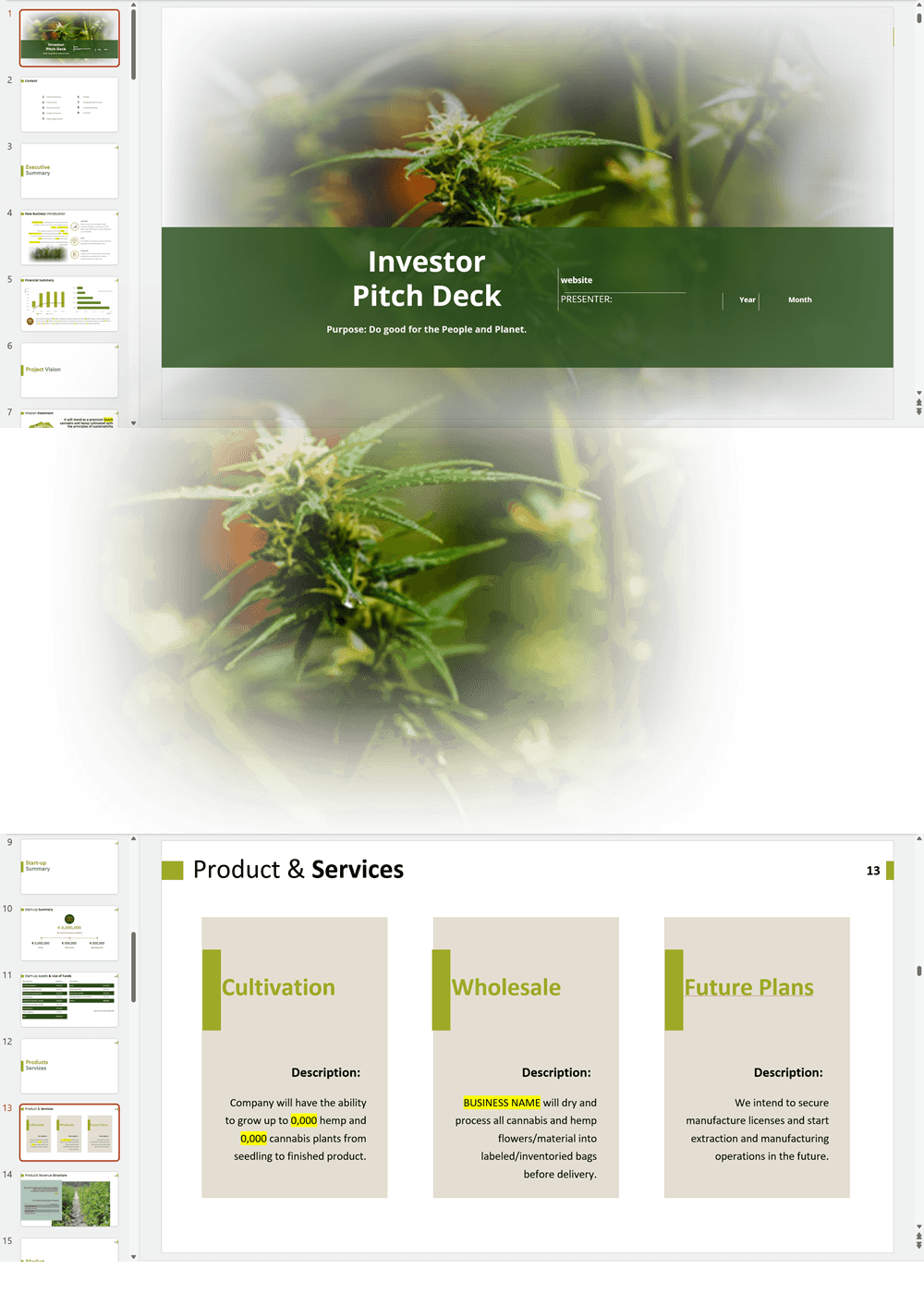
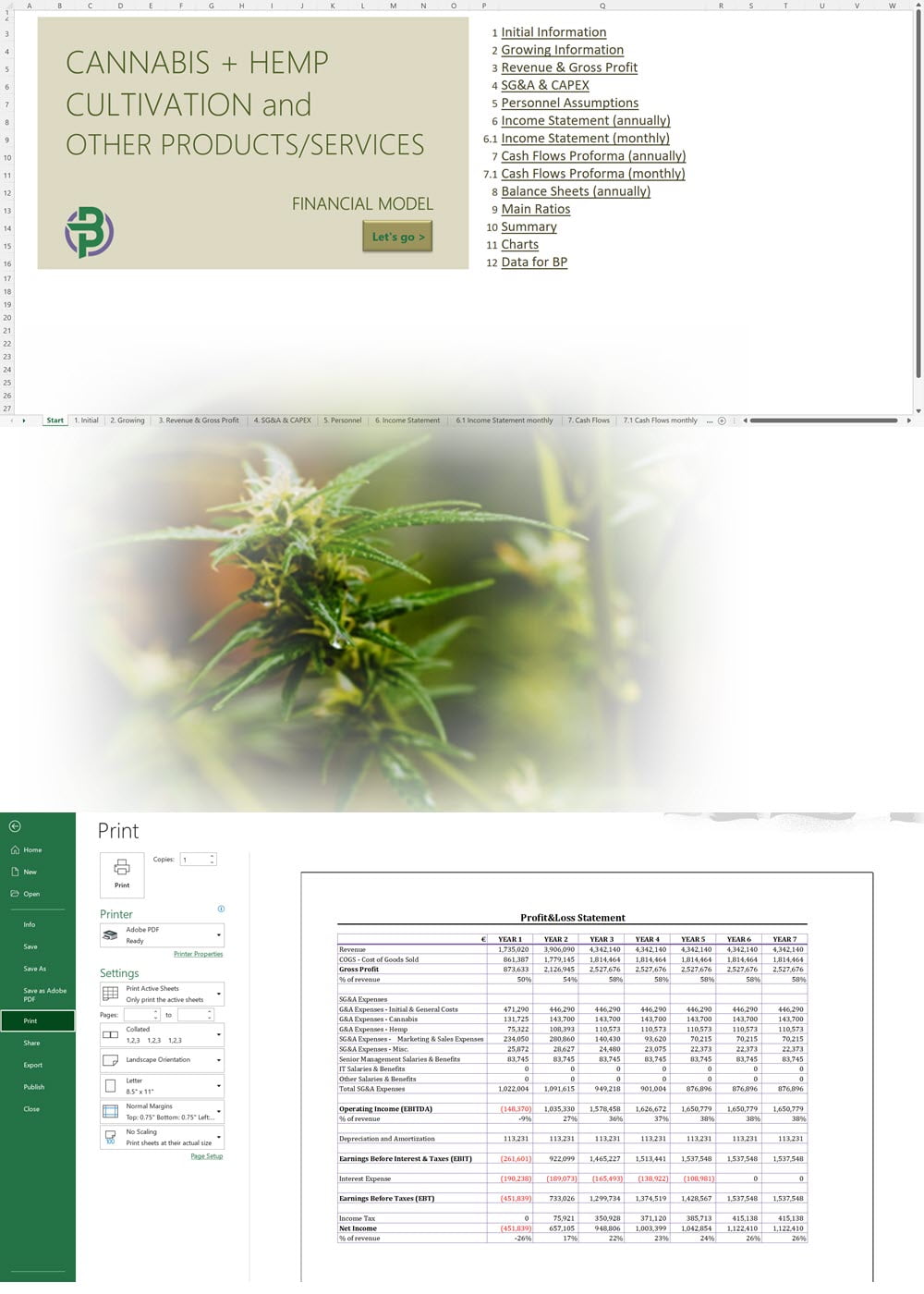
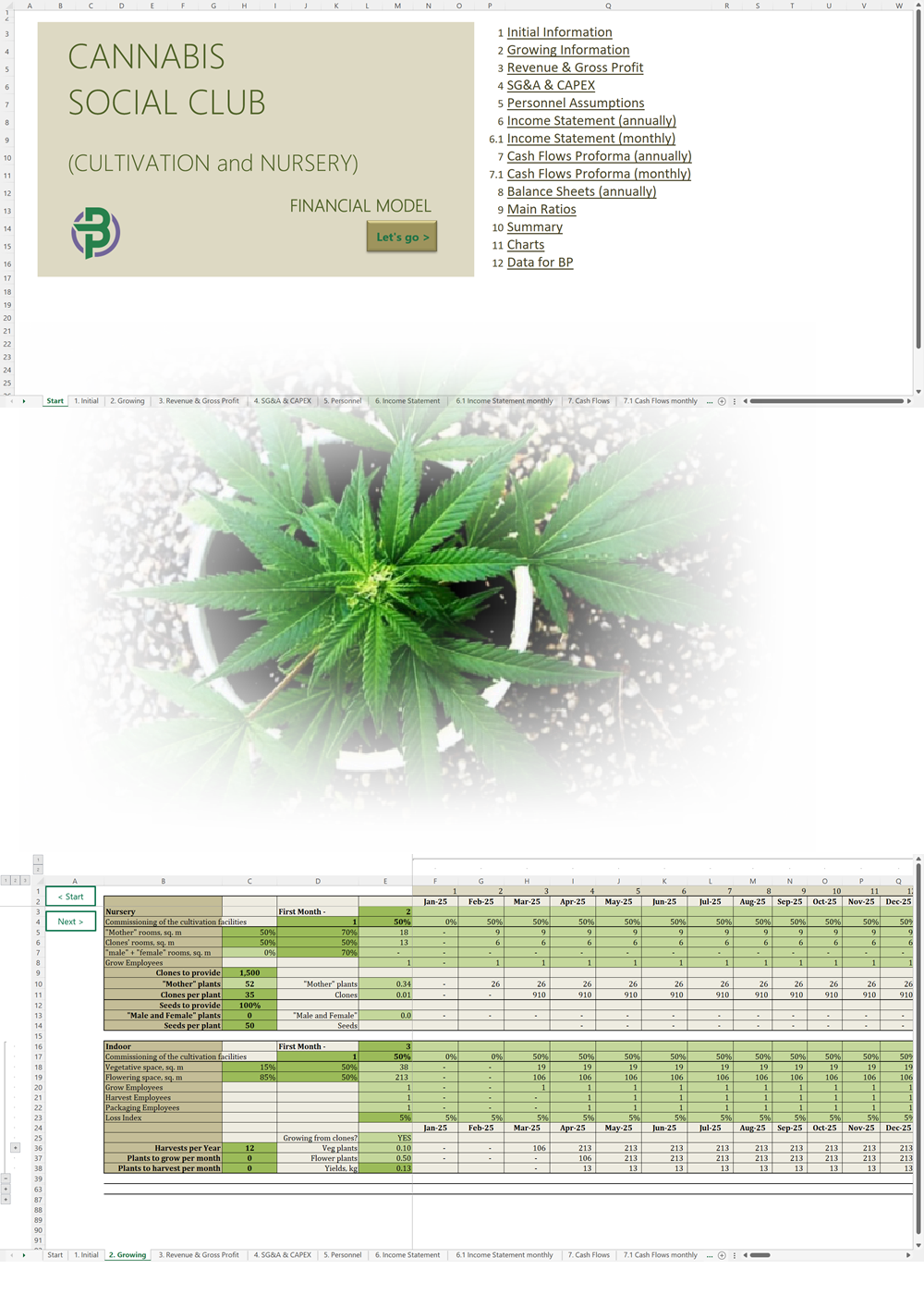
Cannabis business plan templates for Canada are available at cannabusinessplans.ca.
Our Templates
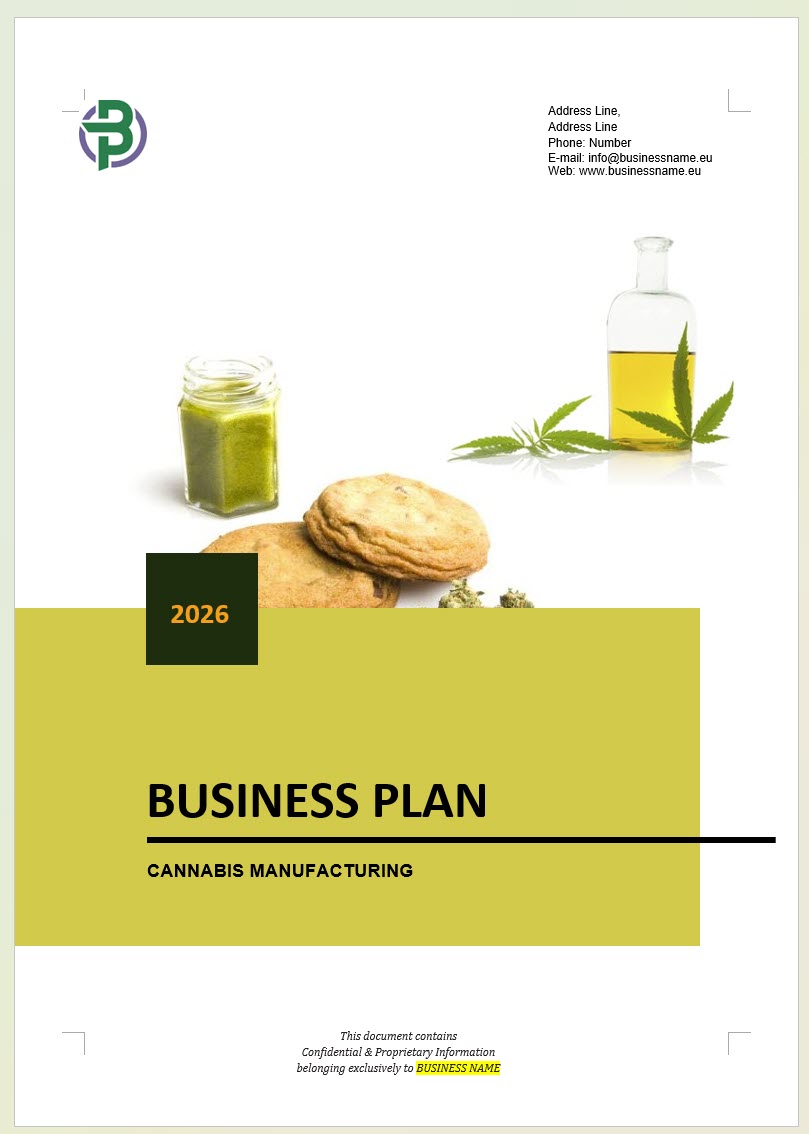
Cannabis Manufacturing Business Plan Template (in-house processing)
Price range: €70 through €250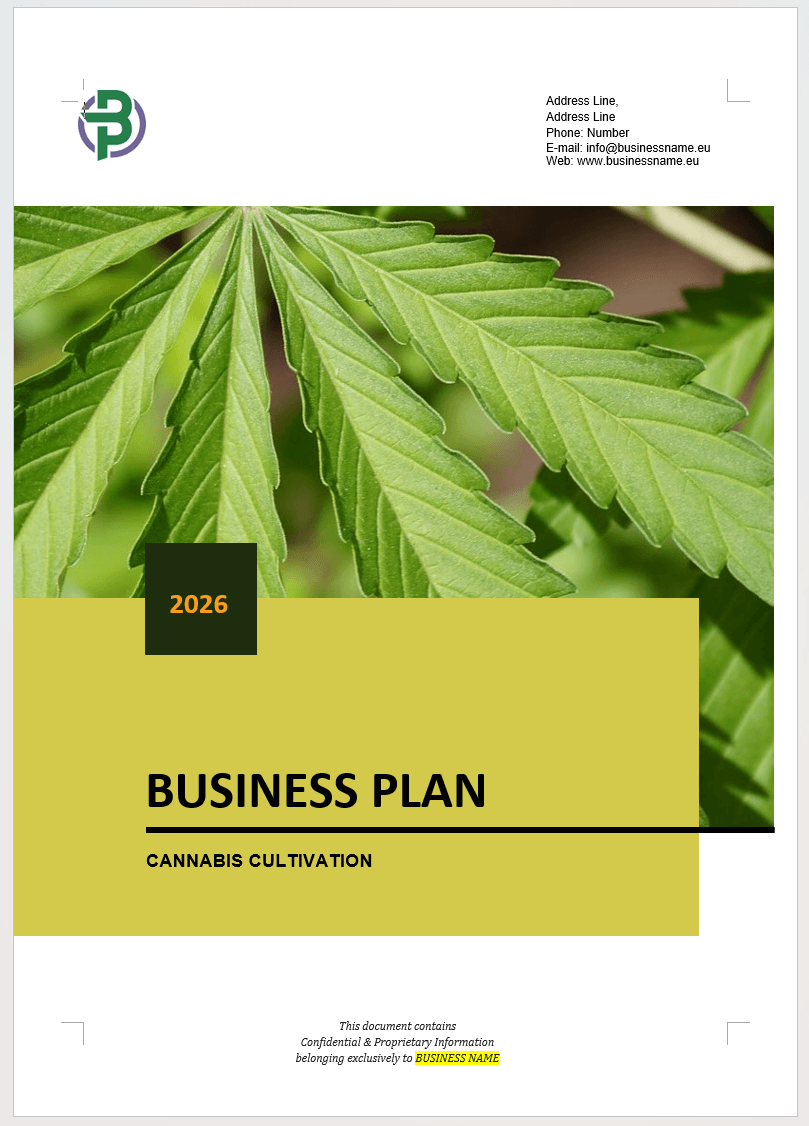
Cannabis Cultivation Business Plan Template
Price range: €75 through €350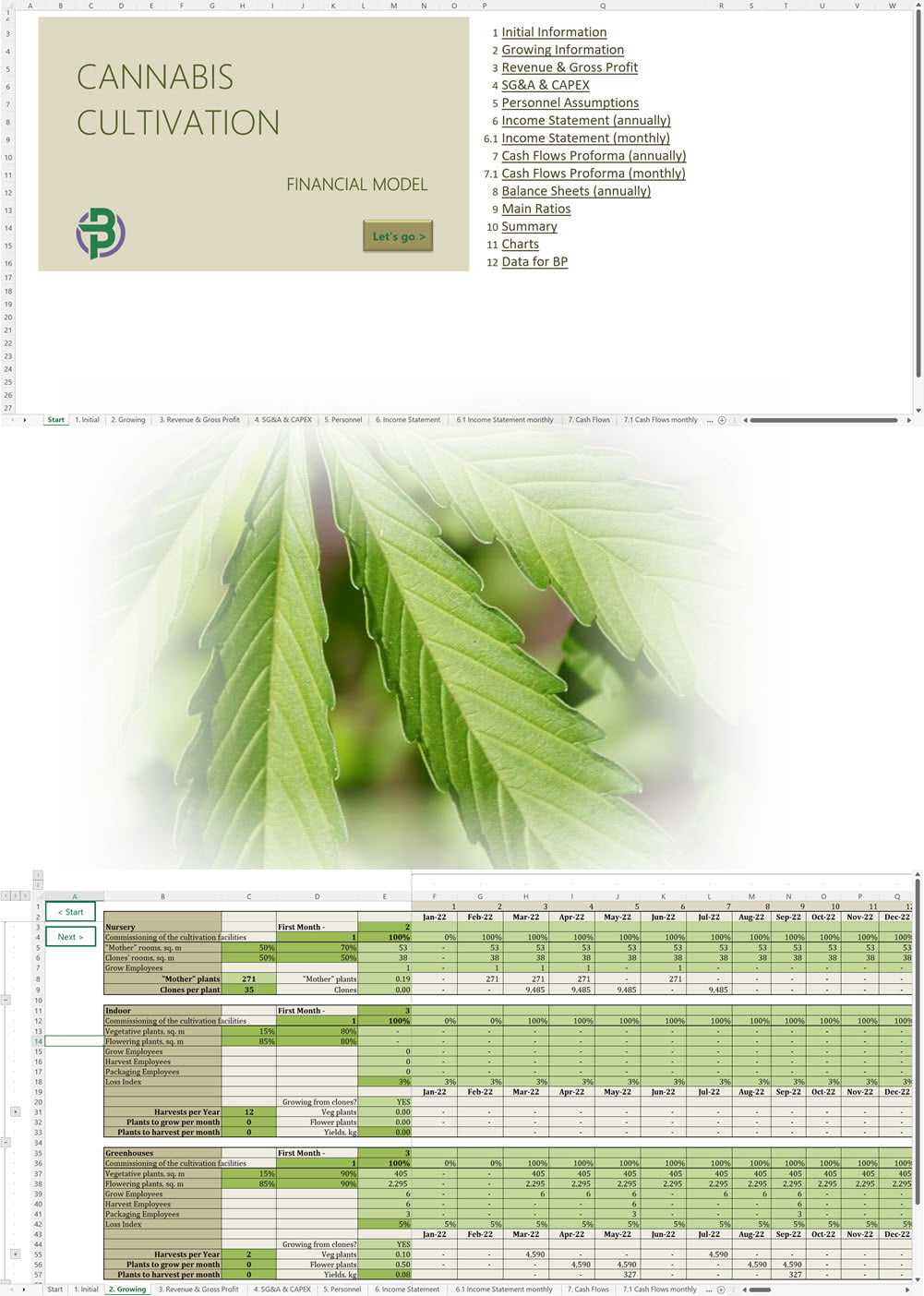
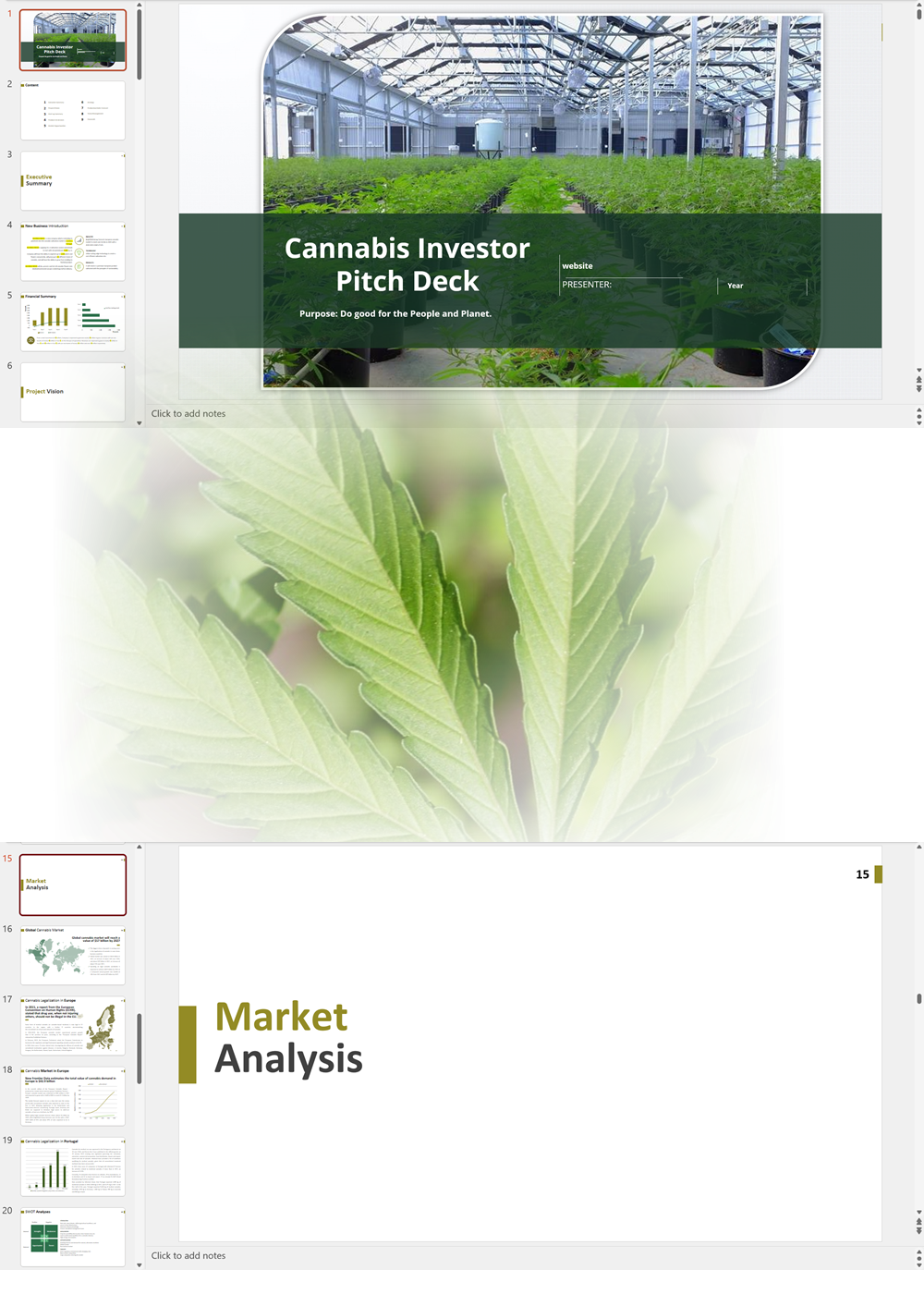
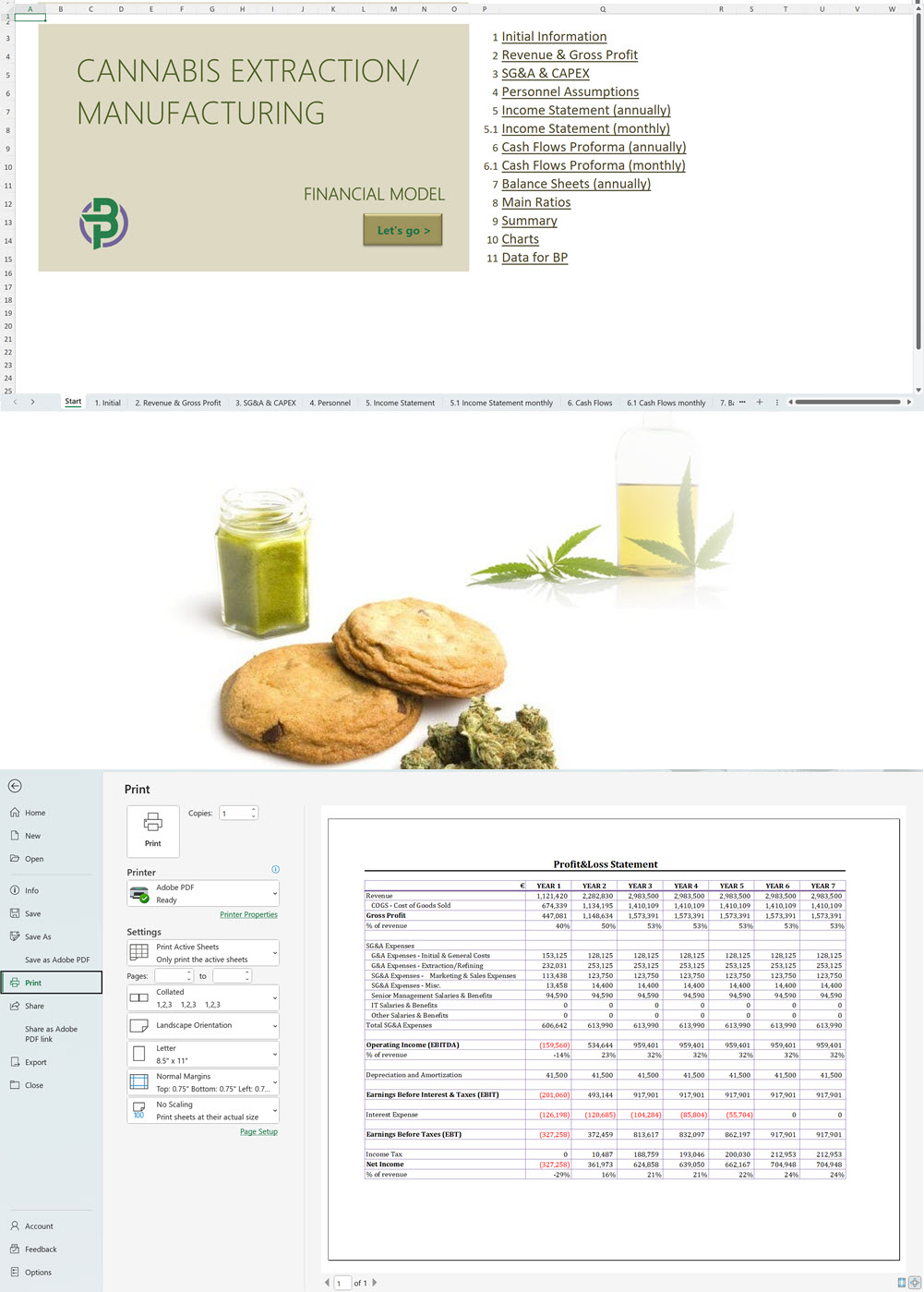
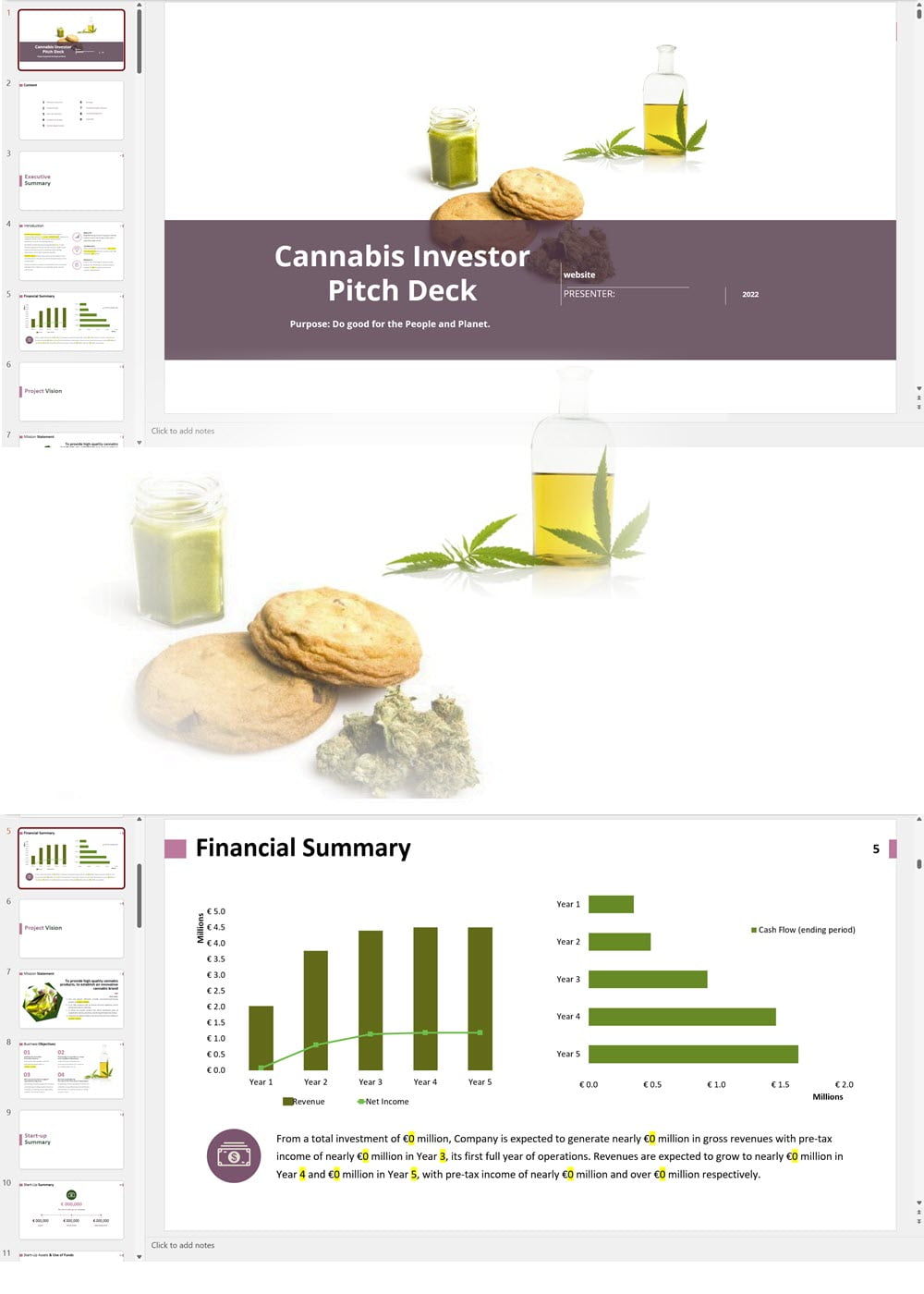
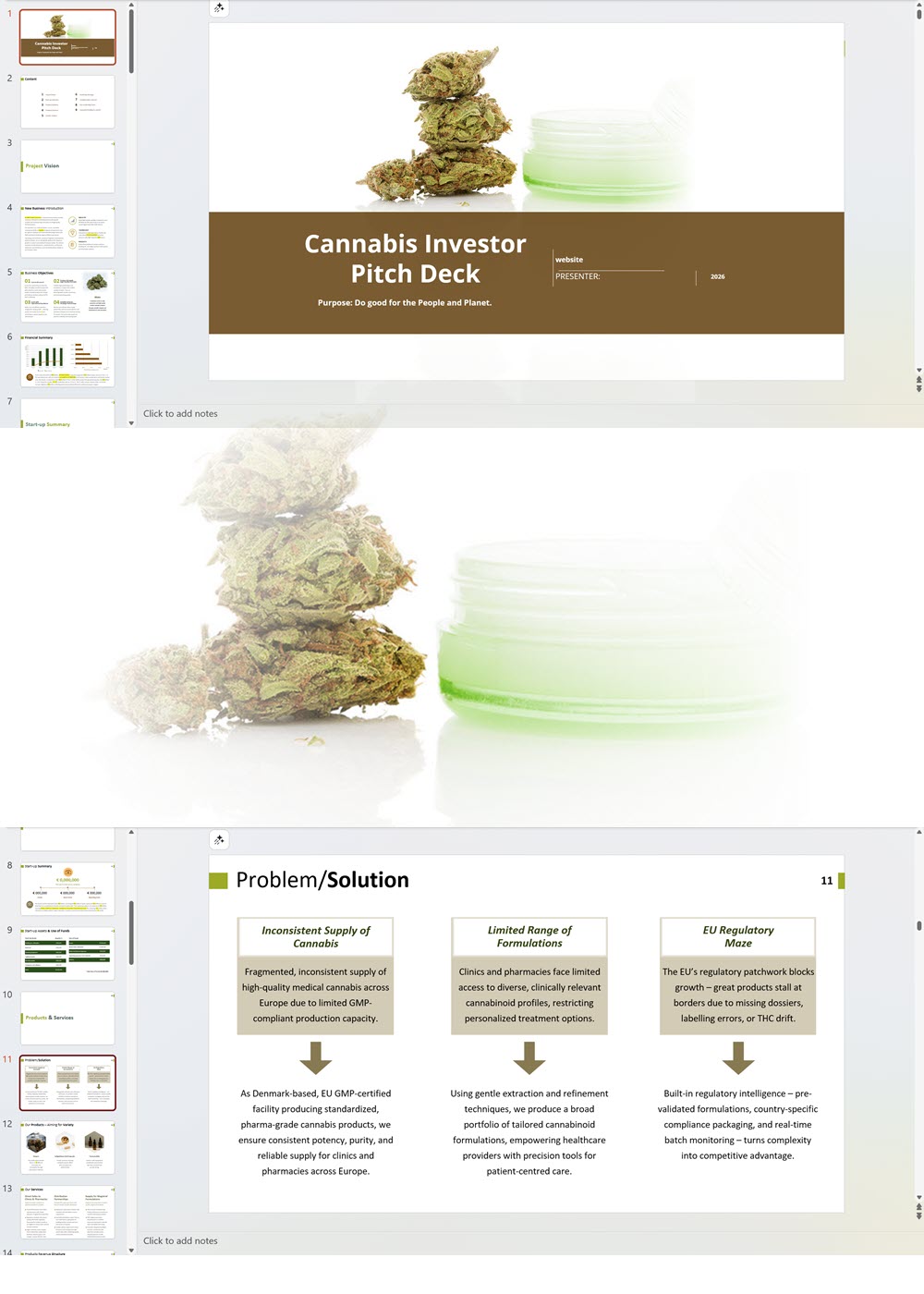
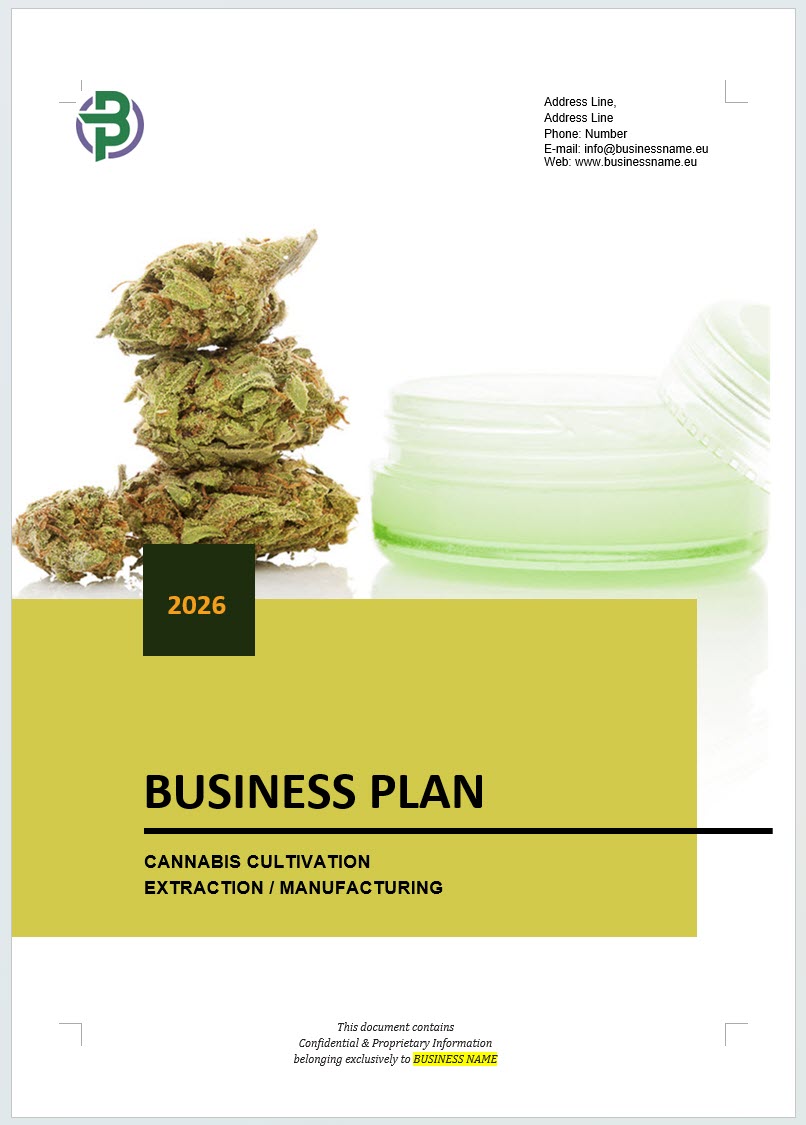
Cannabis Cultivation + Extraction + Manufacturing Business Plan Template
Price range: €70 through €385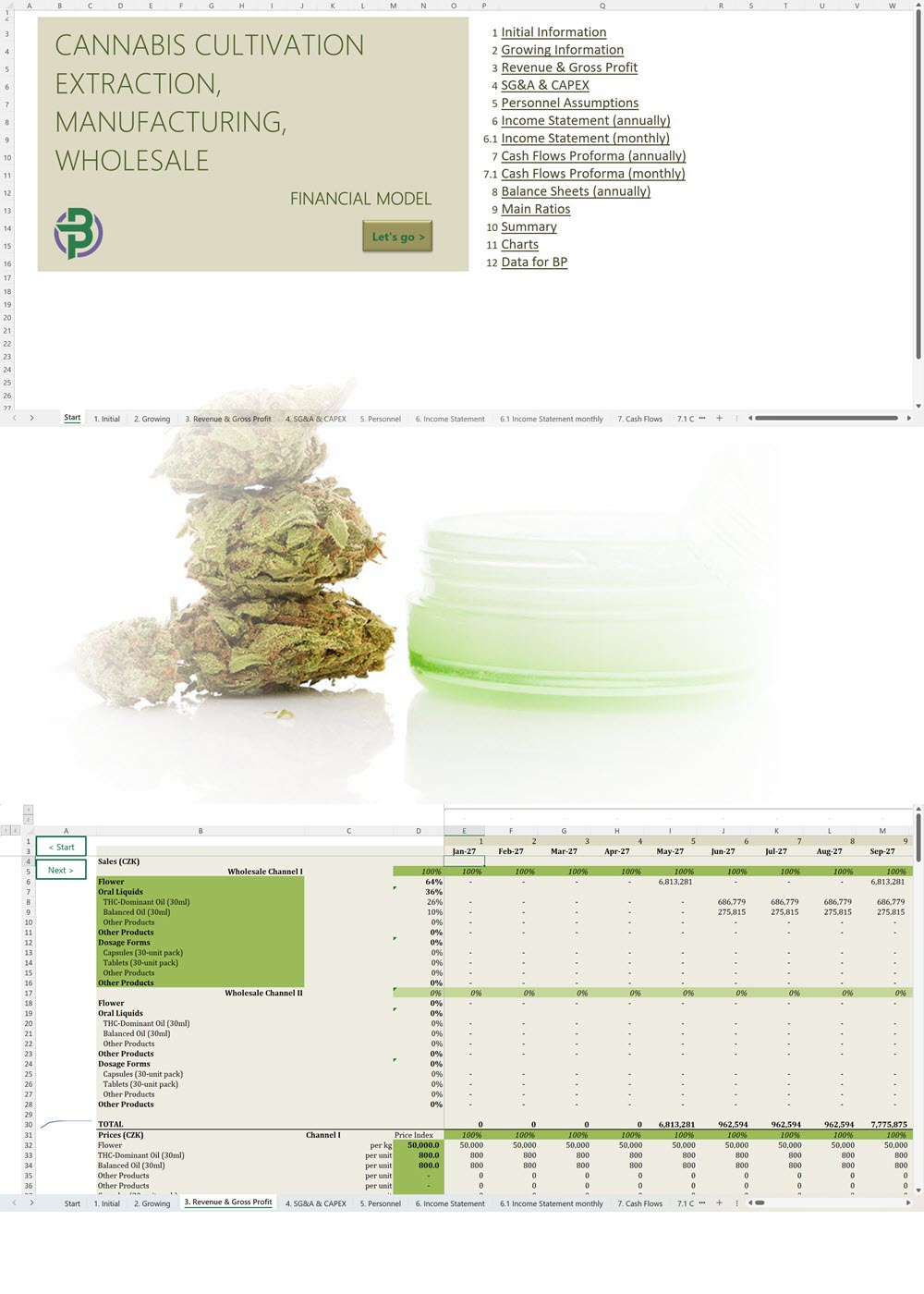
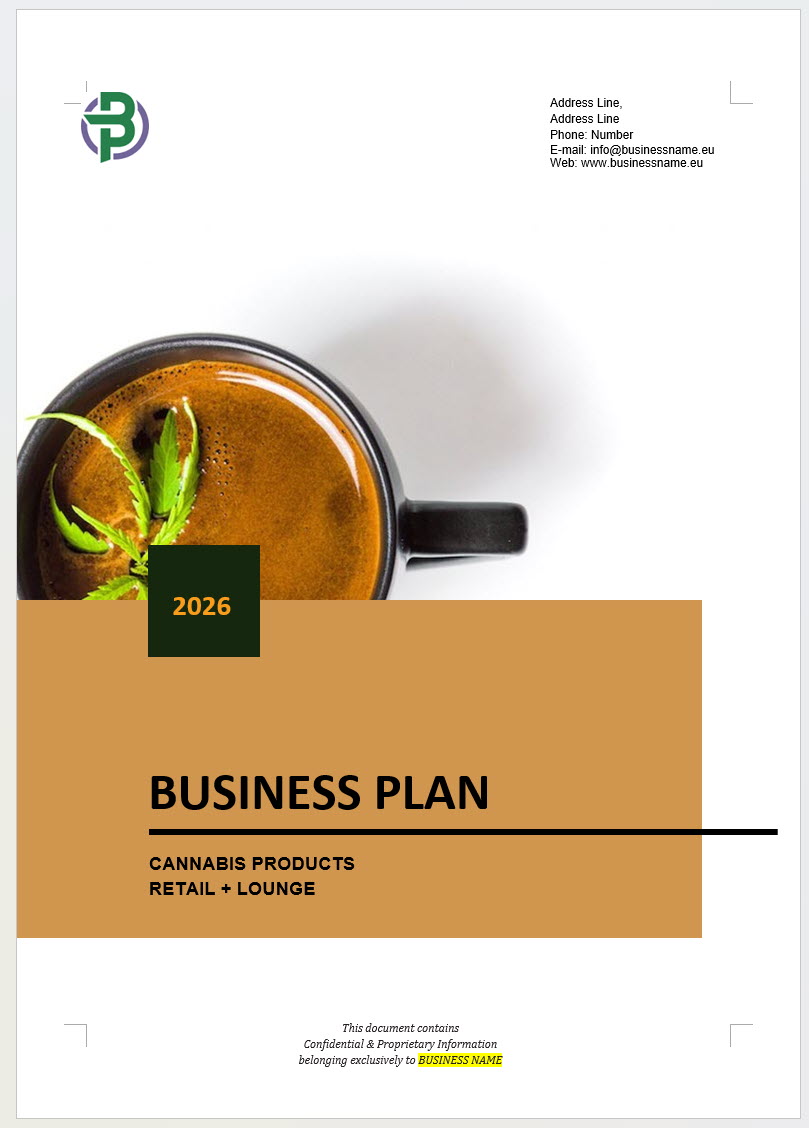
Cannabis Lounge + Retail Business Plan Template
Price range: €75 through €350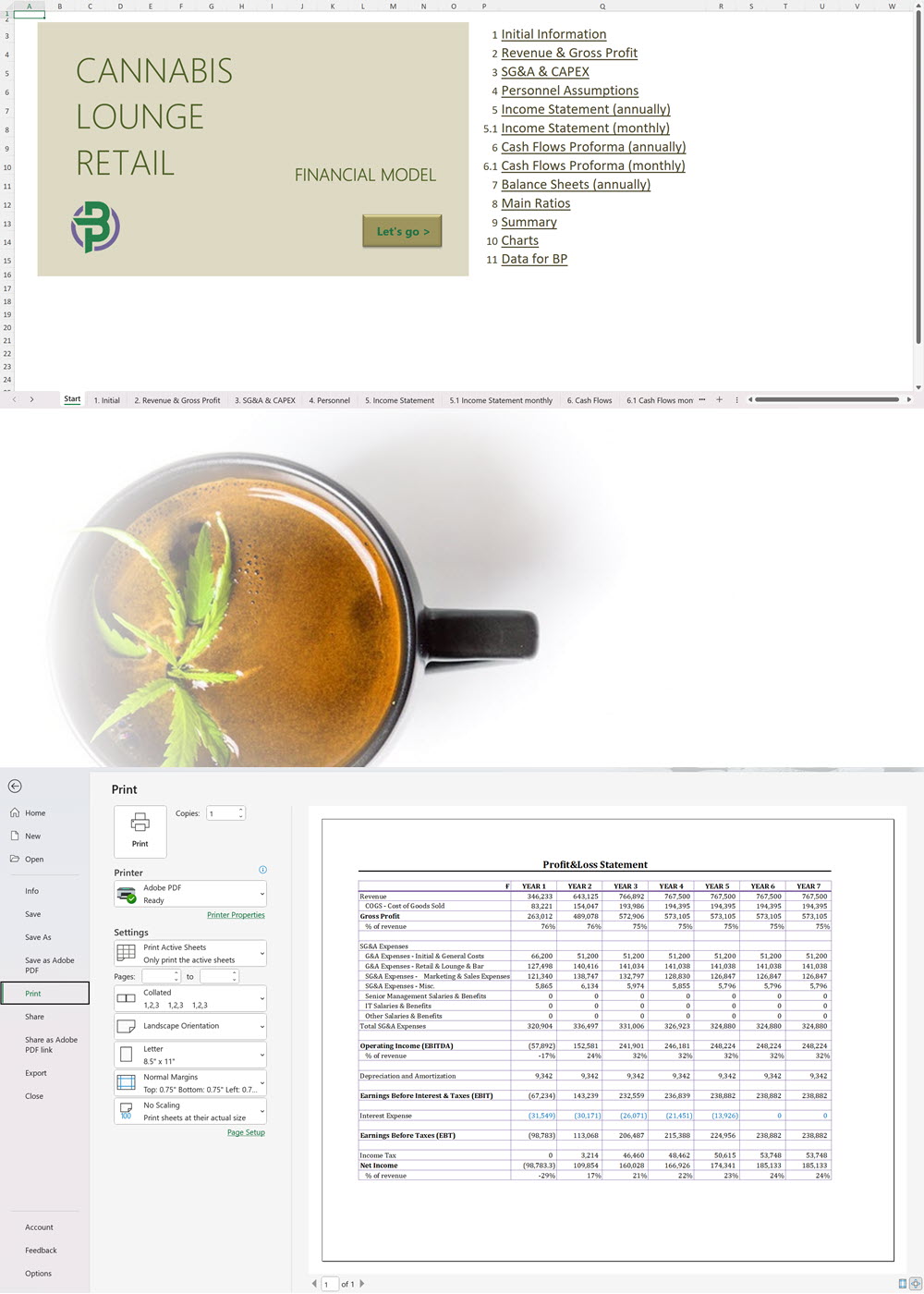
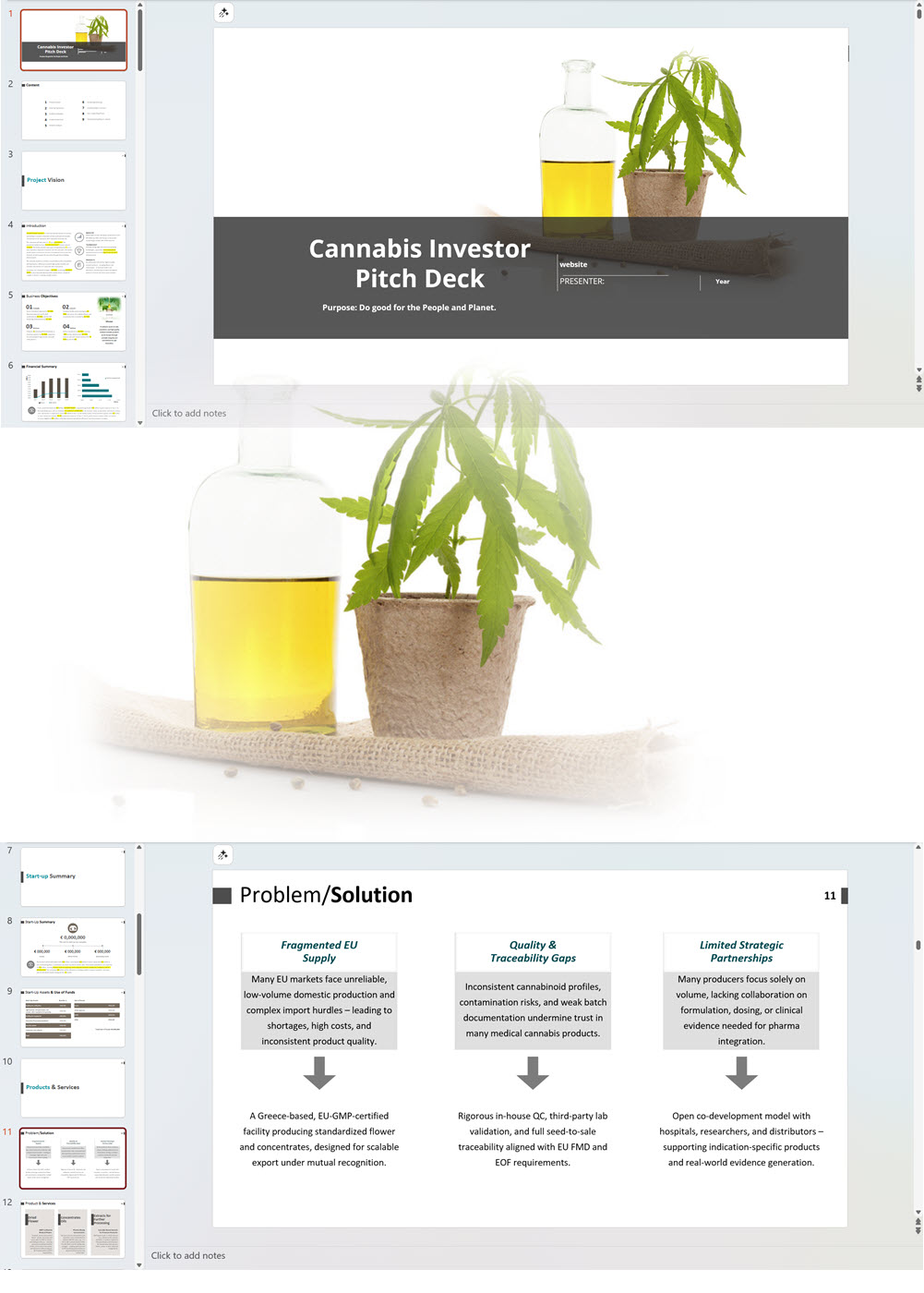
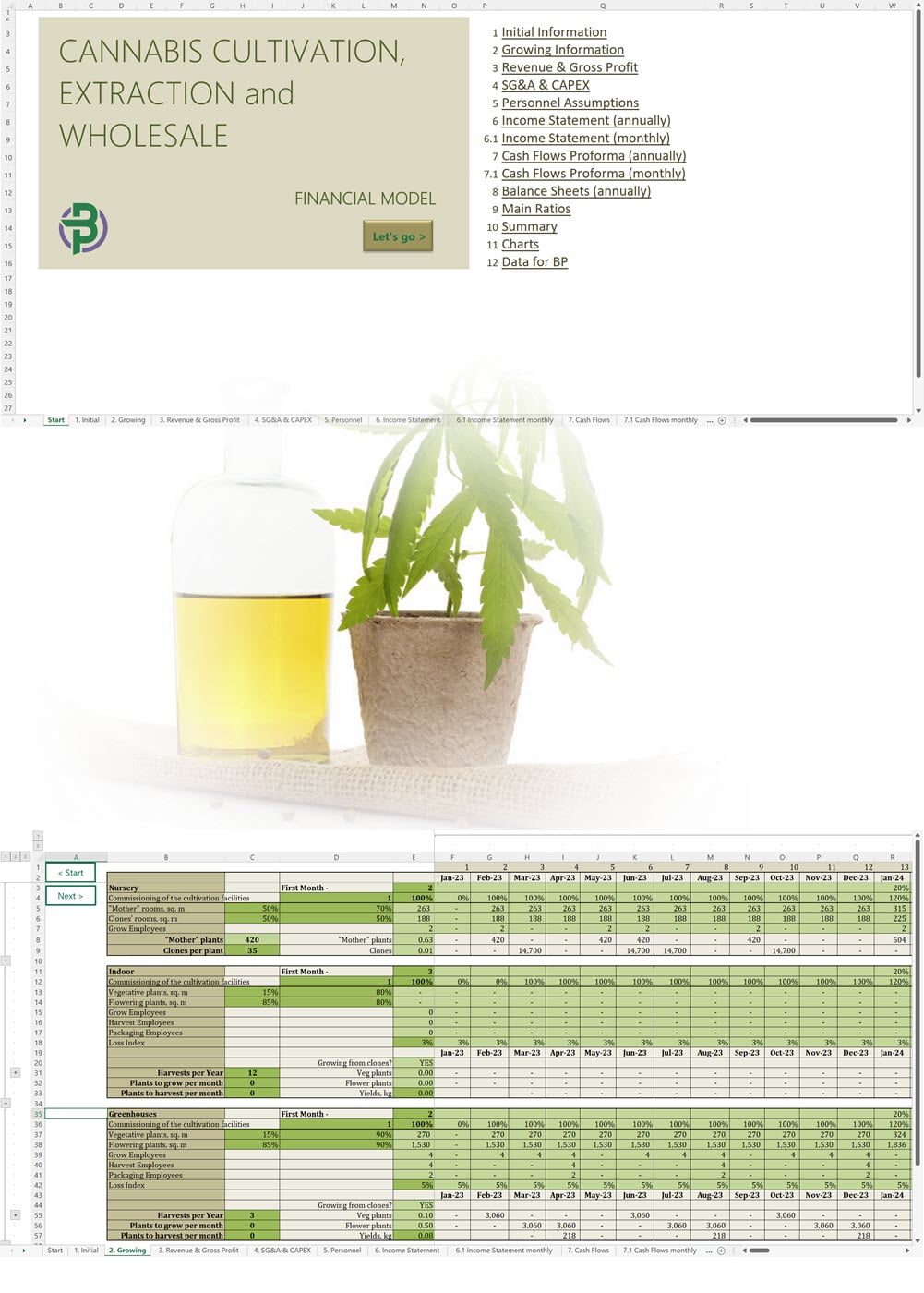
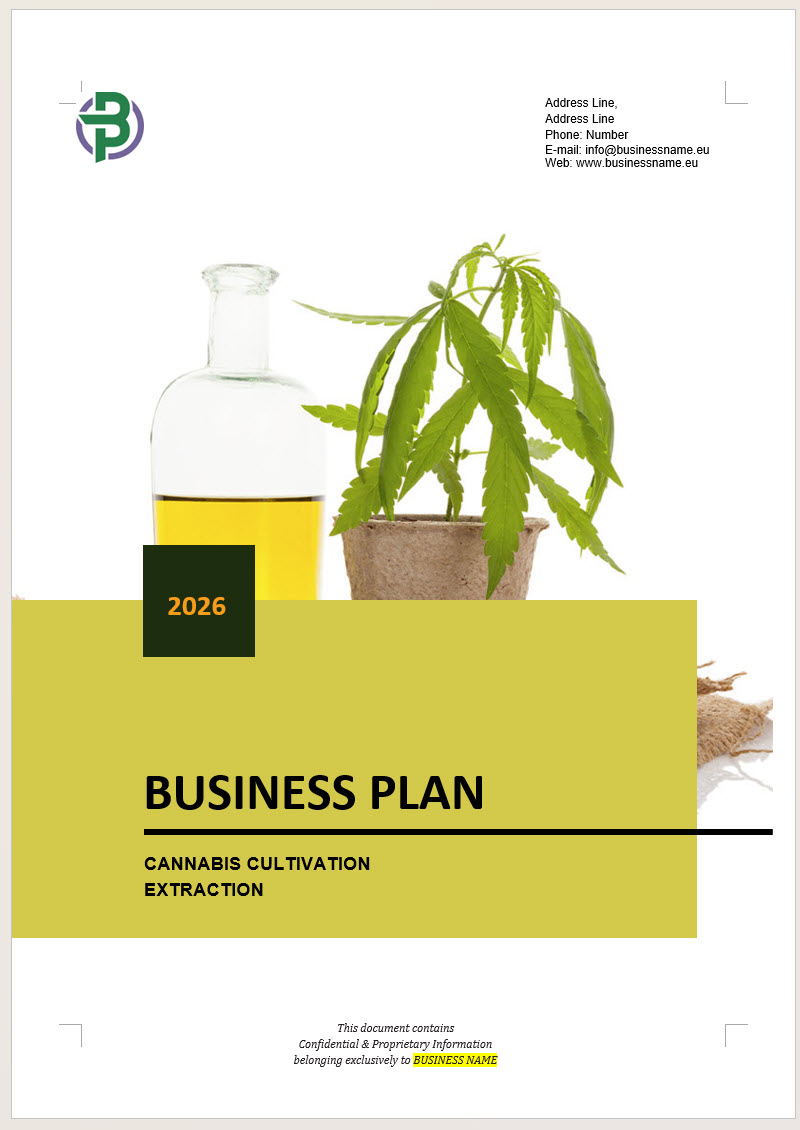
Cannabis Cultivation and Extraction / Concentrates Business Plan Template
Price range: €75 through €450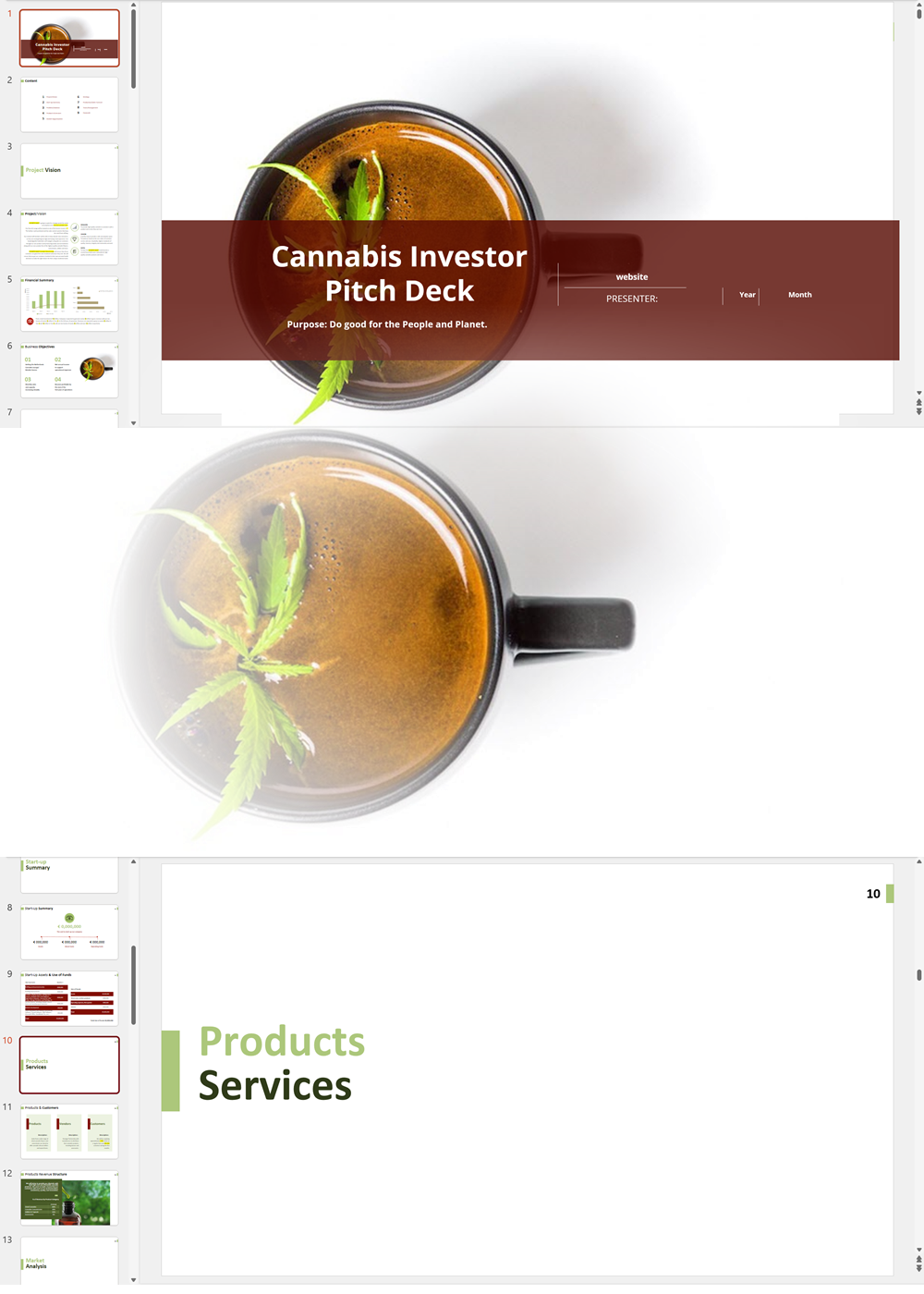
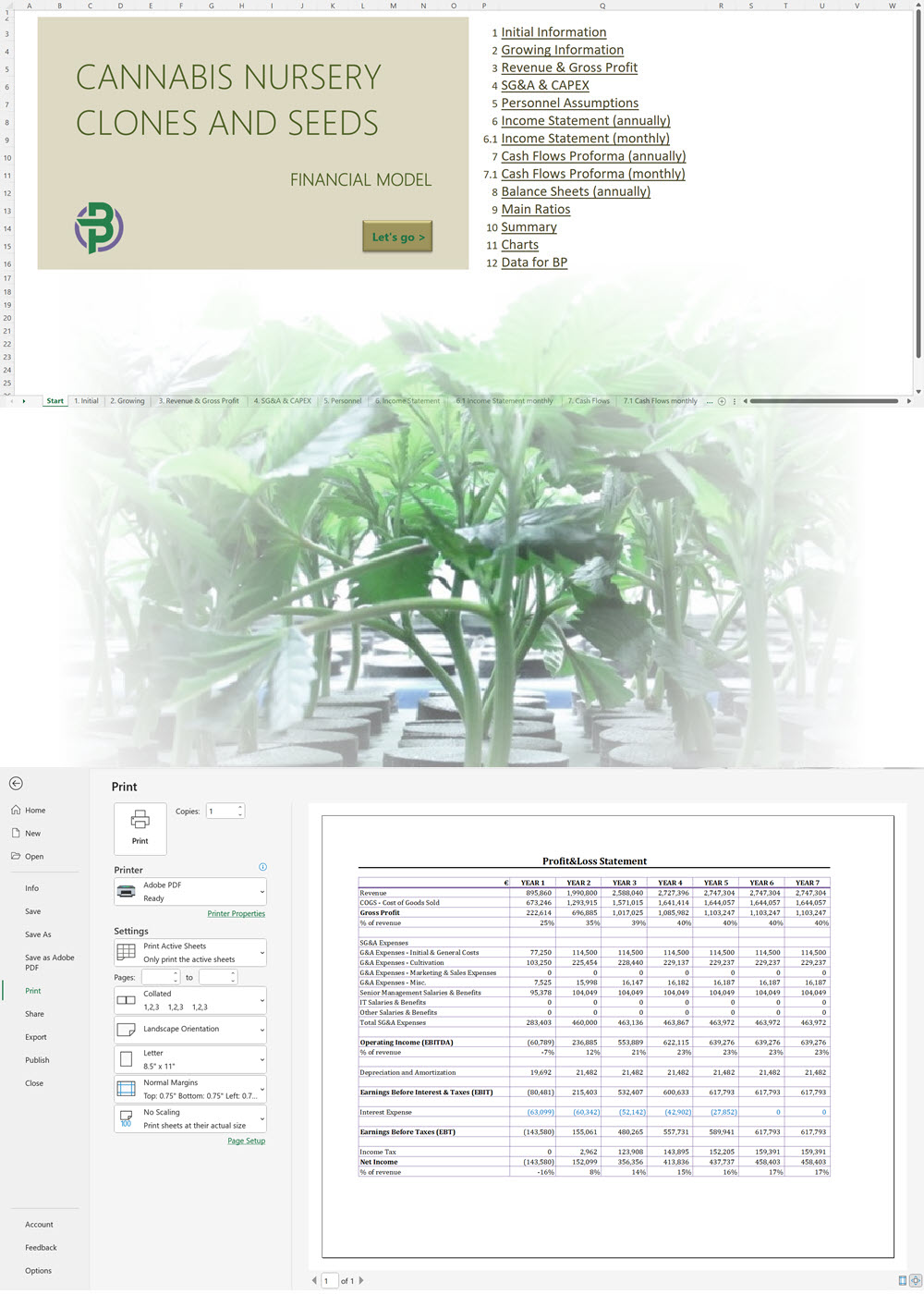
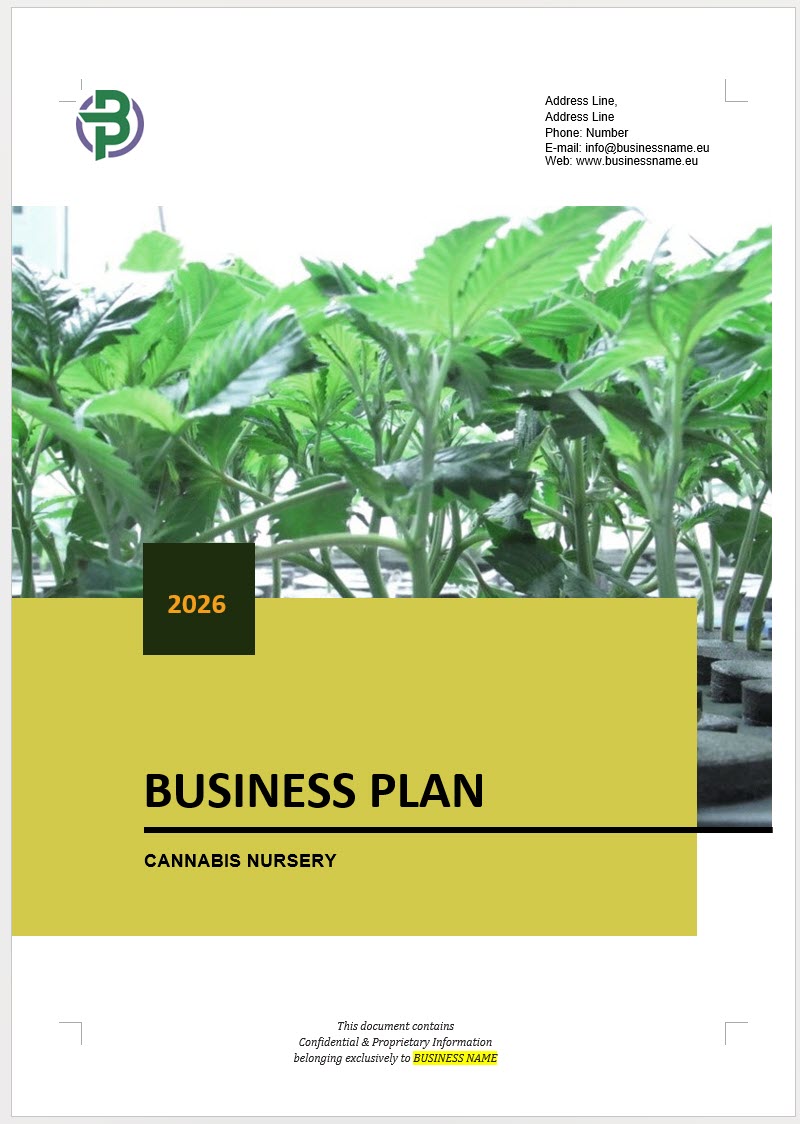
Cannabis Clones/Seeds Nursery Business Plan Template
Price range: €75 through €350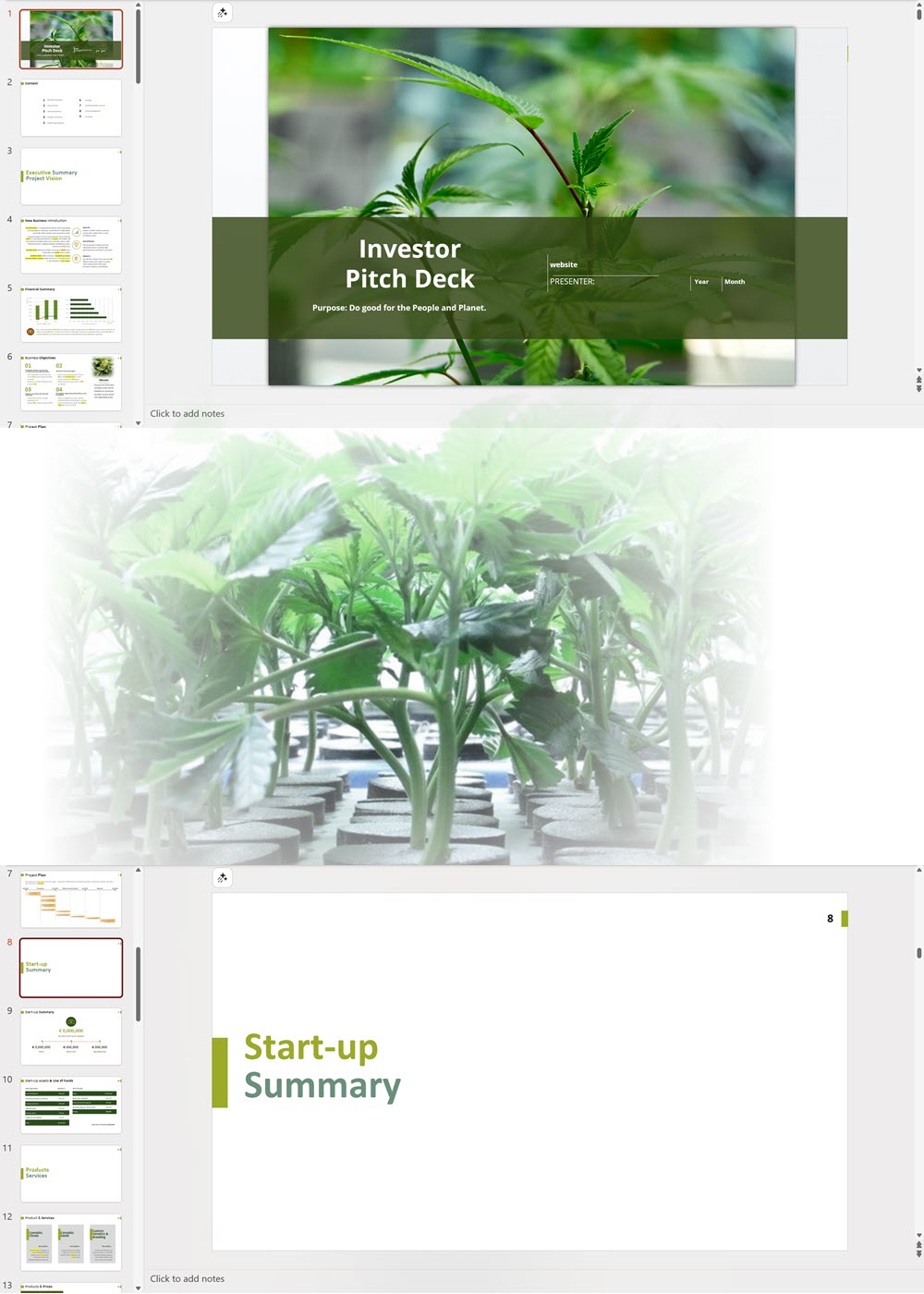
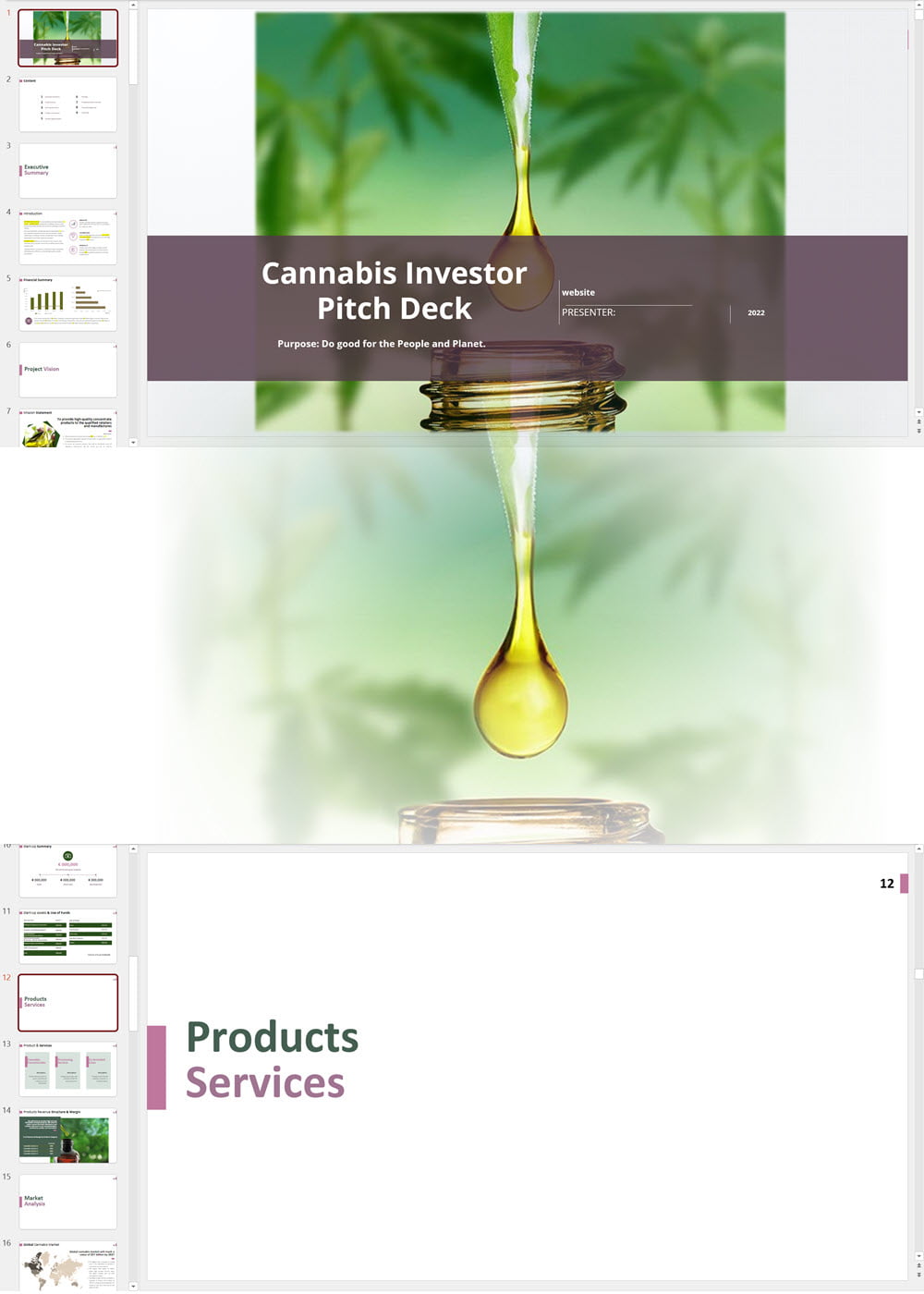
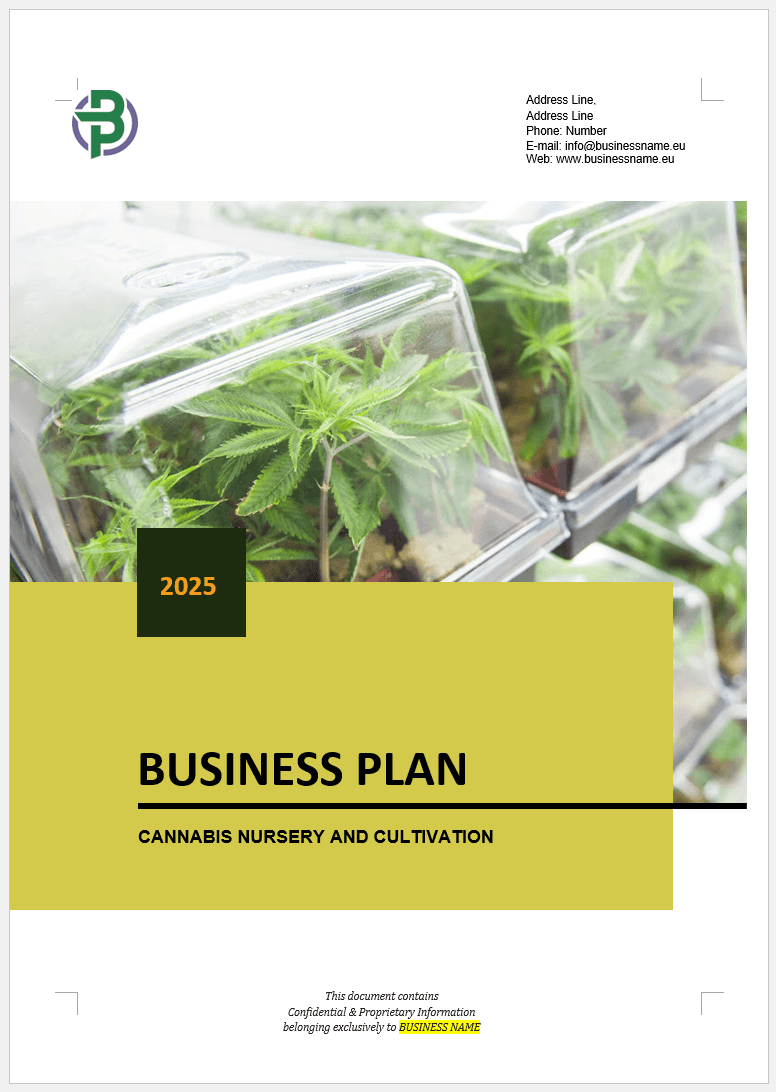
Cannabis Cultivation + Nursery Business Plan Template
Price range: €75 through €350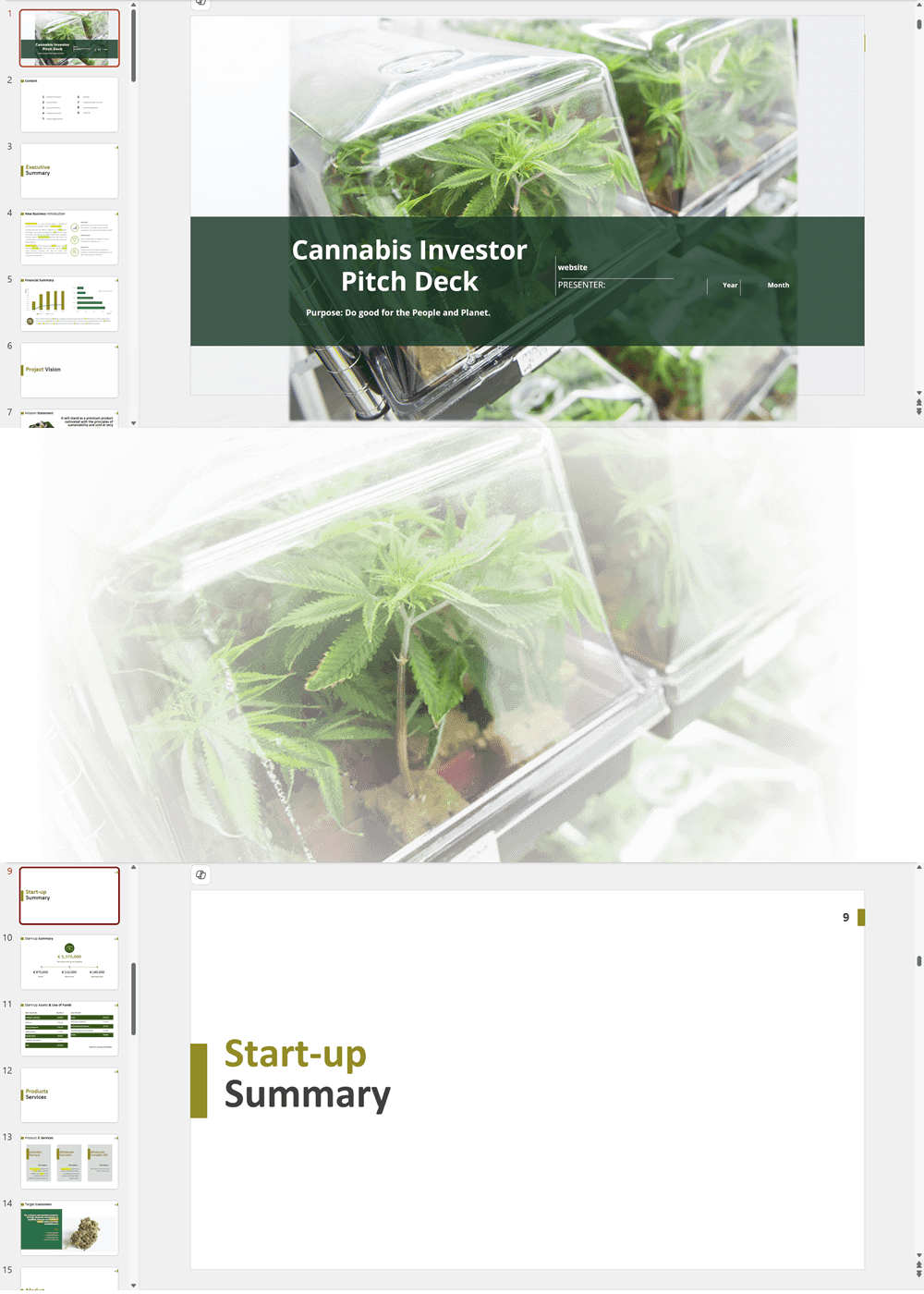
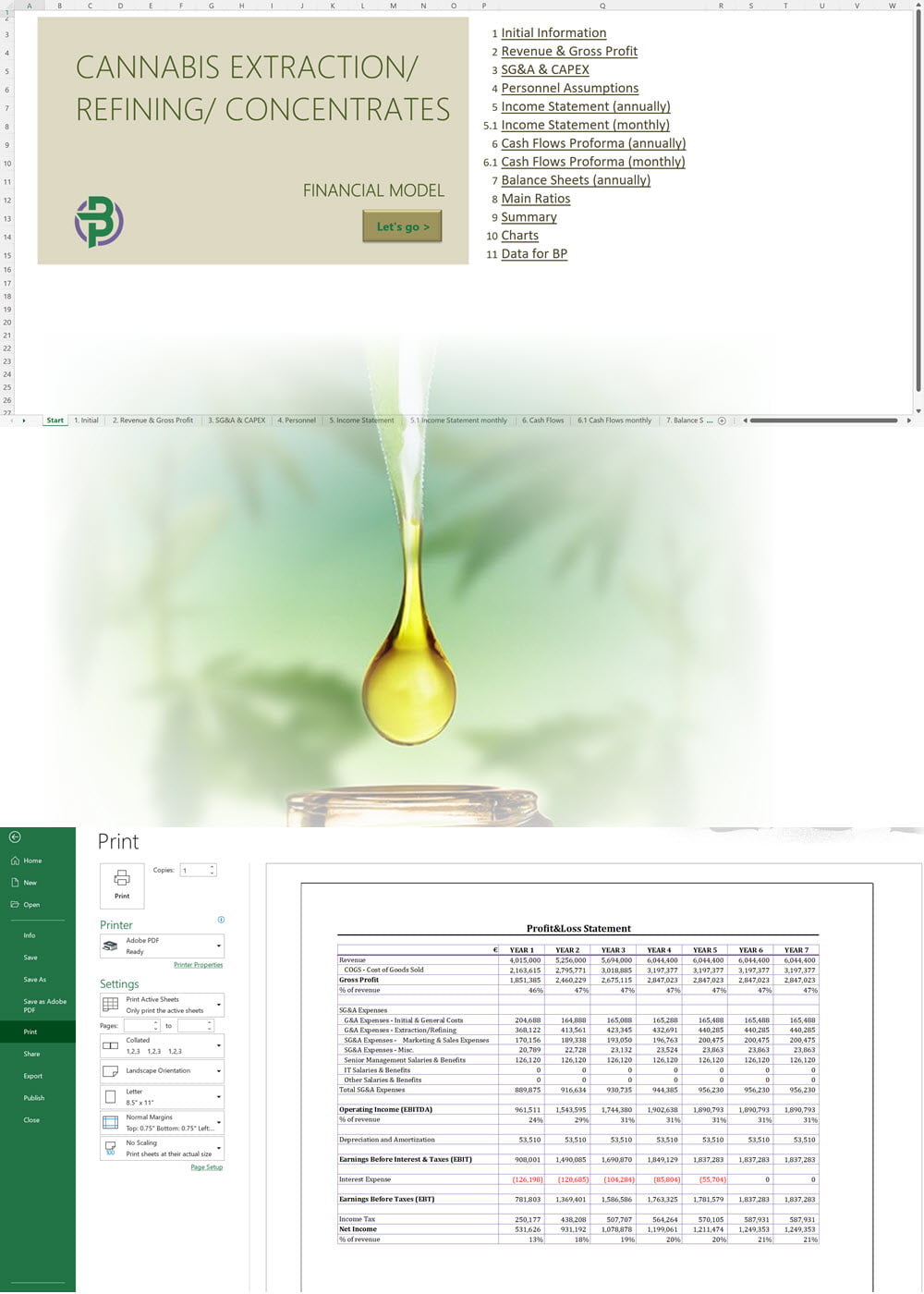
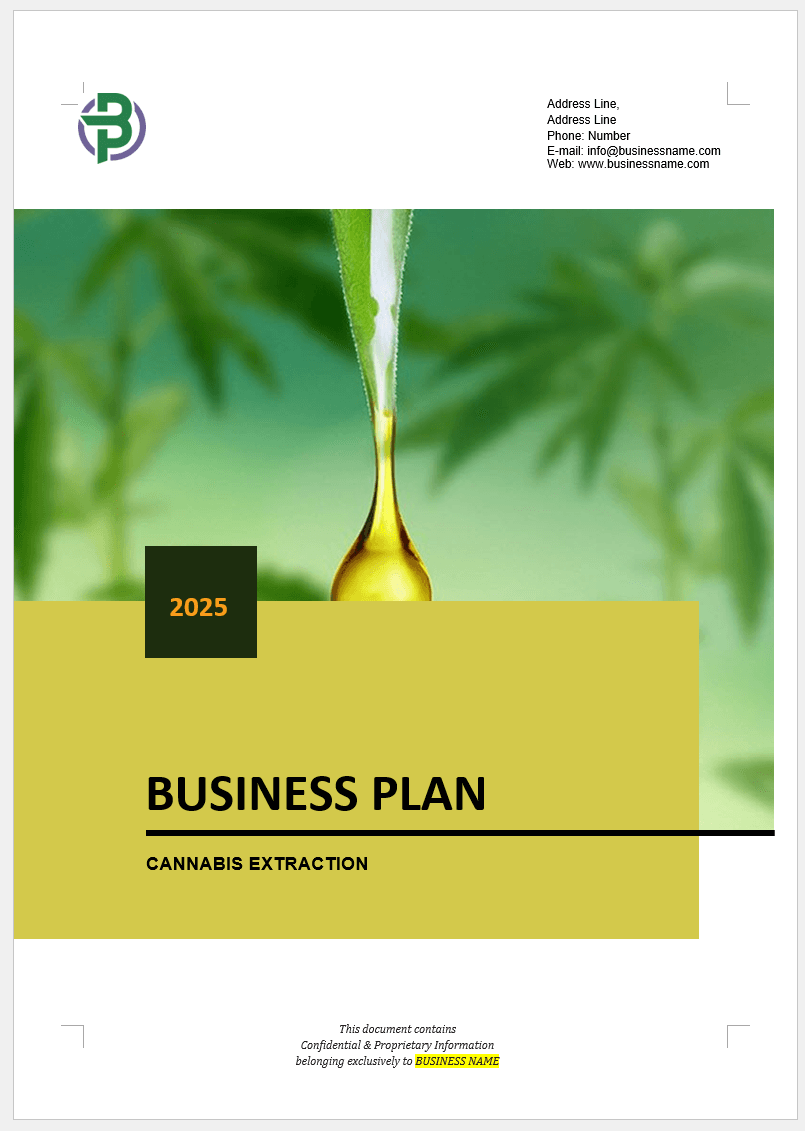
Cannabis Extraction/Concentrates Business Plan Template
Price range: €75 through €350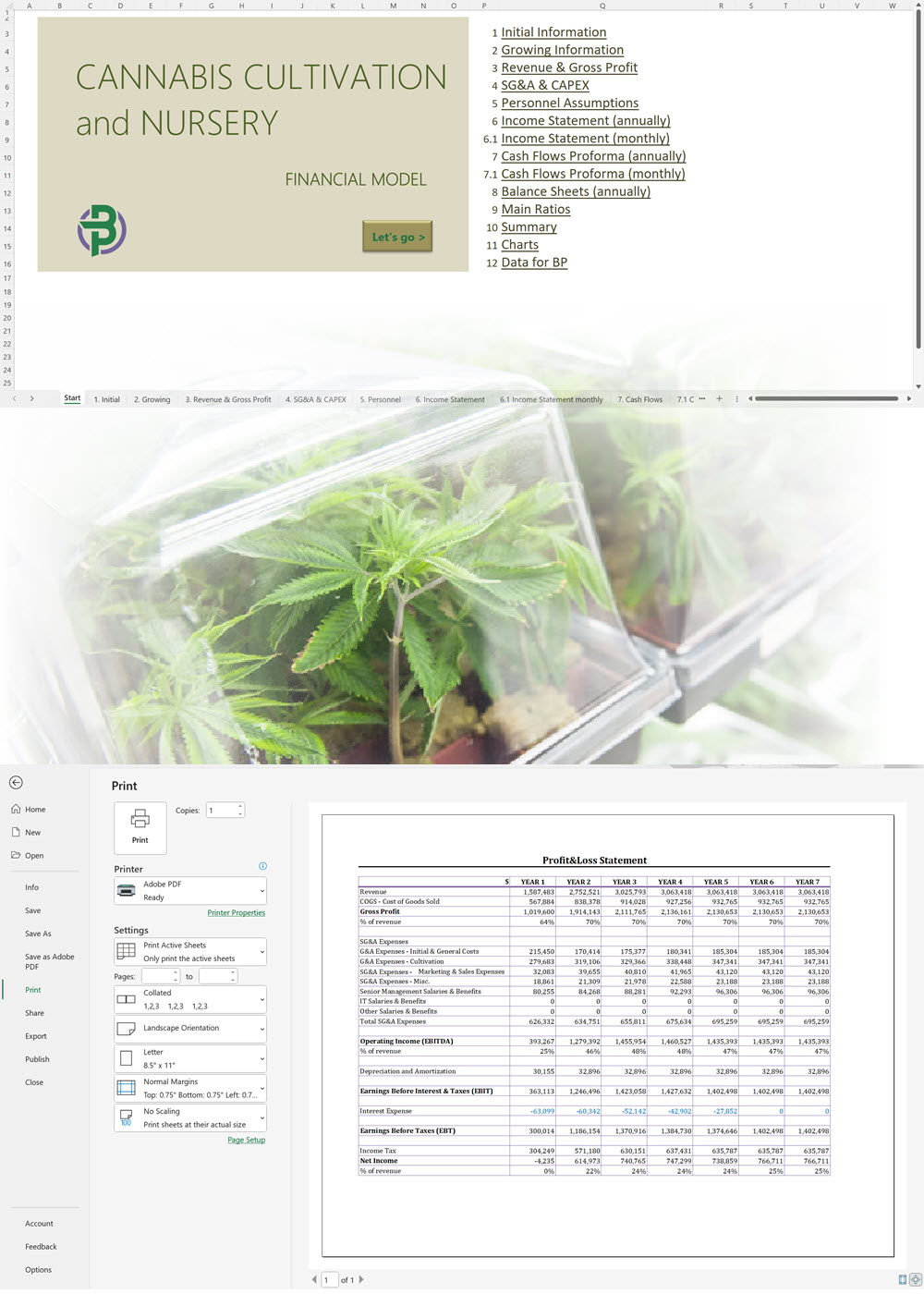
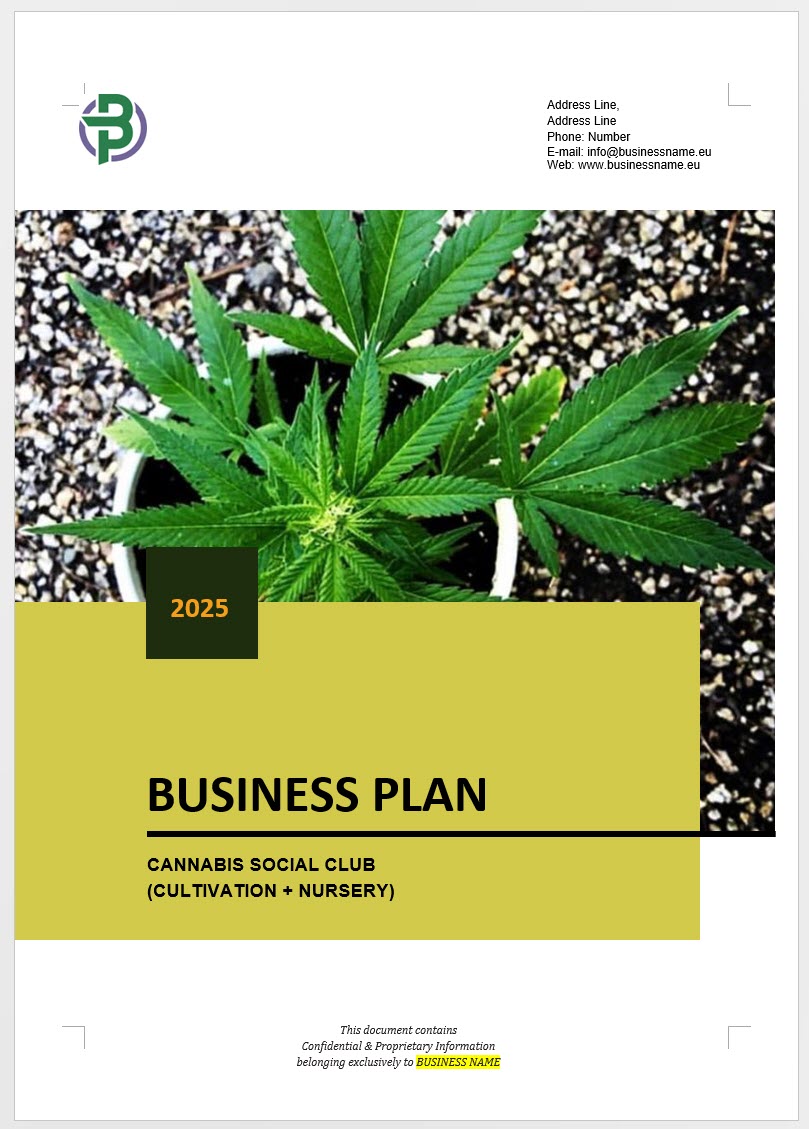
Cannabis Social Club (Cultivation + Nursery) Business Plan Template
Price range: €75 through €350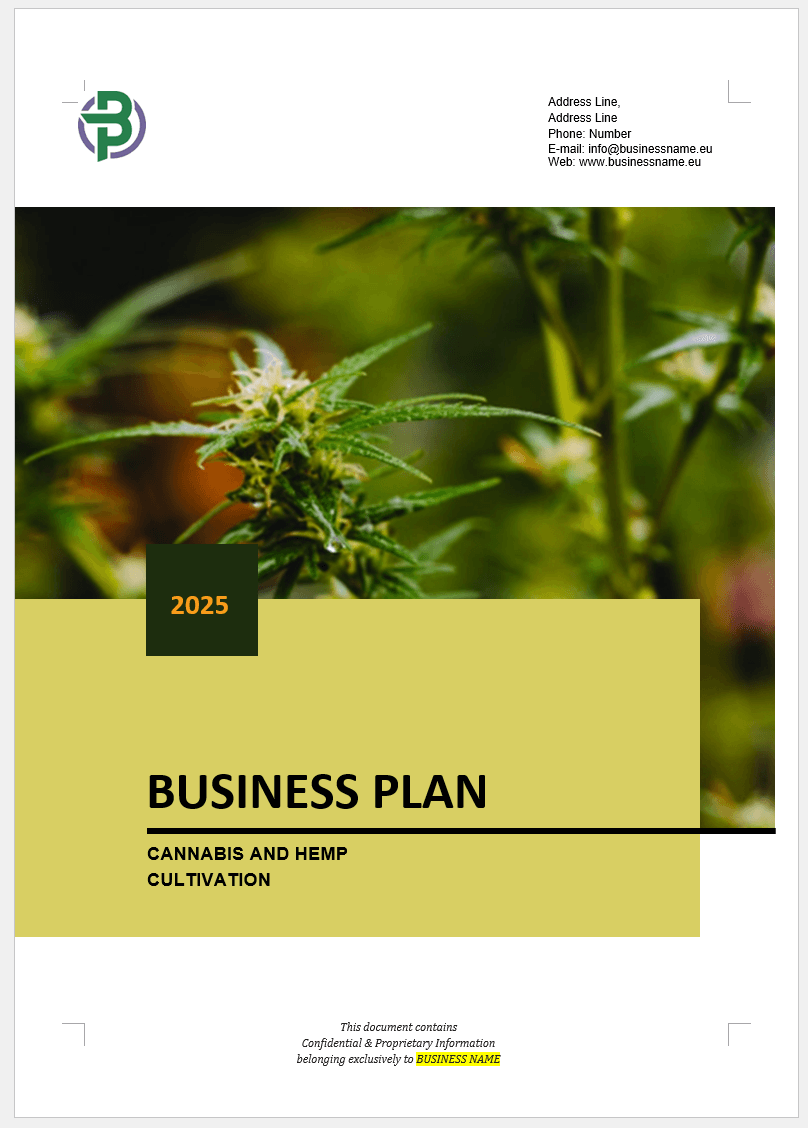
Cannabis and Hemp Cultivation Business Plan Template
Price range: €75 through €350