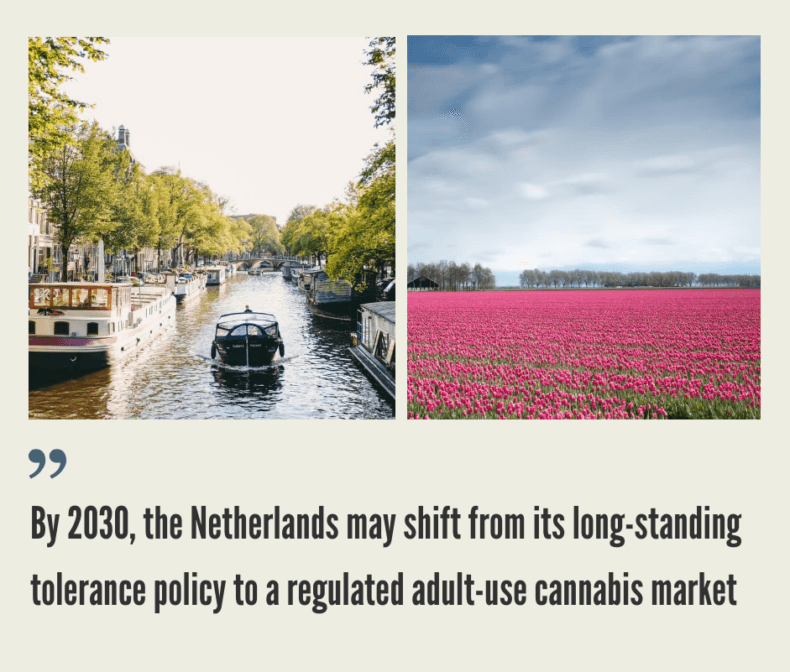
Cannabis Legalization in the Netherlands
In 1976, the Netherlands decriminalized the possession, personal use and sale in coffee shops for on-site consumption of no more than 5 grams of cannabis. In addition, the growth of no more than 5 cannabis plants is also tolerated; if it is discovered, the plants will only be seized but there is no prosecution.
Although the use and sale of recreational cannabis is officially illegal in the Netherlands, the Dutch government adopts a “toleration” policy where it does not prosecute coffee shops for selling cannabis.
Medical Cannabis Legalization
In 2001, the Office of Medical Cannabis (OMC) was created to be responsible for production, import, export and distribution of cannabis for medical and scientific purposes. In 2003, the Netherlands legalized medical cannabis.
Any registered physician can prescribe medical cannabis for any condition where the physician believes there is reasonable evidence of therapeutic benefit for the patient.
Under the Opium Act, it is illegal to bring into or out of the Netherlands, grow, prepare, treat, process, sell, supply, transport, possess or manufacture substances which are included in List I or List II of the Opium Act and this includes cannabis. However, it is possible for individuals wishing to perform certain activities with cannabis to apply for an Opium Act exemption by submitting an application to the OMC.
An exemption may be granted in the following cases:
- It is in the interest of public health or animal health.
- The exemption is needed to perform scientific or analytical chemical research.
- The exemption is required due to the existence of an agreement with another person who has an exemption, a pharmacist or a doctor operating a pharmacy, a veterinary surgeon, a designated institution or person or a holder of an exemption granted in another country for drug import.
An exemption will only be granted if a contract for the cultivation and supply of cannabis is established with the OMC. Supply directly to the market is not permitted. The OMC has the exclusive right to import, export, wholesale and maintain stocks of cannabis and cannabis resin. Previously, it had to purchase and take possession of all harvest from cannabis cultivators holding an Opium Act exemption.
In September 2024, a new policy rule came into force which established an extended Regime 2 for supplying medical cannabis where the OMC does not need to take physical possession of the cannabis. Instead, a company with an Opium Act exemption which wants to trade cannabis products with another exemption holder can do so via the OMC. In this arrangement, the OMC will facilitate the trade of cannabis between the two parties and will only take possession of the medical cannabis on paper; the actual physical transfer will take place between the supplier and the purchaser. One of the parties must complete an application form for delivery of cannabis and submit it to the OMC. A Quality Assurance Agreement will then be created and sent to the supplier and the purchaser and the two parties must agree to it and sign it. The OMC should then be informed of the clear schedule of delivery dates. This new rule went into effect on January 1, 2026.
It is important to note that the supply of cannabis flos (dried flower) directly to pharmacies still remains a “closed chain” that is strictly managed by the OMC to ensure quality. However, additional marketing options exist specifically for cannabis preparations made with cannabis grown on behalf of the OMC, which are considered active substances under the Medicines Act. The OMC facilitates the marketing of these preparations if they are intended for pharmacies and general practitioners with dispensing rights.
An exemption is not required for pharmacists, doctors, dentists and veterinary surgeons to perform certain acts with cannabis. Dutch doctors usually prescribe cannabis for patients suffering from Tourette Syndrome, chronic pain, multiple sclerosis, spinal cord damage, symptoms associated with cancer and AIDS or for those who undergo treatments for cancer and HIV/AIDS. However, the doctors are allowed to prescribe cannabis for any condition, if the circumstances make it the best option for the patient.
Bedrocan is currently the only company officially licensed to produce medical cannabis in the Netherlands. In addition to Bedrocan, three other companies are involved in the medical cannabis supply chain: Steris irradiates it, Ofichem Labs test the cannabis and Fagron packages and distributes it. As of January 2025, the government increased the price of cannabis sold to €6.68 (excluding VAT and prescription fee) per gram of cannabis flower for a 5 gram order.
Recreational Cannabis Trial
In 2017, a controlled cannabis supply chain experiment was proposed. In this experiment, 10 cannabis cultivators would be chosen who would supply all the coffee shops of 10 Dutch municipalities with the cannabis they grow. This cannabis will then be essentially decriminalized for the duration of the experiment, meaning individuals will be able to legally purchase it from the coffee shops in the selected municipalities. In some regions, only residents of the Netherlands will be able to purchase cannabis from the coffee shops.
The study will last for four years and its results will be compared with the situation in the seven control municipalities that are not taking part in the experiment. Only dried flower, edibles, hashish and pre-rolled joint products are allowed to be sold by coffee shops participating in the experiment. The pre-rolled joints and edibles must be made and packaged by growers, not by the coffee shops themselves.
The experiment was approved by the House of Representatives in January 2019 and the bill was then consequently passed by the Senate in November 2019. Beginning from July 2020, cannabis growers could apply to participate in the experiment. The rules for the experiment clearly specified that applicants had to submit a business plan which should have included:
- The cultivation site layout.
- How cannabis will be transported or delivered.
- The applicant’s experience of growing crops.
- How the grower will comply with quality requirements.
- How cannabis will be tested.
- Policy for company’s record-keeping.
- A financial plan.
- How the grower will meet the demand from coffee shops.
In May 2021, selected applicants had to undergo a probity screening and based on the results of the probity screening and a check of the requirements, 10 growers were chosen to participate in the experiment. A more detailed timeline of the experiment can be found on the official website of the Dutch Government.
The government estimated that at least 65,000kg will be required annually as the coffee shops had average daily revenue of 1kg.
In December 2023, the Ministries of Public Health and Justice in the Netherlands announced the launch of a preliminary phase of the experiment in Tilburg and Breda. The coffee shops in these two cities were allowed to have no more than 500 grams of cannabis products from the controlled supply chain as well as up to 500 grams of cannabis sourced from the illegal supply chain. No more than 5 grams of cannabis per day can be sold to an individual.
In June 2024, the transitional phase began with coffee shops in eight more cities now allowed to purchase cannabis from licensed growers. During the experiment, the 500-gram limit placed on cannabis stock of coffee shops does not apply; coffee shops may have one week’s worth of stock on site. Mayors of the participating municipalities are responsible for establishing local rules on how the weekly turnover should be calculated, and may introduce additional rules such as those that would reduce the permitted maximum stock.
The four-year experimental phase started on April 7, 2025, with coffee shops in the 10 participating municipalities now only permitted to sell cannabis products supplied by designated growers. However, due to supply concerns, it was decided that the requirement to source cannabis products from only domestic suppliers would not be enforced until September 1, 2025, in order to allow growers more time to increase production.
The Netherlands is currently pioneering a landmark shift in European drug policy by establishing a regulated framework for the commercial cultivation and retail of adult-use cannabis. Should the experiment conclude successfully in 2029, demonstrating that a transparent, commercial market enhances consumer safety, product quality, and economic growth, it will likely serve as the definitive blueprint for a permanent national rollout. Furthermore, a successful outcome in the Netherlands can also act as a catalyst for other major European markets, such as Germany and Switzerland, as they expand their own regulated adult-use initiatives.
Obtaining an Exemption to Start a Medical Cannabis Business
Detailed information regarding the exemption for growing, importing or exporting cannabis can be found in the Opium Act Ministerial Regulation. Some information that needs to be included when applying for these exemptions is highlighted below.
The application process for these exemptions is similar:
- Submit a completed application form to the OMC and the form will be given to the Health and Youth Care Inspectorate.
- Within three months, the OMC will decide whether to grant the exemption, taking into account the Health and Youth Care Inspectorate’s advice.
Opium Act Exemption
An exemption for growing cannabis or producing cannabis medicines will only be granted if all cannabis grown or medicines produced are then supplied to the OMC; direct supply to the market is not allowed.
Application processing fee: €1,000
Annual fee during term of the exemption (due on 1 January): €700
The exemption is valid for five years. After five years, a new application for the exemption has to be made, along with the payment of the application processing fee.
The applicant will need to:
- Potentially undergo a security screening.
- Meet special security requirements relating to the transport and storage of cannabis. These will be determined on a case-by-case basis.
- Meet special requirements relating the quality of cannabis.
- Keep a quality file for each product.
Importing and Exporting Cannabis
The OMC has the legal exclusive right to import and export cannabis. Therefore, anyone wishing to import or export cannabis or cannabis resin must enter into an import or export agreement with the Office for Medicinal Cannabis, which acts on behalf of the Minister of Health, Welfare and Sport.
Application processing fee: €40
Alternatively, a business holding an Opium Act Exemption can import or export medical cannabis to another business holding an Opium Act Exemption under the extended Regime 2. Please see the full procedure for this pathway here.
Cannabis Market in the Netherlands
Medical Cannabis
Since 2017, the number of prescriptions issued annually for medical cannabis in the Netherlands has been falling. According to data from the Pharmaceutical Key Figures Foundation (SFK), annual prescriptions for medical cannabis fell from around 53,000 in 2017 to approximately 39,000 in 2023. In 2024, public pharmacies dispensed cannabinoids (includes medical cannabis and cannabidiol) more than 37,000 times – down by 3.5% from 2023. The number of patients also fell with there being 6,900 patients in 2024 – 6.2% lower than the 7,300 patients in 2023. However, this is not necessarily an indication of there being few medical cannabis users.
In fact, according to the Health Survey and the Supplementary Substances Module of the Lifestyle Monitor, in 2024, 3.3% of adults in the Netherlands (nearly 600,000 adults) have used cannabis or CBD products for medicinal purposes or self-care at least once. Among them, 43.4% used cannabis, 43% used CBD oil, and 14.7% used THC oil. The more likely reason for the falling number of prescriptions seems to be that the majority of Dutch medical cannabis consumers (93.4% according to the survey) use it without a doctor’s prescription.
A study was published in December 2025 with the aim to investigate patterns of use, reasons for use, and barriers to accessing prescribed medical cannabis. The study used a cross-sectional online survey which was conducted between January and April 2023 with participants being Dutch adults who self-reported current use of non-prescribed cannabis to manage physical or mental health symptoms.
The study found that the most commonly used main source for obtaining cannabis were coffeeshops (reported by 56.1%) – far ahead of the next most commonly reported source which was friend or family, reported by 10.8% of respondents. This makes sense in light of the tolerance policy for cannabis coffeeshops in the Netherlands which allows these coffeeshops to continue to operate and makes them widely available across the country.
Around 81% of survey respondents stated that they consume cannabis in herbal form with other commonly reported forms being sublingual/oral cannabis oil (37.2% of respondents) and cannabis resin (33.2%).
Nearly all of respondents said that they use cannabis for physician-diagnosed medical conditions. Interestingly, despite using non-prescribed cannabis, two-thirds of the respondents actually said that they discussed their medicinal use of cannabis with a physician. The most frequently reported medical conditions were chronic pain (43.5% of respondents), sleep disorder (40.2%), clinical depression (35.8%) and ADHD/ADD (35.3%).
There are five medical cannabis products available which have been tested for composition and contamination, and have consistent dosages. These products are available in the following forms: dried flower buds, ground flower buds, oral tinctures, and ointments. Additionally, magistral preparations that are made from oils are also available.
Adult-Use Cannabis
In 2024, an estimated 6.9% of adults in the Netherlands used cannabis. A survey conducted by Kieskompas and ANP found that 60% of respondents believe that the production, supply, and sale of adult-use cannabis should be legal.
There were 846 cannabis coffee shops in 1999. Since then, the number of cannabis coffeeshops in the Netherlands has gradually fallen but in recent years, there have been signs of stabilization with 563 coffeeshops recorded in 2024 – just two less than in 2022. Of the 563 coffeeshops, 371 are identified as “consumption coffeeshops” where consumers can buy and consume cannabis and 149 are “takeaway coffeeshops” allowing only pick-up of cannabis products. Around a third of the coffeeshops located in Amsterdam.
One of the officially licensed cannabis producers stated in January 2025 that when the facility is fully operations, they expect to produce 8,000 kilograms of cannabis and 1,000 kilograms of hashish annually.
According to the sixth edition of the European Cannabis Report – produced by London-based advisory group Prohibition Partners – the Netherlands could be the largest adult-use cannabis market in Europe by way of sales.
According to Grand View Research, the legal cannabis market in the Netherlands generated revenue of around $64.1 million in 2023. By 2030, this is expected to increase to $337.5 million.
Netherlands Cannabis Market Infographics
How Can Cannabusinessplans Templates Help Start or Grow Your Cannabis Business?
The majority of cannabis licensing programs require the submission of a business plan as part of the application for a cannabis license. Even if it is not mandated by law, a business plan is essential for securing funding and assisting an applicant in understanding how much money it will take to start a cannabis business and how much profit it could make.
A well-structured business plan can make all the difference in helping you demonstrate your proposed cannabis business’ compliance with regulations and its operational viability.
Our complete cannabis business plan template package is everything you need to create a professional business plan for a cannabis business with expert financials and projections. A complete cannabis business plan template package includes:
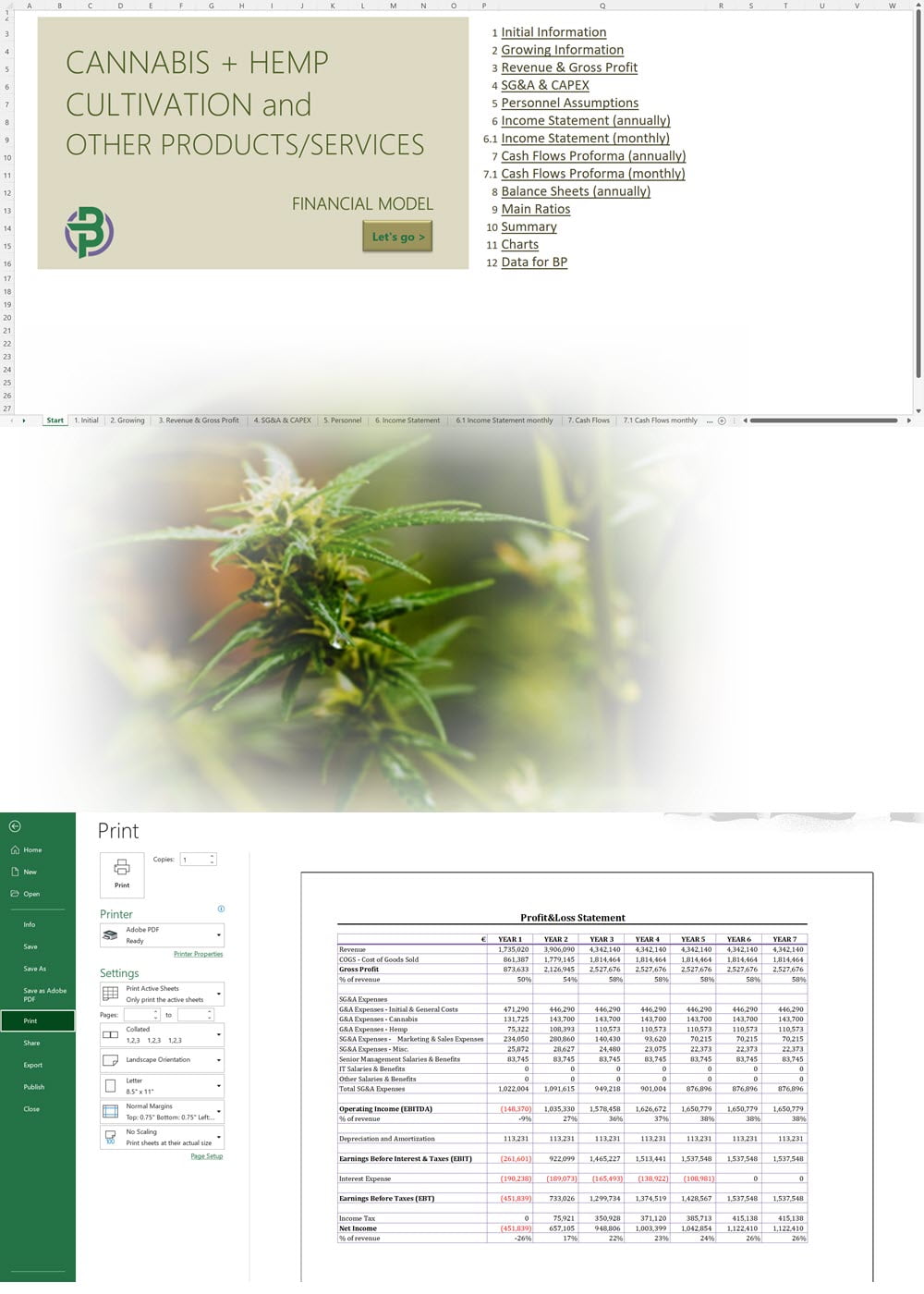
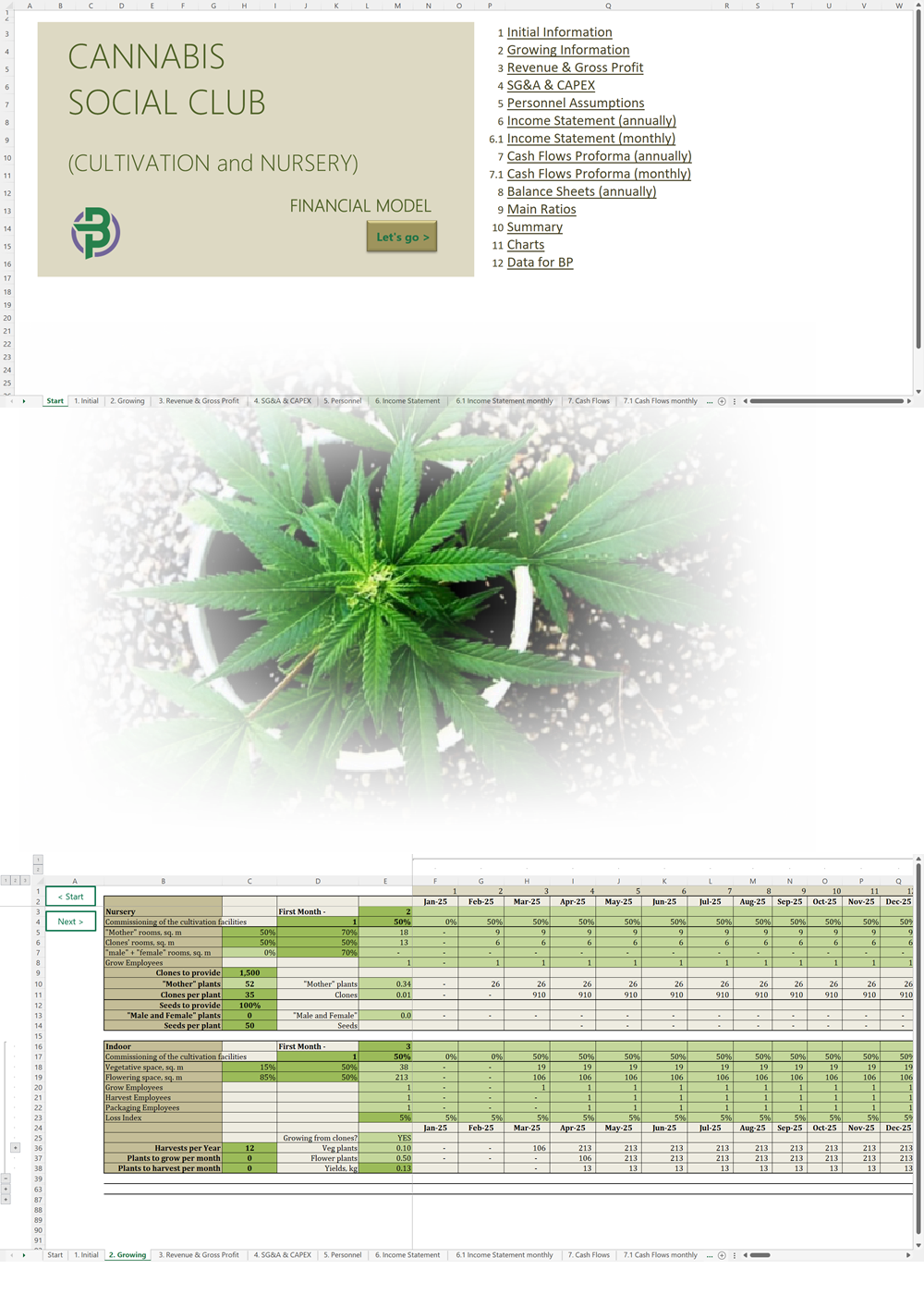
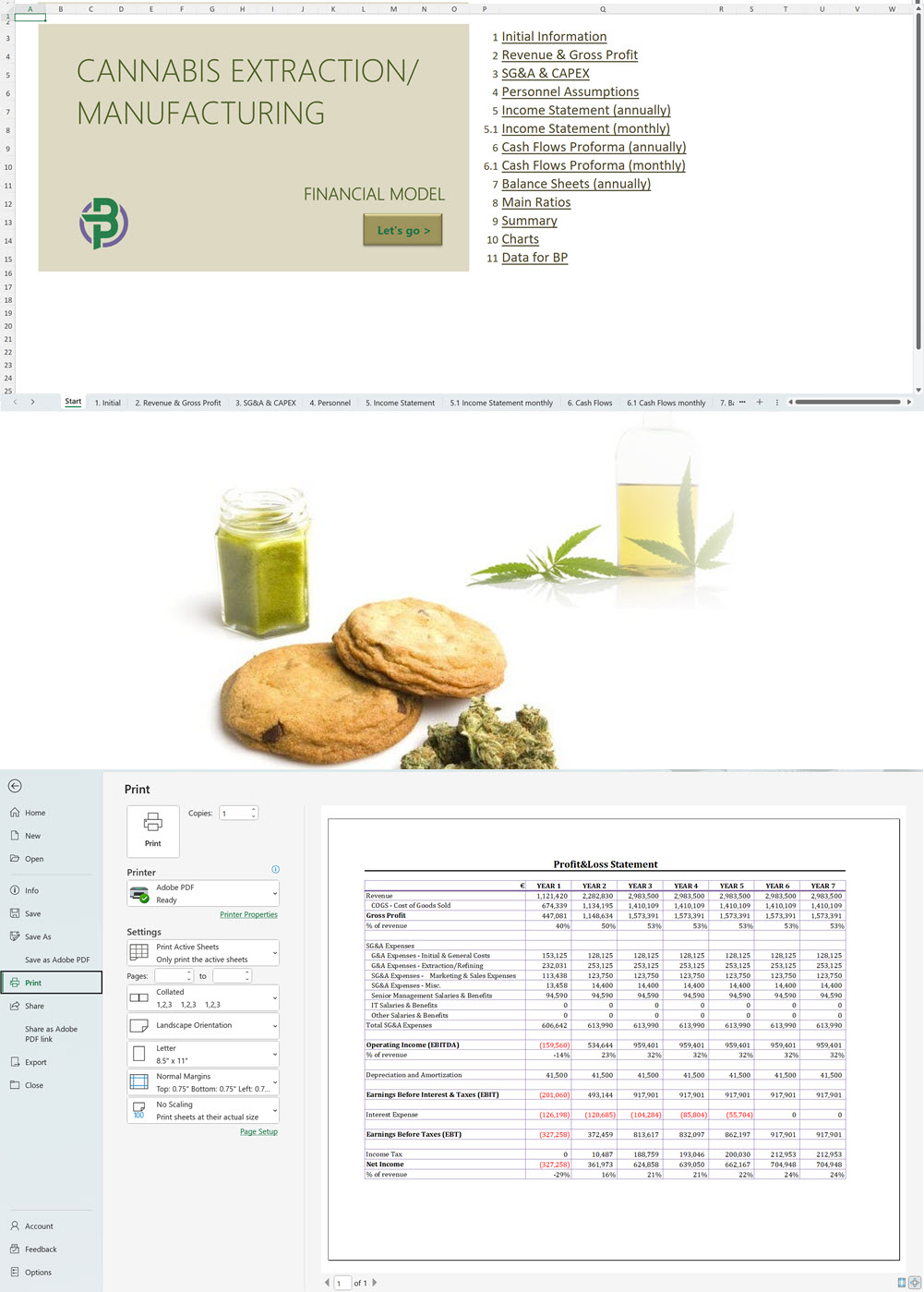
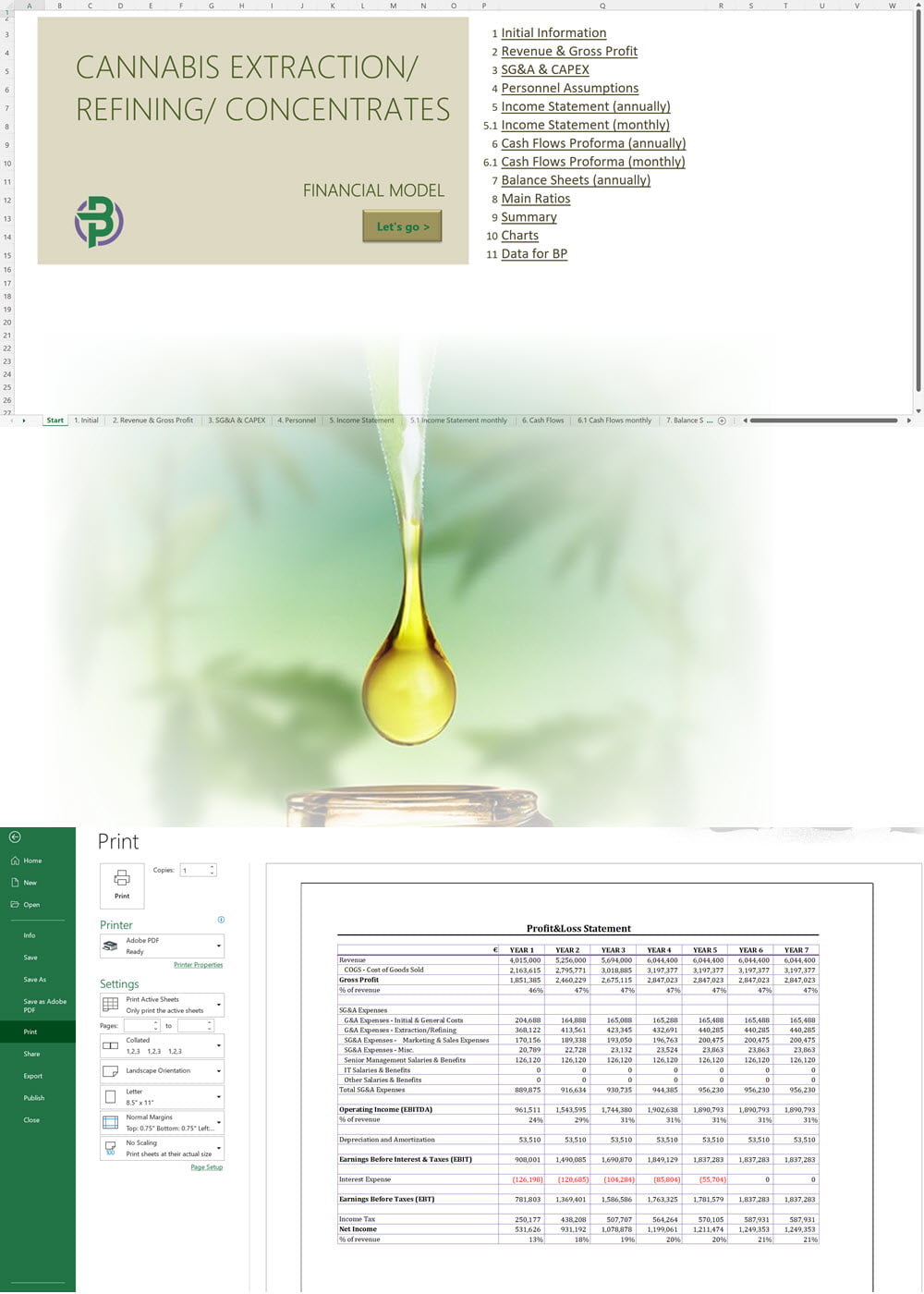
- Excel Financial Model: change variables and immediately see the impact, break down operational and capital costs, know how much it will take to get into the business and the potential profits.
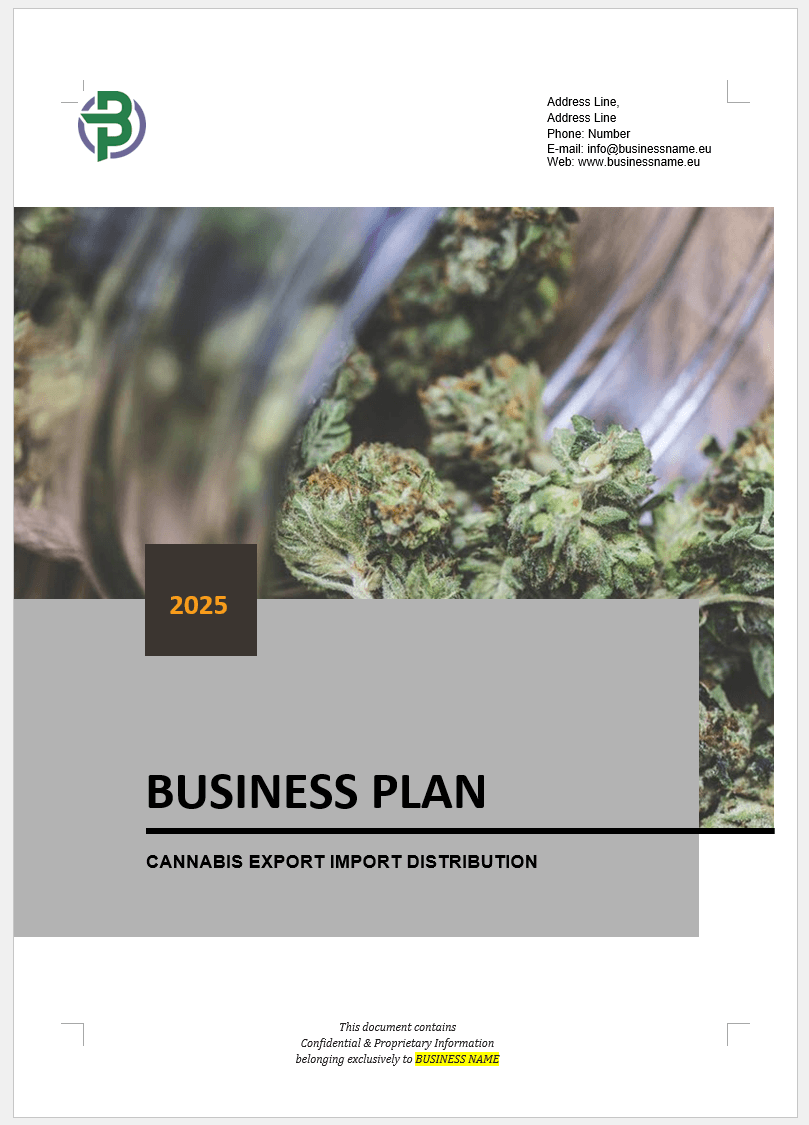
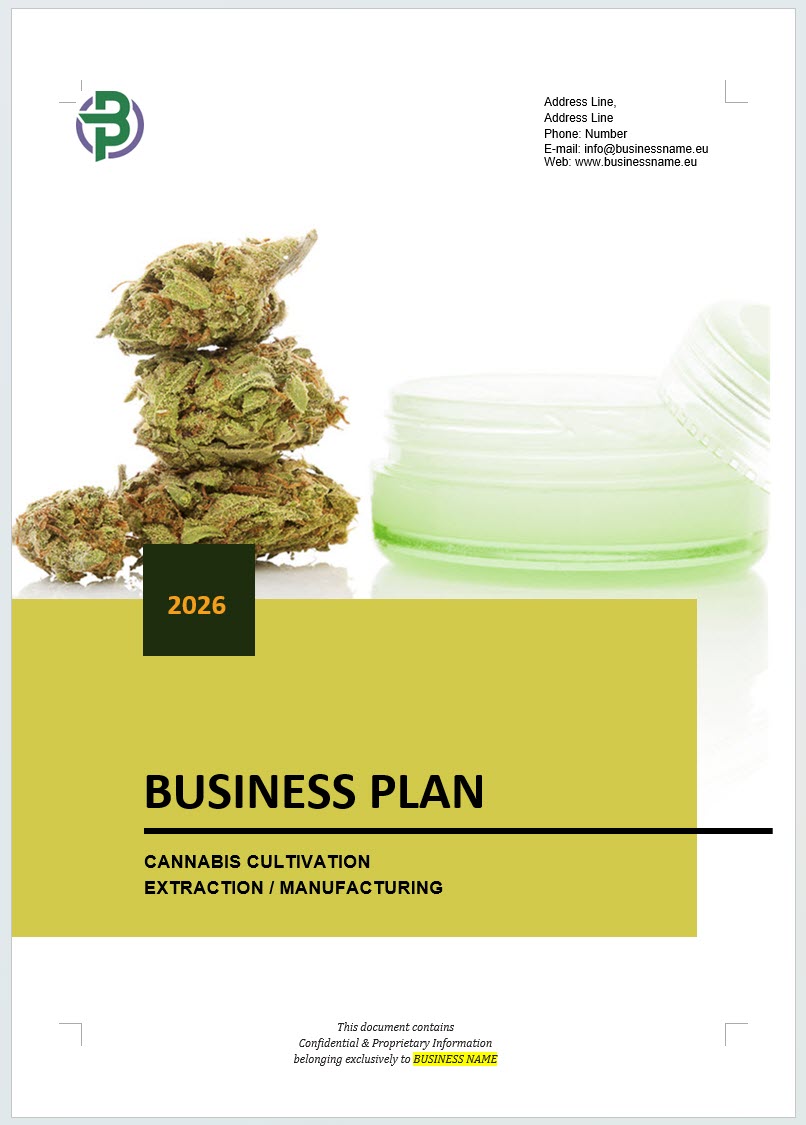
- Word Business Plan: value proposition, market analysis, marketing strategy, operating plan, organizational structure, financial plan and more.
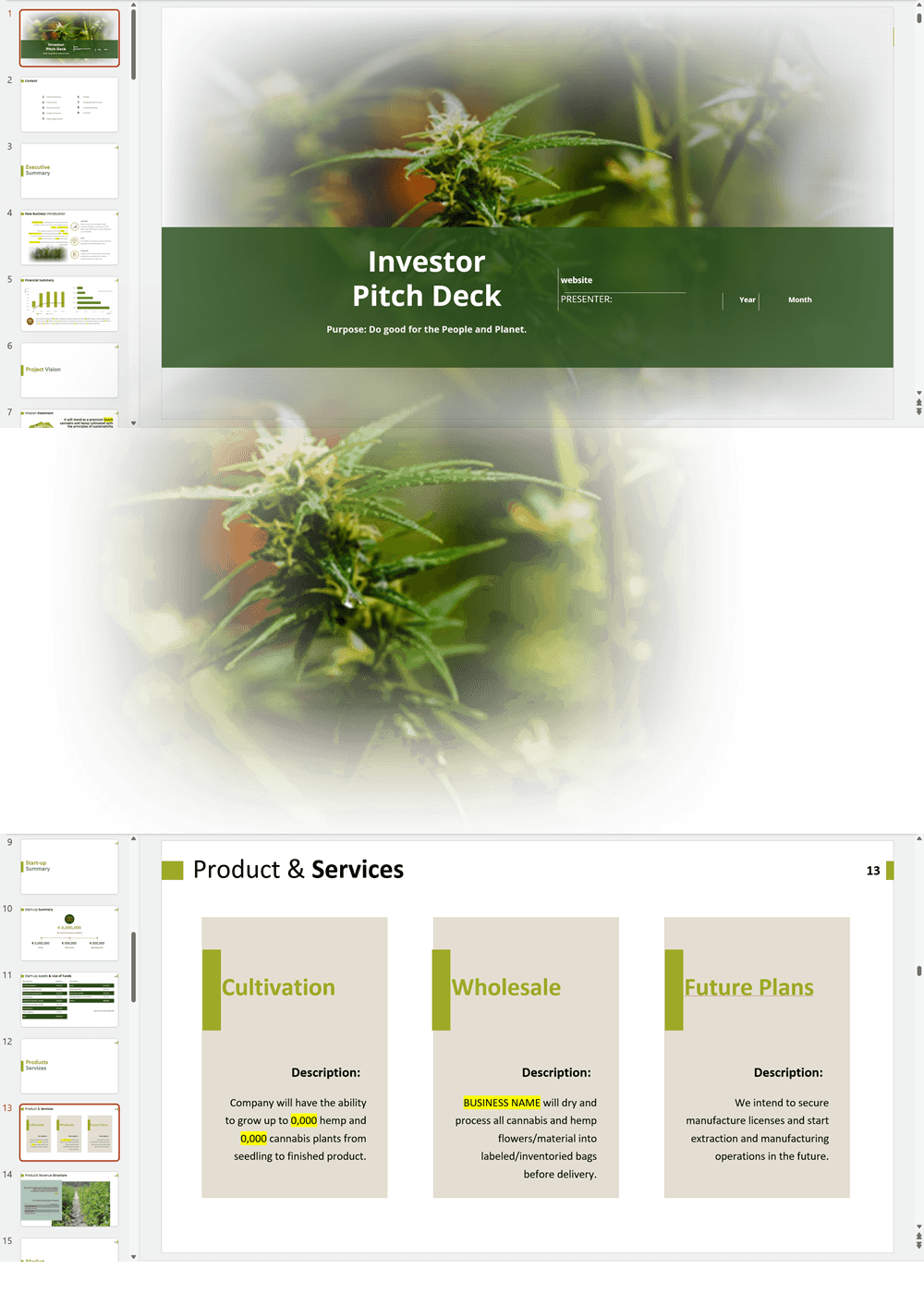
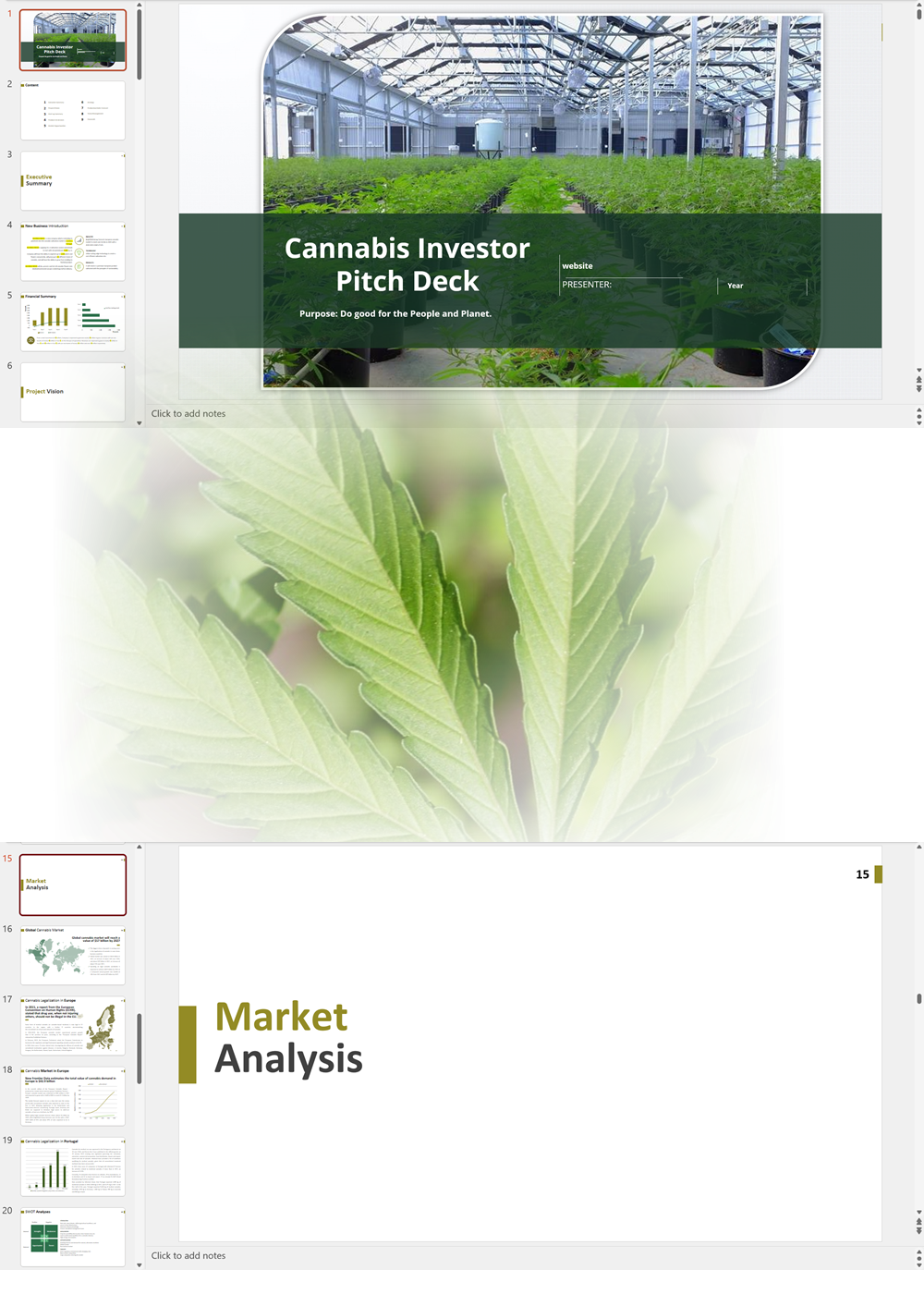
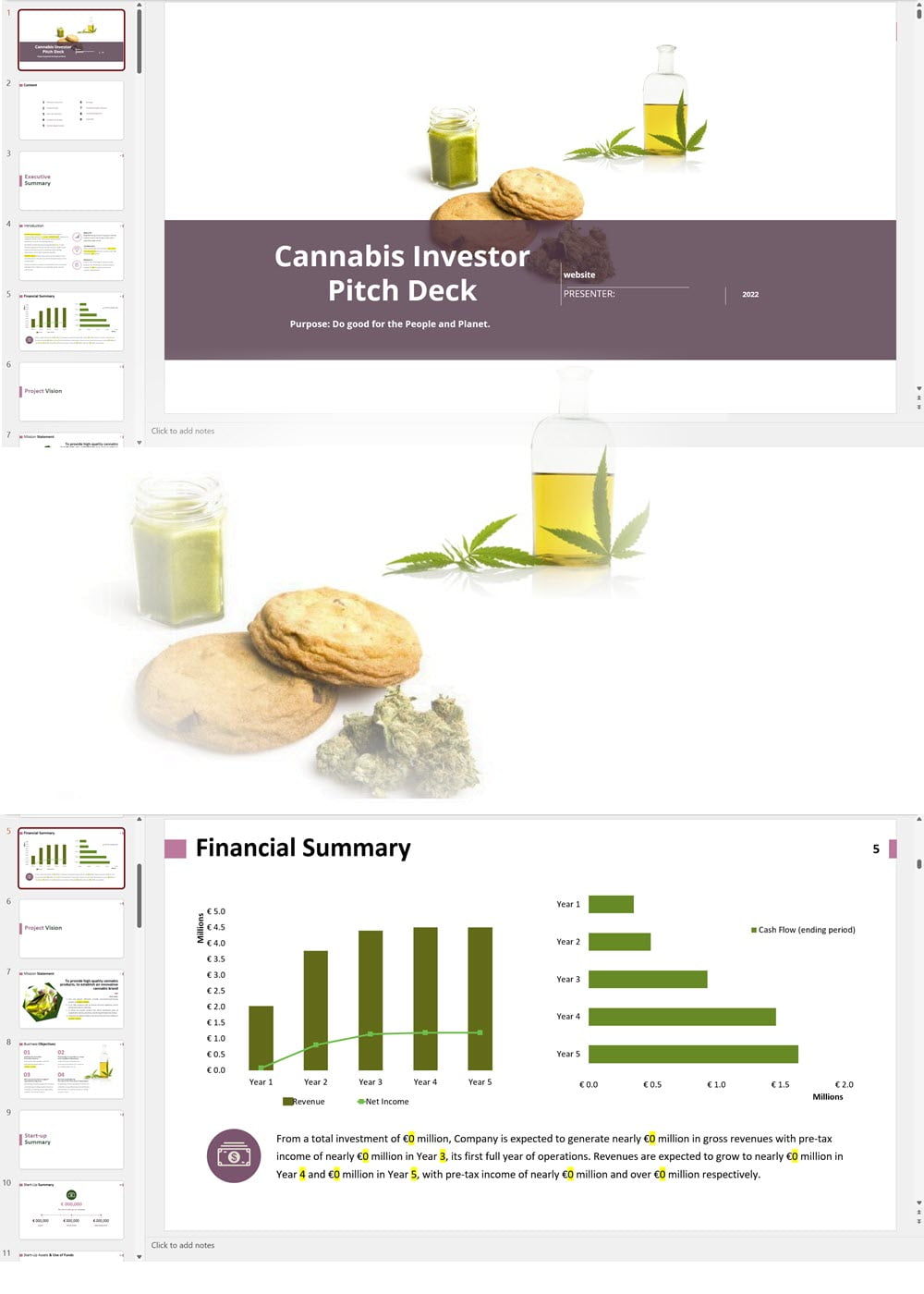
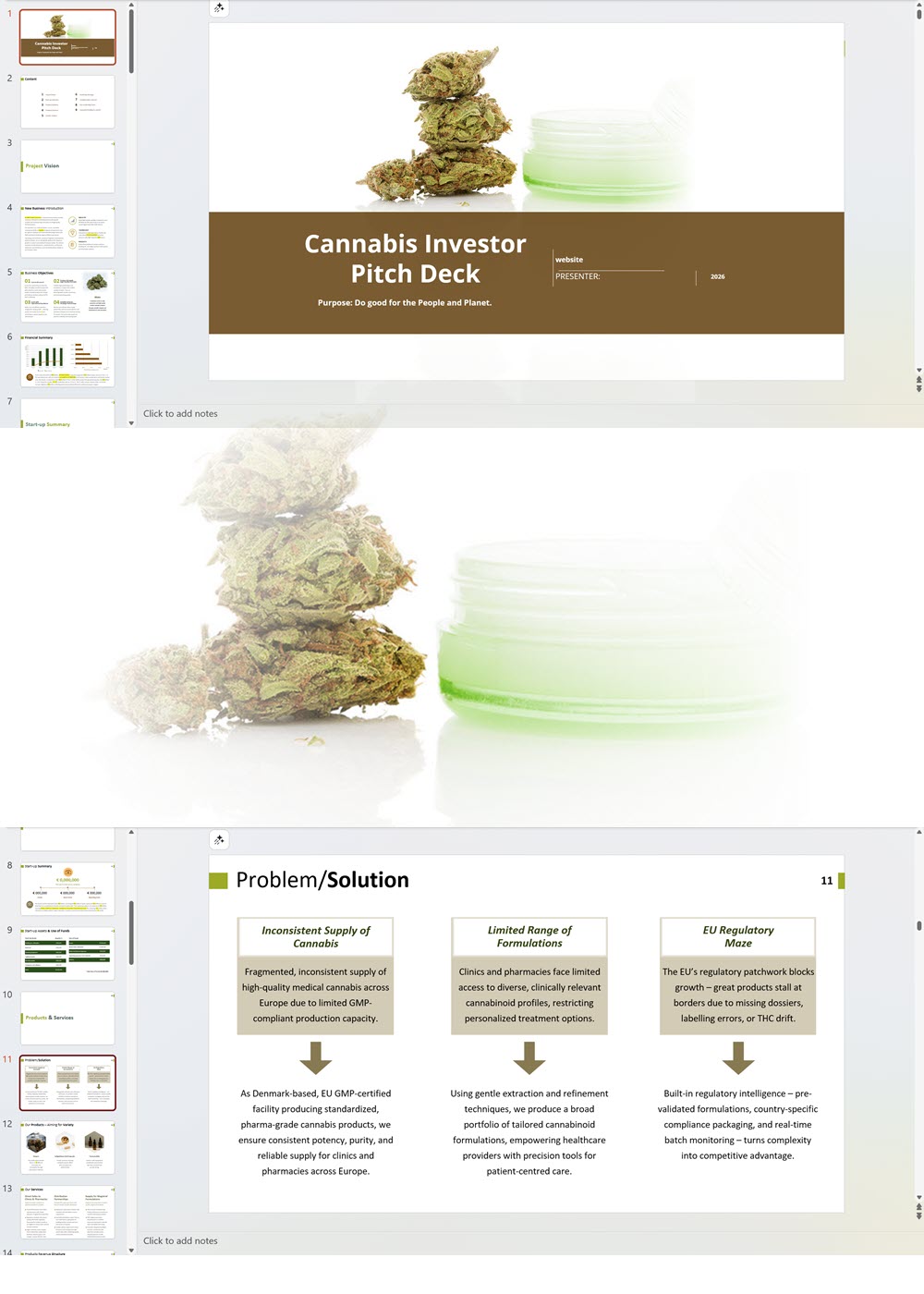
- PowerPoint Pitch Deck: provide a quick overview of your cannabis business plan.
'70% ready to go' business plan templates
Our cannabis financial models and cannabis business plan templates will help you estimate how much it costs to start and operate your own cannabis business, to build all revenue and cost line-items monthly over a flexible seven year period, and then summarize the monthly results into quarters and years for an easy view into the various time periods. We also offer investor pitch deck templates.
Cannabis Lounge + Retail Business Plan Sample, the Netherlands
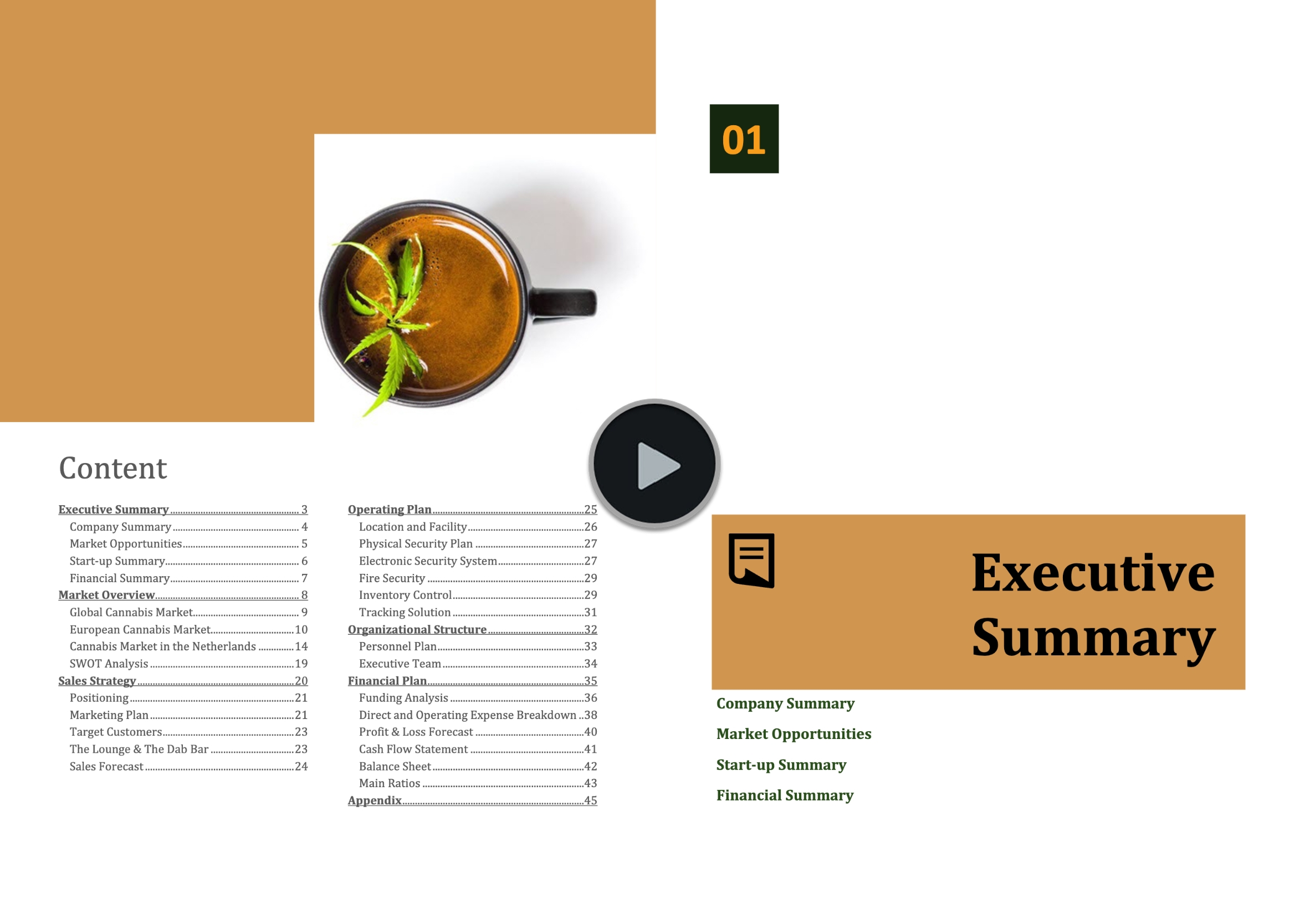
Best Selling Templates
-

Cannabis Cultivation Business Plan Template
Price range: €75 through €350 Select options This product has multiple variants. The options may be chosen on the product page -

Cannabis Dispensary Investor Pitch Deck Template
€75 Select options This product has multiple variants. The options may be chosen on the product page -
Cannabis Financial Model All in One
€250 Select options This product has multiple variants. The options may be chosen on the product page

Hemp/CBD business plan templates are also available at hempcbdbusinessplans.com.
Templates for other countries are available at cannabusinessplans.com.
Our Templates
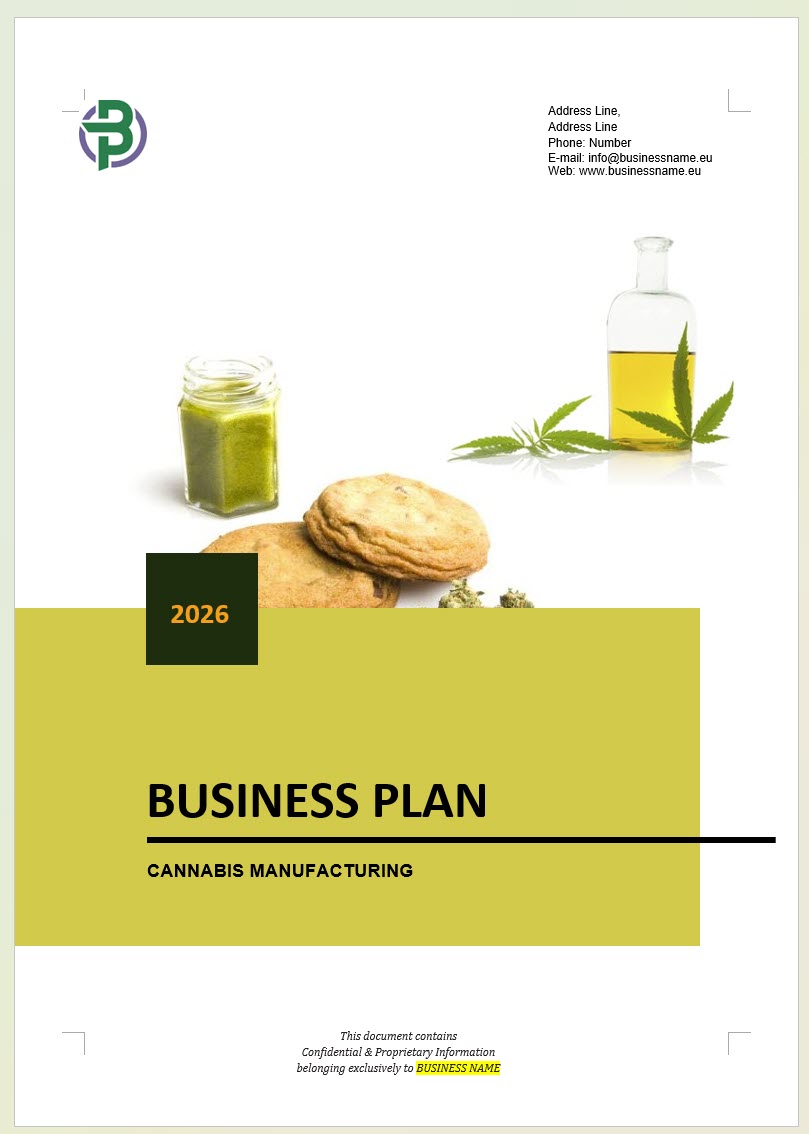
Cannabis Manufacturing Business Plan Template (in-house processing)
Price range: €70 through €250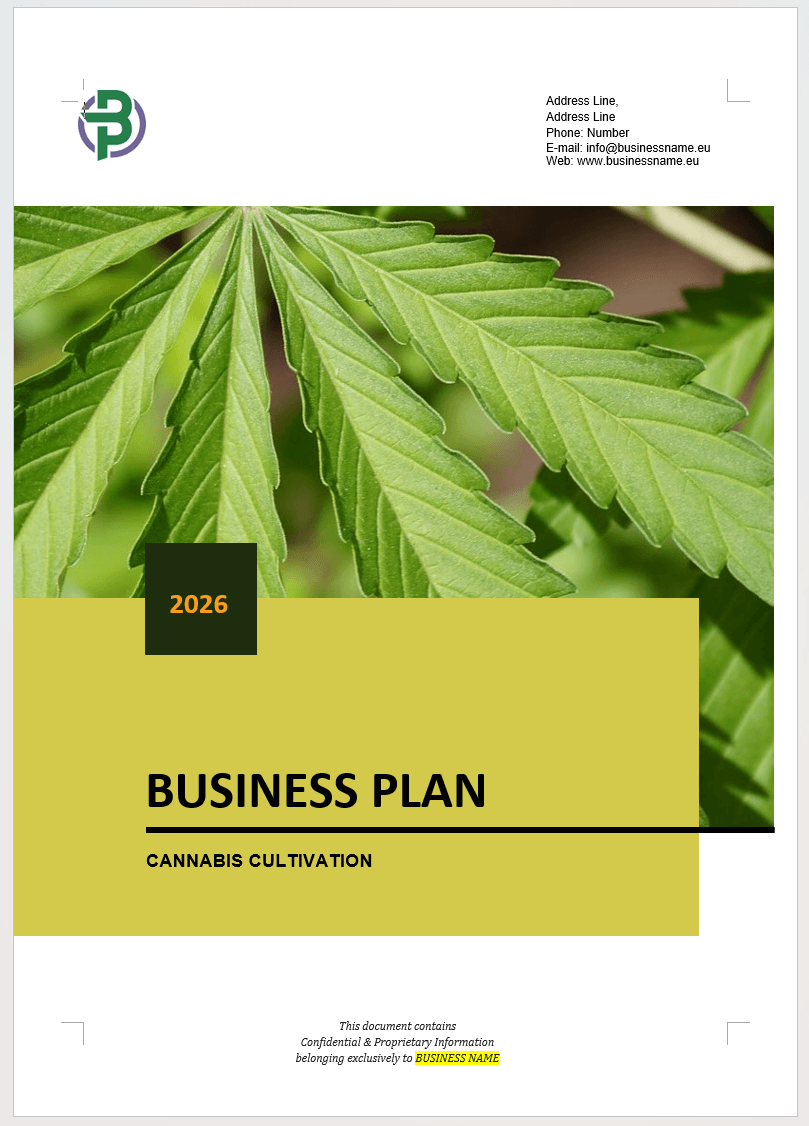
Cannabis Cultivation Business Plan Template
Price range: €75 through €350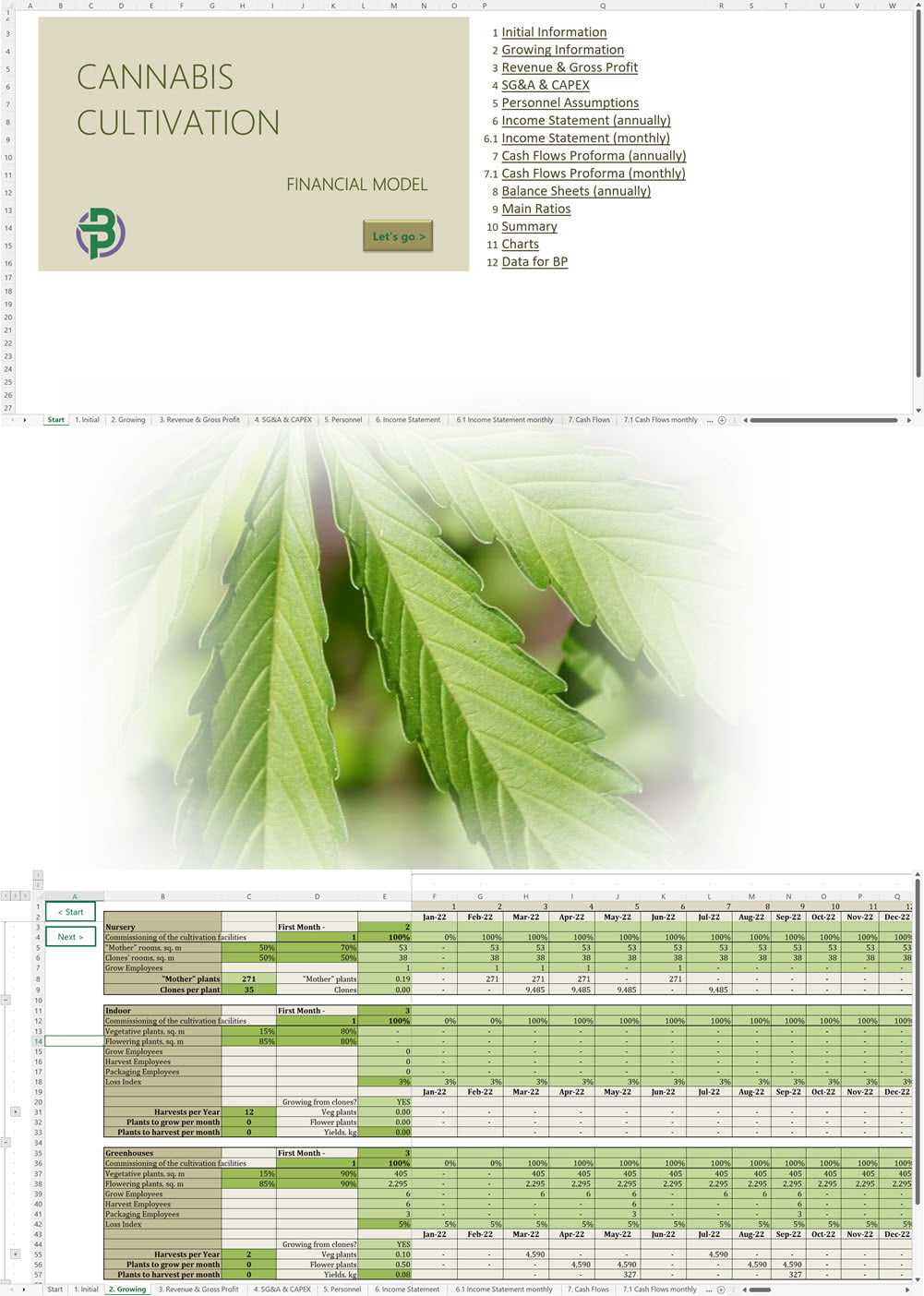
Cannabis Cultivation + Extraction + Manufacturing Business Plan Template
Price range: €70 through €385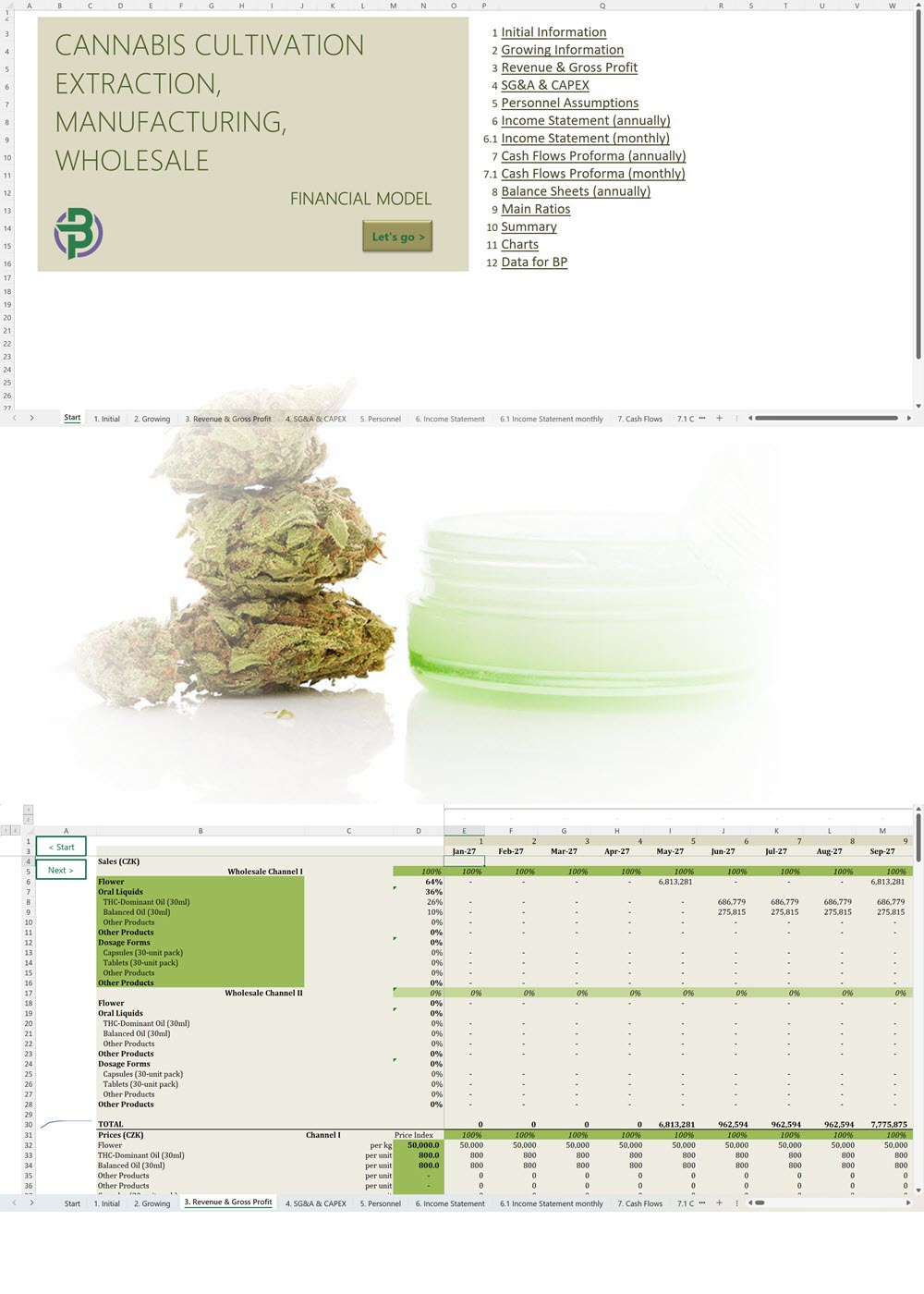
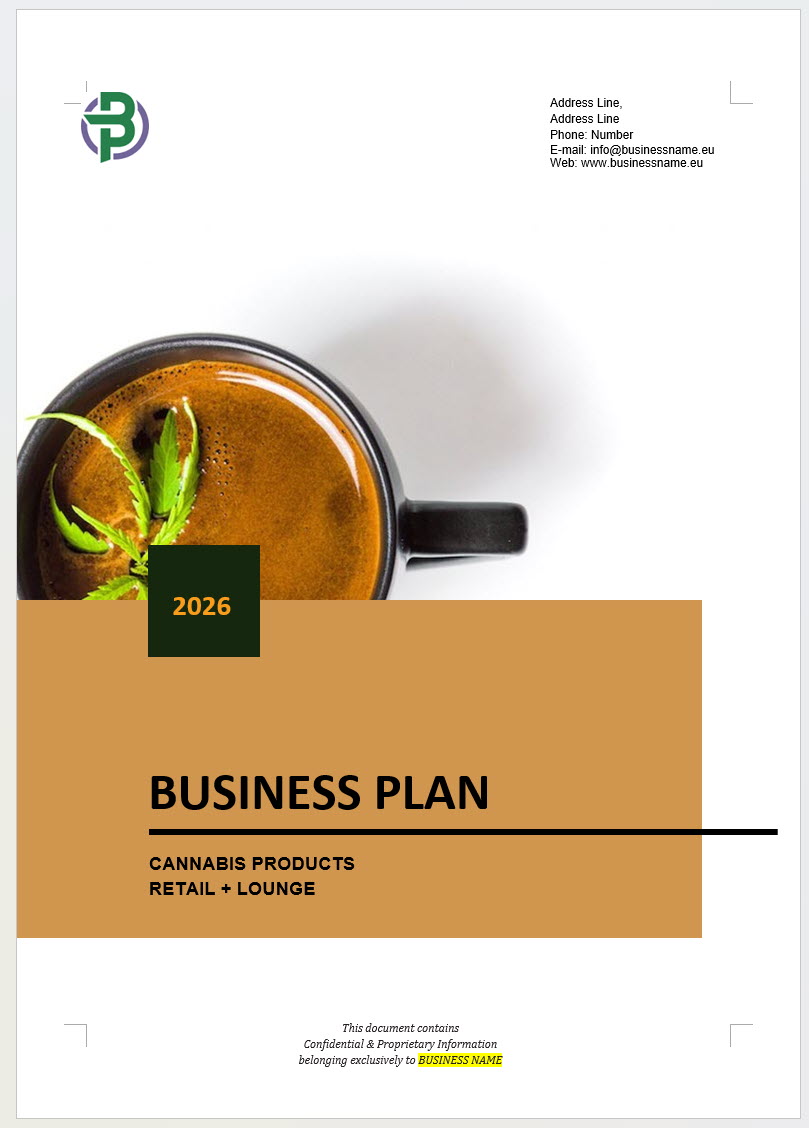
Cannabis Lounge + Retail Business Plan Template
Price range: €75 through €350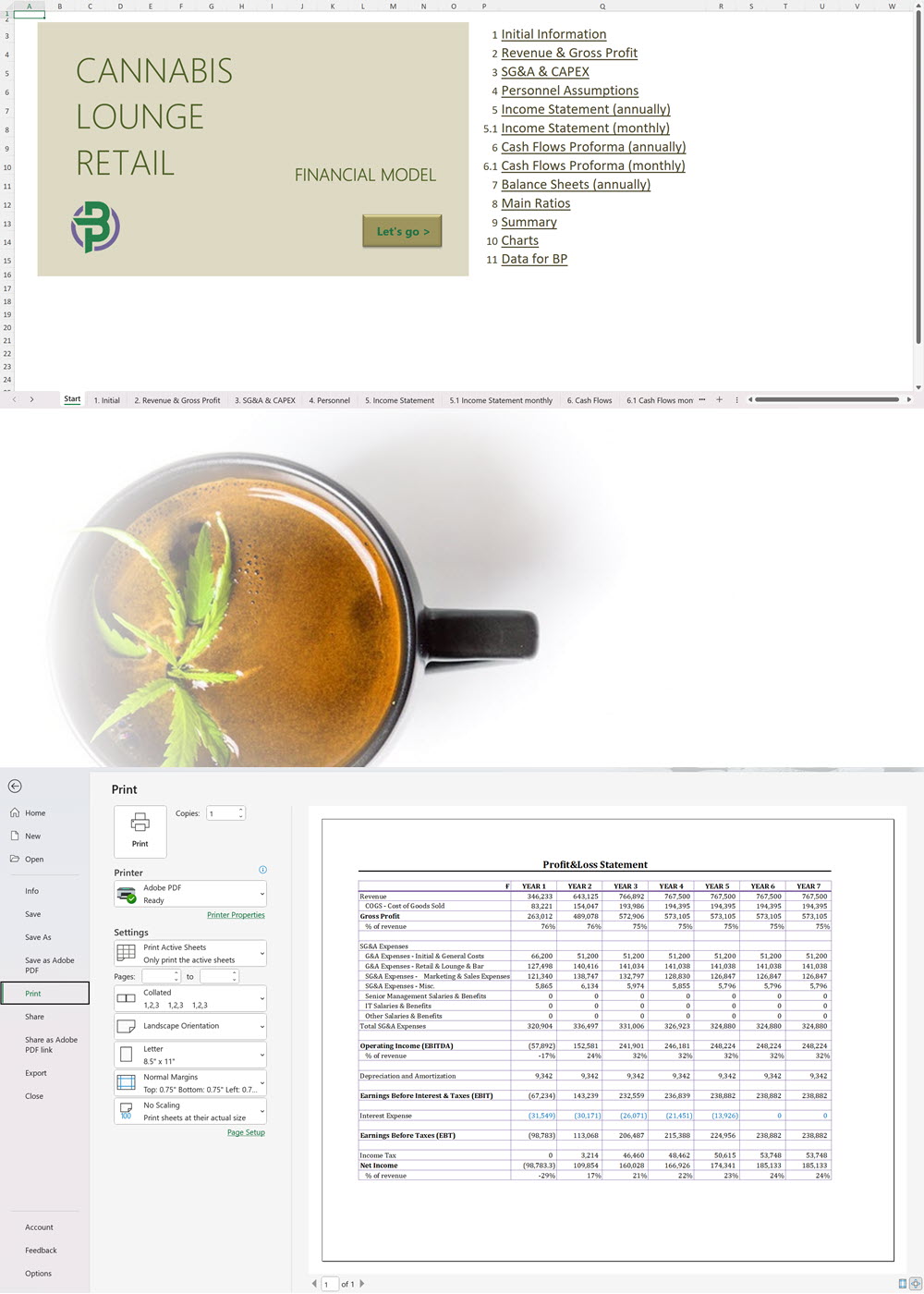
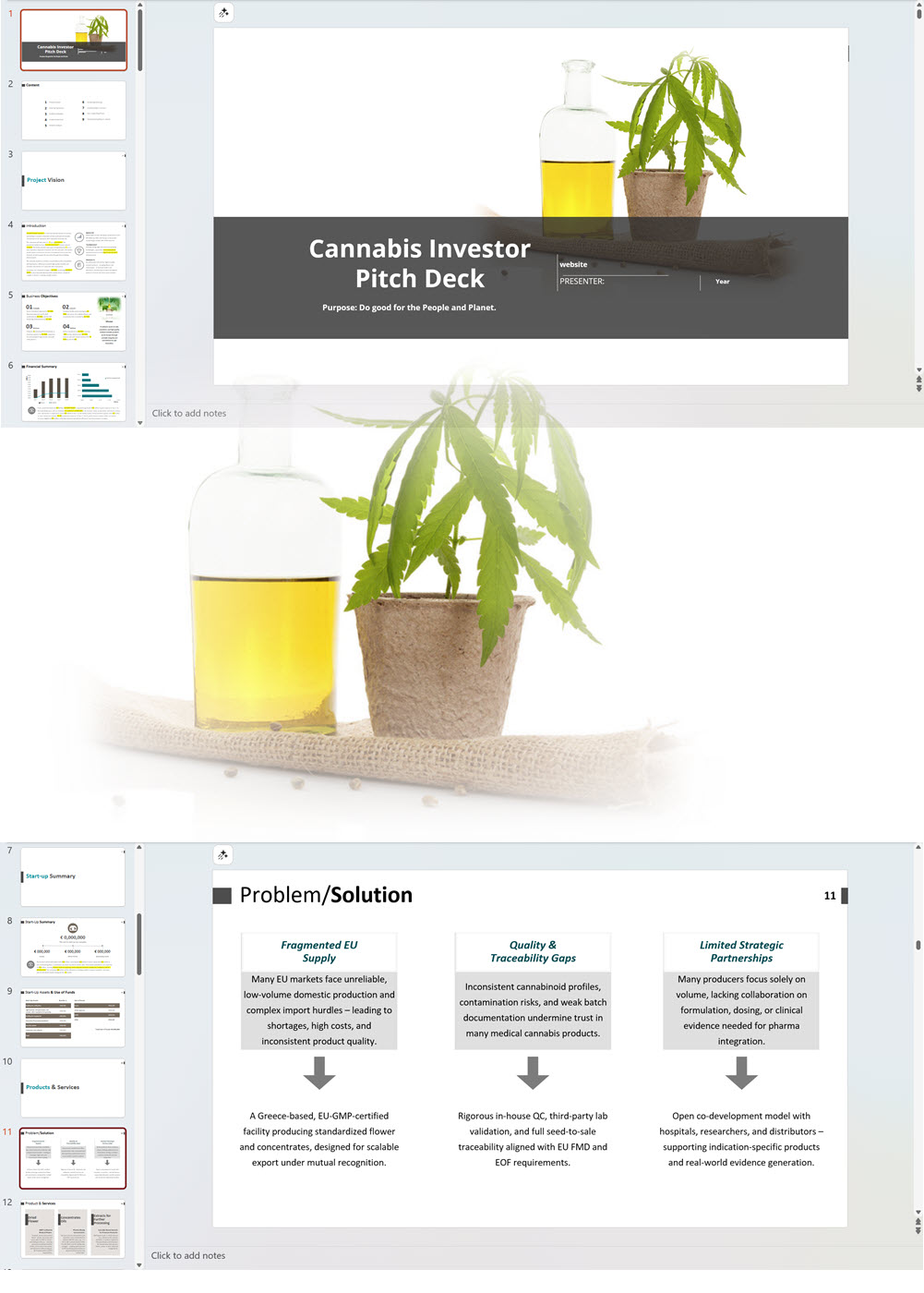
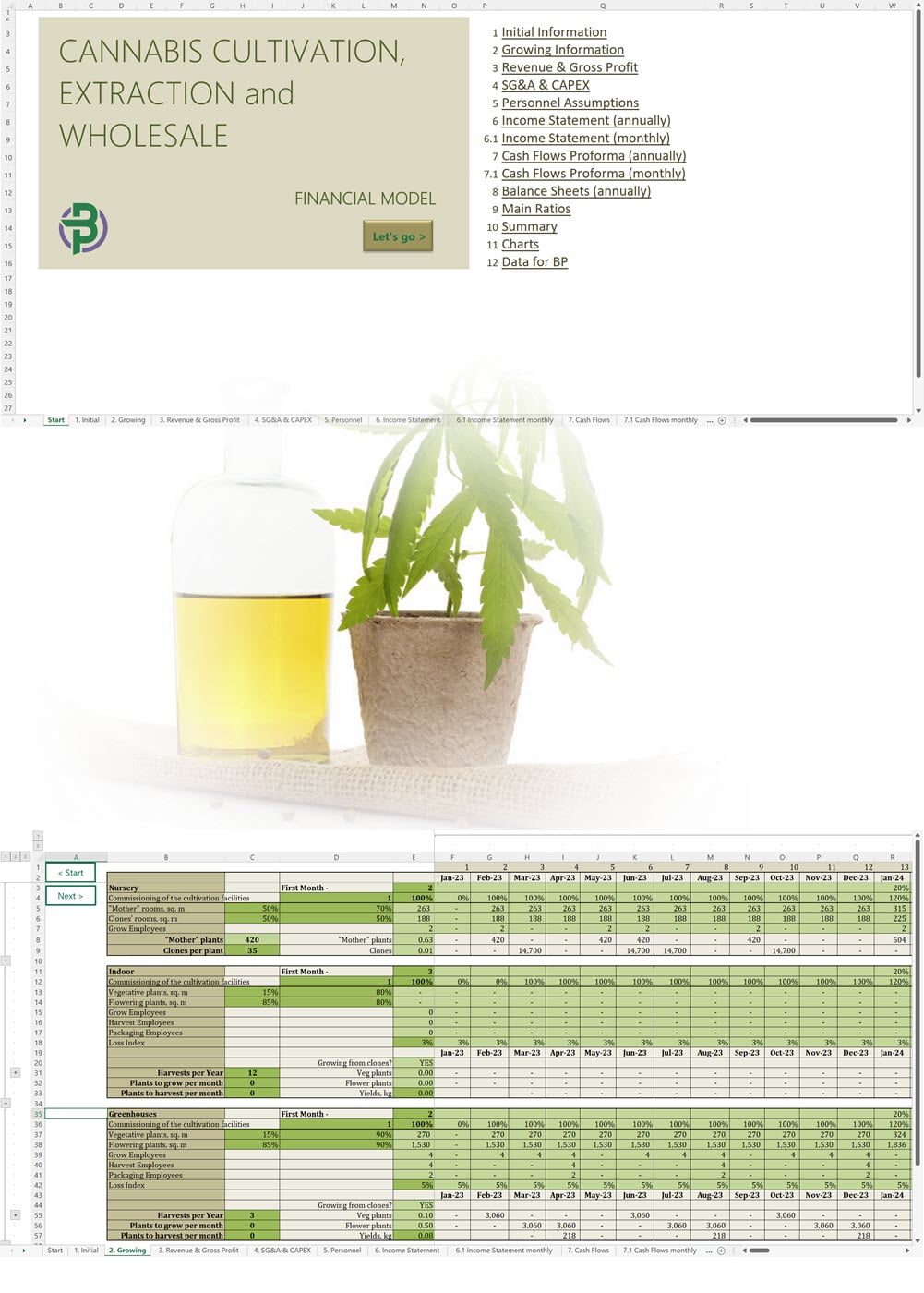
Cannabis Cultivation and Extraction / Concentrates Business Plan Template
Price range: €75 through €450
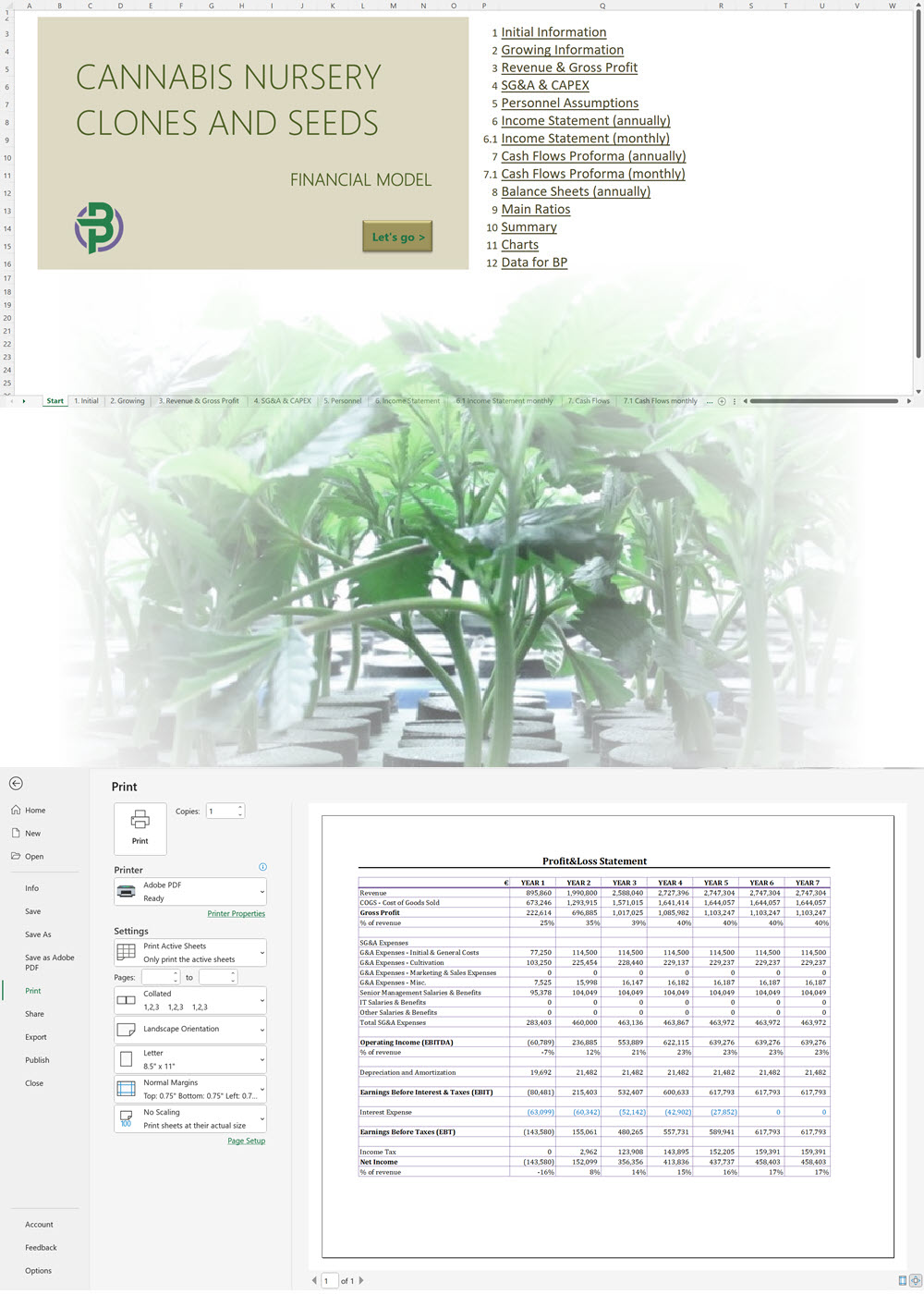
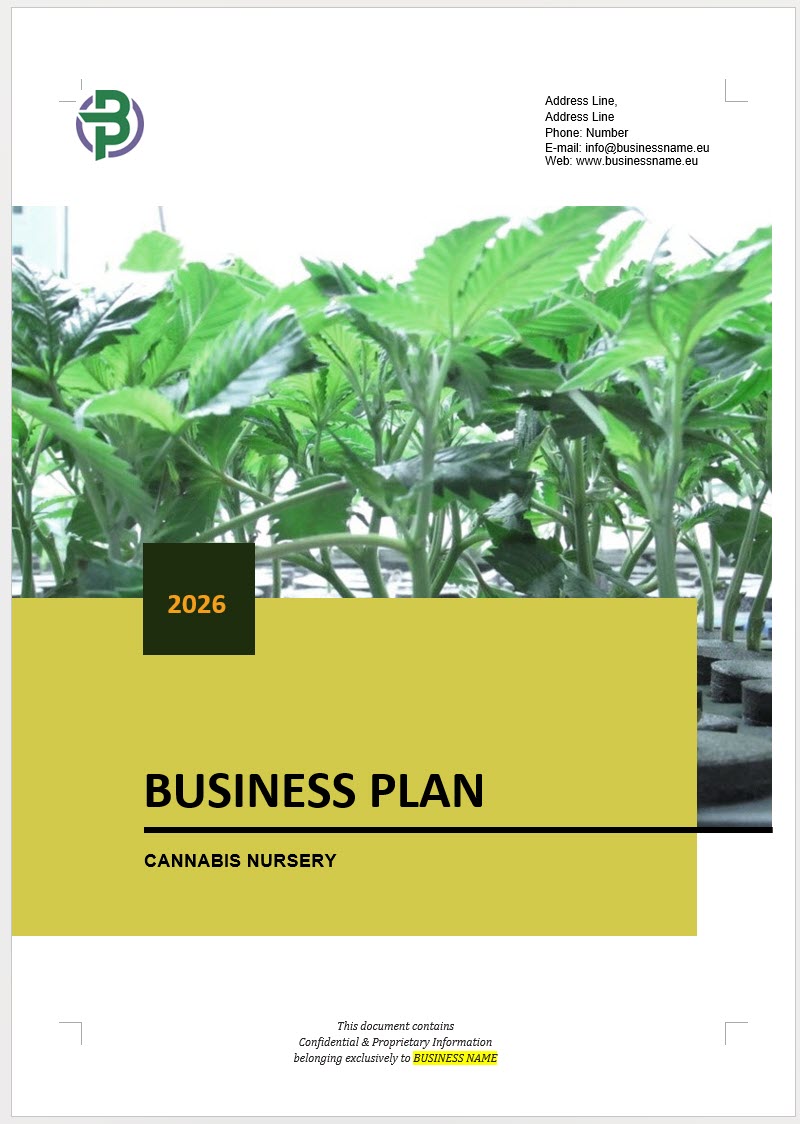
Cannabis Clones/Seeds Nursery Business Plan Template
Price range: €75 through €350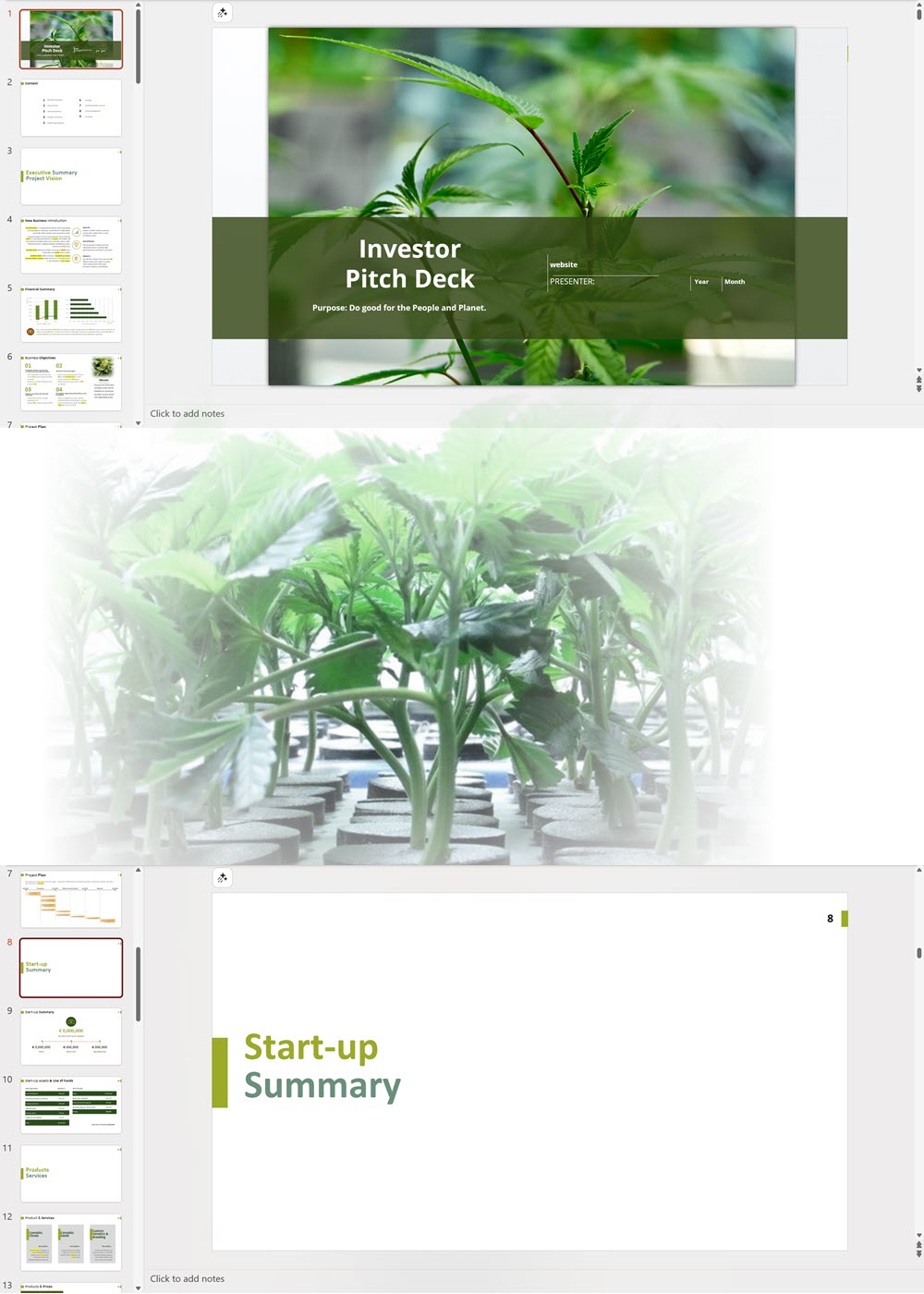
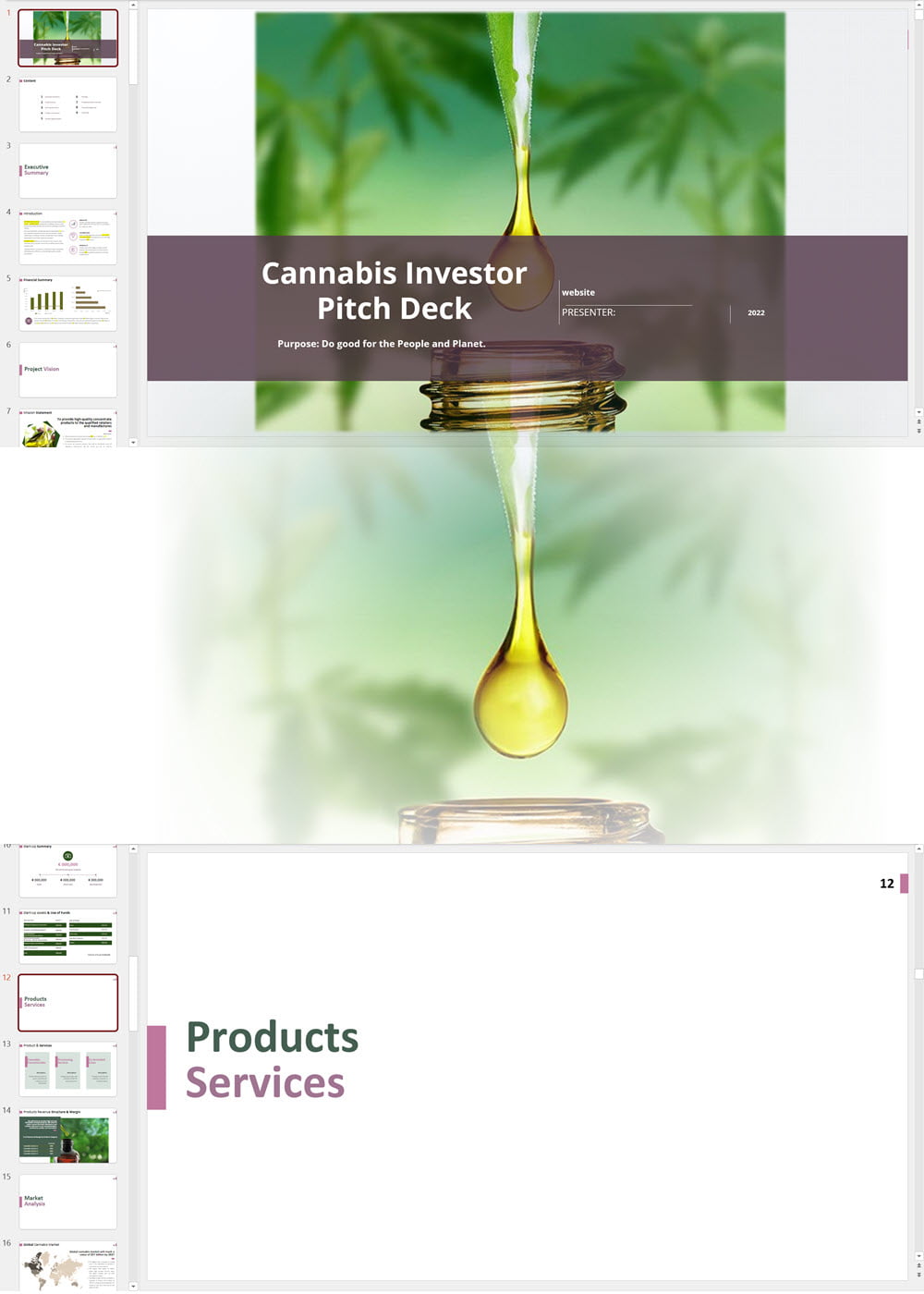
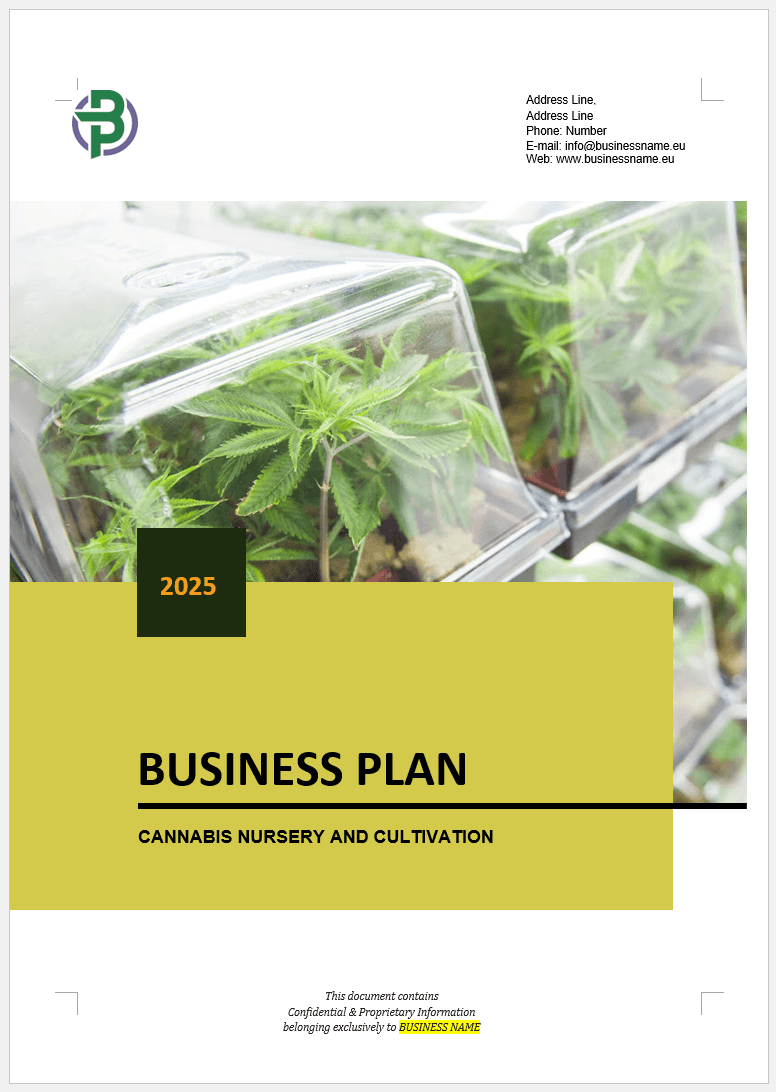
Cannabis Cultivation + Nursery Business Plan Template
Price range: €75 through €350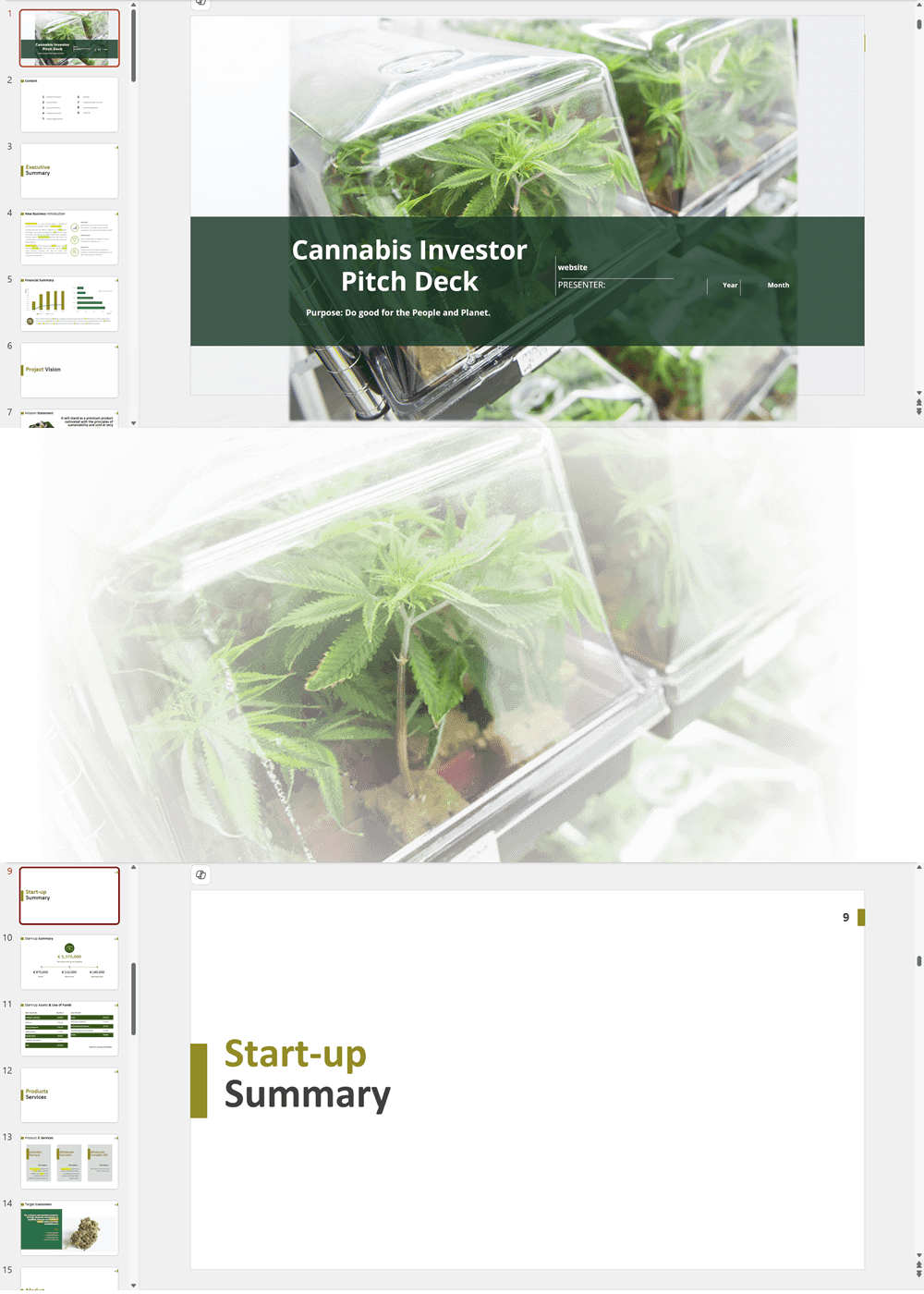
Cannabis Extraction/Concentrates Business Plan Template
Price range: €75 through €350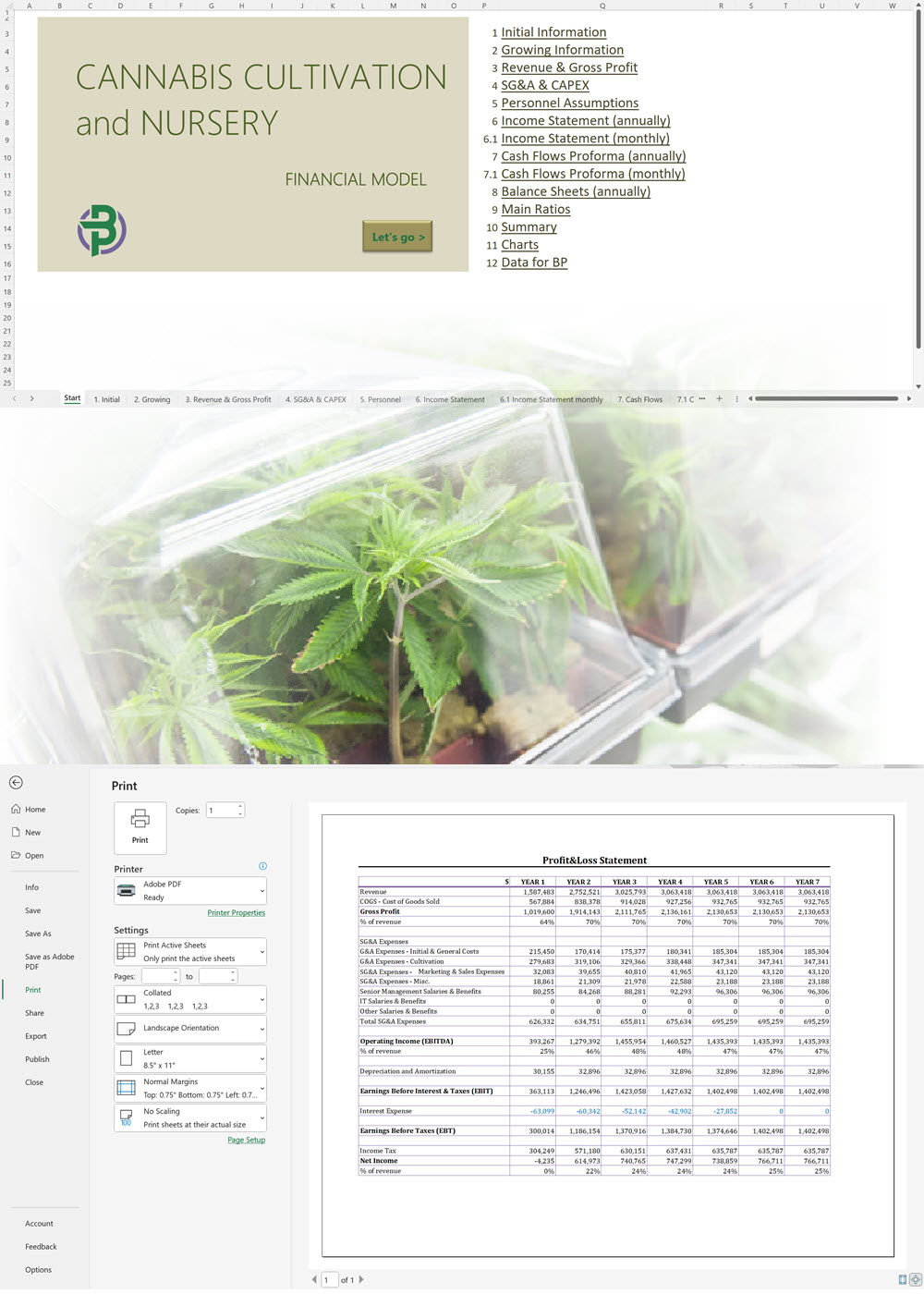
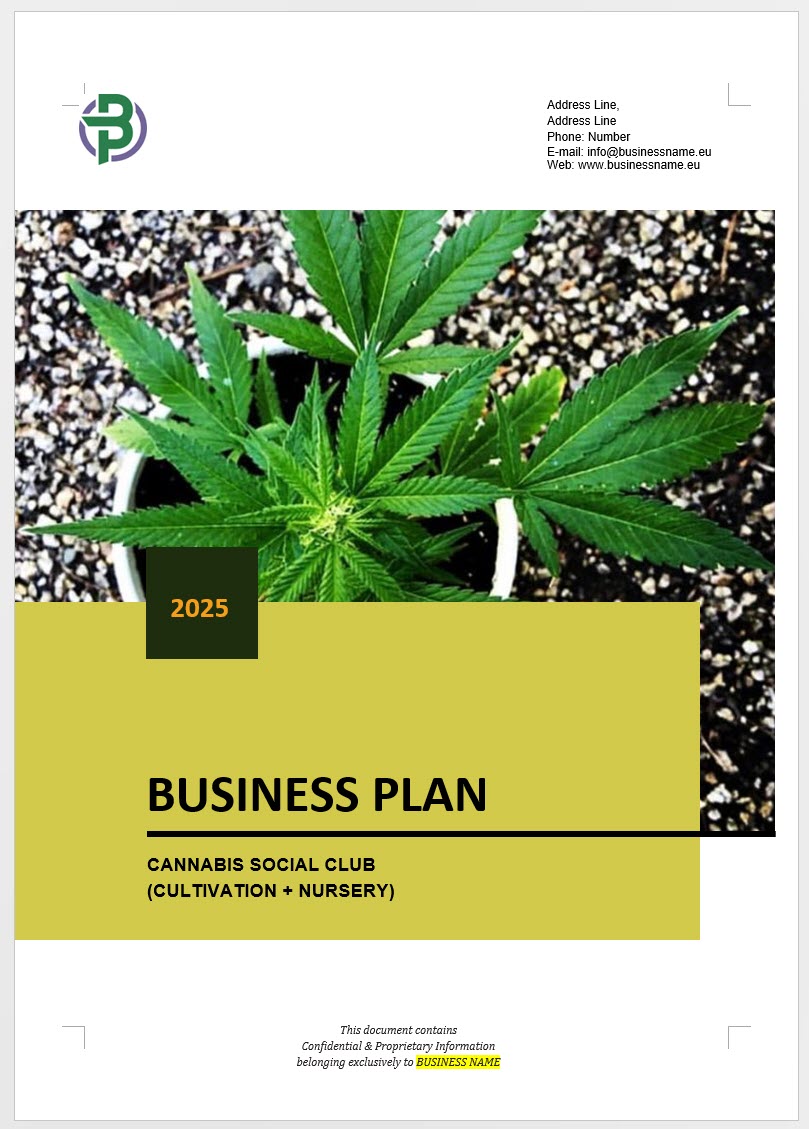
Cannabis Social Club (Cultivation + Nursery) Business Plan Template
Price range: €75 through €350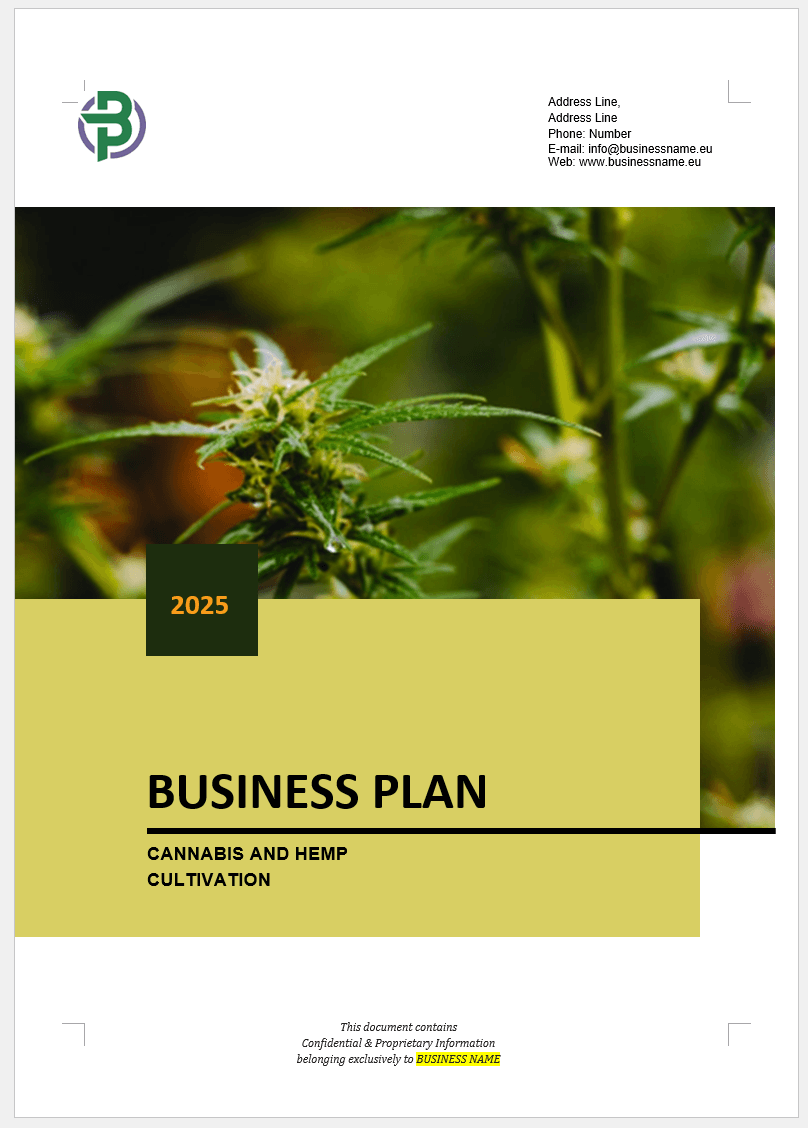
Cannabis and Hemp Cultivation Business Plan Template
Price range: €75 through €350